How a Scuba Regulator Works: First & Second Stage Explained
By DivePlnr Editorial Team | Published April 2026 | Updated April 2026
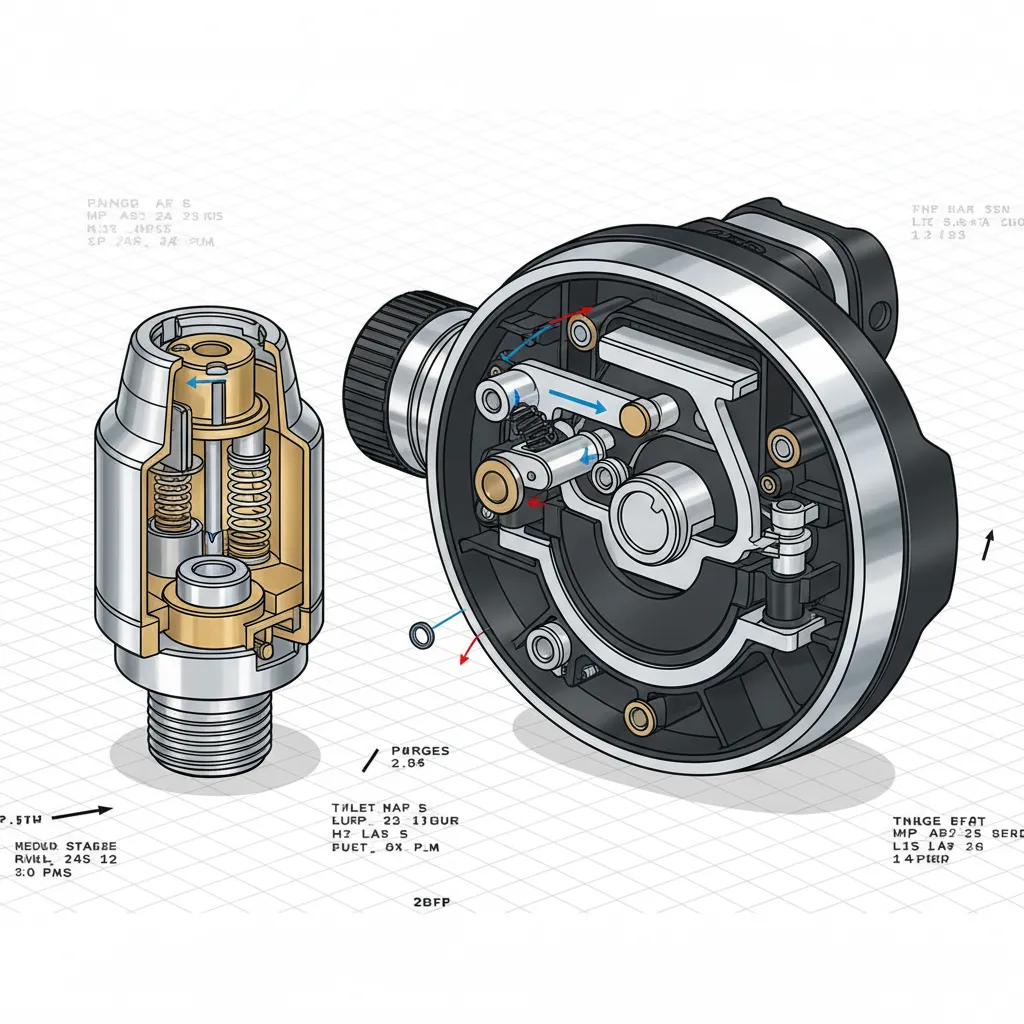
Your regulator is the single most critical piece of scuba equipment - it is the device that keeps you alive underwater by delivering breathing gas at exactly the right pressure, on demand, with every breath you take. A full scuba cylinder holds air at 200-300 bar (3,000-4,500 psi) - pressure that would destroy your lungs if delivered directly. The regulator's job is to reduce this enormous pressure in two stages: first to an intermediate pressure (typically 9-11 bar above ambient), then to ambient pressure at the exact moment you inhale. This two-stage pressure reduction is one of the most elegant engineering solutions in recreational diving, and understanding how it works makes you a better, safer diver. Modern regulators are remarkably reliable - a well-maintained regulator will deliver thousands of dives without failure. But they are mechanical devices operating in a hostile salt-water environment under significant pressure differentials, which is why understanding their construction, maintenance needs, and failure modes matters. Whether you are buying your first regulator or choosing between a cold-water piston and a warm-water diaphragm model, this guide covers everything you need to make an informed decision.
The First Stage
The first stage attaches directly to your cylinder valve and performs the initial pressure reduction - from cylinder pressure (200-300 bar) down to intermediate pressure (typically 9-11 bar over ambient). This intermediate pressure is fed through hoses to your second stage, octopus, BCD inflator, and drysuit (if used).
DIN vs Yoke (A-Clamp)
Two connection systems exist. Yoke (also called A-clamp or INT) fits over the cylinder valve and is secured by a hand-tightened screw. It is the most common system worldwide, simple to use, and standard on most rental equipment. DIN (Deutsche Industrie-Norm) screws directly into the cylinder valve with a threaded connection. DIN is inherently more secure - the O-ring is captive and protected - and is rated to higher pressures (300 bar vs 232 bar for yoke). DIN is standard in Europe, required for technical diving, and increasingly popular with serious recreational divers. Convertible first stages with removable DIN inserts offer the flexibility of both systems.
Piston vs Diaphragm
Inside the first stage, two fundamentally different mechanisms control the pressure reduction. Piston first stages use a spring-loaded piston that opens and closes to admit high-pressure air. They are mechanically simpler, have fewer parts, deliver high air flow rates, and are typically less expensive to service. However, the piston contacts the surrounding water, making them more susceptible to contamination and freezing. Diaphragm first stages use a flexible diaphragm to separate the mechanism from the water. A spring pushes against the diaphragm, which in turn actuates a valve via a push rod. Diaphragm models are environmentally sealed from the water, making them superior for cold water (below 10°C), silty environments, and salt water exposure. The trade-off is slightly more complex construction and higher service costs.
Balanced vs Unbalanced
An unbalanced first stage allows cylinder pressure to influence intermediate pressure - as your tank empties, breathing resistance increases slightly. A balanced first stage uses a design that compensates for decreasing cylinder pressure, delivering consistent intermediate pressure (and therefore consistent breathing effort) from a full cylinder down to reserve. For recreational diving, balanced first stages are standard on mid-range and above models. Unbalanced models are found on budget regulators and function adequately for shallow, warm-water diving.
The Second Stage
The second stage is the part you put in your mouth. It takes the intermediate pressure gas from the first stage and reduces it to ambient pressure, delivering air only when you inhale. When you breathe in, the slight negative pressure deflects a diaphragm, which presses a lever that opens a demand valve. Gas flows until you stop inhaling and the diaphragm returns to its rest position, closing the valve. Exhaled air exits through a one-way exhaust valve (the mushroom valve) - this is what creates your bubbles.
Quality second stages include features like venturi assist (a switch or vane that uses the incoming airflow to help draw more air in, reducing breathing effort) and adjustable cracking pressure (how hard you need to inhale to trigger airflow). At depth, where the gas is denser and breathing effort increases, these features make a meaningful difference in comfort. A good second stage feels like breathing through a wide-open pipe; a poor one feels like sucking air through a straw, especially at depth or under exertion.
Octopus and Alternate Air Sources
The octopus is a secondary second stage, typically bright yellow, designated for emergency air sharing with an out-of-air buddy. It connects to a dedicated low-pressure port on the first stage. Octopus regulators should be secured in the triangle between your chin and the bottom of your ribcage for quick access. Alternatives include integrated inflator/regulator combos (Air 2 style) that combine BCD inflation with an alternate air source, though these require the donor to switch to the alternate and give their primary to the receiver.
Maintenance
After every dive day, rinse your regulator thoroughly in fresh water with the dust cap firmly in place over the first stage inlet - water entering the first stage can cause corrosion and contamination. Avoid pressing the purge button during rinsing, as this opens the second stage valve and can allow water to travel back up the hose to the first stage. Annual professional servicing is essential: technicians replace O-rings, inspect valve seats, check intermediate pressure, and replace any worn components. A well-maintained regulator has an effectively unlimited service life - many divers use the same first stage for 20+ years with regular servicing.
Cold Water Considerations
In water below 10°C (50°F), regulators are at risk of free-flow caused by ice formation. As high-pressure gas expands in the first stage, it cools dramatically (the Joule-Thomson effect), potentially freezing moisture in the mechanism and locking the valve open. Environmentally sealed diaphragm first stages are strongly recommended for cold water. Some manufacturers offer dedicated cold-water models with additional thermal insulation, anti-freeze coatings, and heat exchangers. In cold water, avoid breathing from your octopus unnecessarily (two second stages increase freeze risk) and never press the purge button on the surface in freezing conditions.
Key Takeaways
- 1Regulators reduce cylinder pressure (200-300 bar) in two stages: first stage to intermediate pressure (~10 bar over ambient), then second stage to ambient on demand
- 2DIN connections are more secure and rated for higher pressures than yoke - preferred for serious diving and mandatory for technical diving
- 3Diaphragm first stages are environmentally sealed and superior for cold water; piston models offer simplicity and high flow rates for warm water
- 4Balanced first stages deliver consistent breathing effort regardless of tank pressure - unbalanced models increase resistance as the tank empties
- 5Annual professional servicing is essential - replace O-rings, check intermediate pressure, and inspect all valve seats and components
- 6In cold water (below 10°C), use an environmentally sealed first stage to prevent ice-induced free-flow
Frequently Asked Questions
How often should I service my regulator?
Annually or every 100-200 dives, whichever comes first. Even if unused, O-rings degrade over time and should be replaced yearly. Some manufacturers void warranties if service intervals are missed. Always service before a dive trip after prolonged storage.
Should I buy DIN or yoke?
If you dive primarily in tropical resort destinations, yoke is more universally available. If you dive in Europe, plan to do technical diving, or want the most secure connection, choose DIN. A convertible first stage with a removable DIN insert gives you both options for maximum flexibility.
What should I do if my regulator free-flows?
A free-flowing regulator delivers continuous air rather than on demand. You can still breathe from it - hold it loosely against your lips (do not seal your mouth around it) and sip the air you need while allowing excess to escape. Begin a controlled ascent. In cold water, switch to your octopus if the free-flow is caused by icing, though be aware the octopus may also freeze. End the dive.
How much does a good regulator cost?
Budget regulators suitable for warm-water recreational diving start around $250-400. Mid-range balanced regulators covering most diving scenarios run $400-700. High-end cold-water or technical regulators cost $700-1,200+. Include annual servicing costs of $80-150 in your budget. A quality regulator, well maintained, can last decades.