How to Get Scuba Certified: PADI, SSI & NAUI Compared
By DivePlnr Editorial Team | Published March 2026 | Updated March 2026
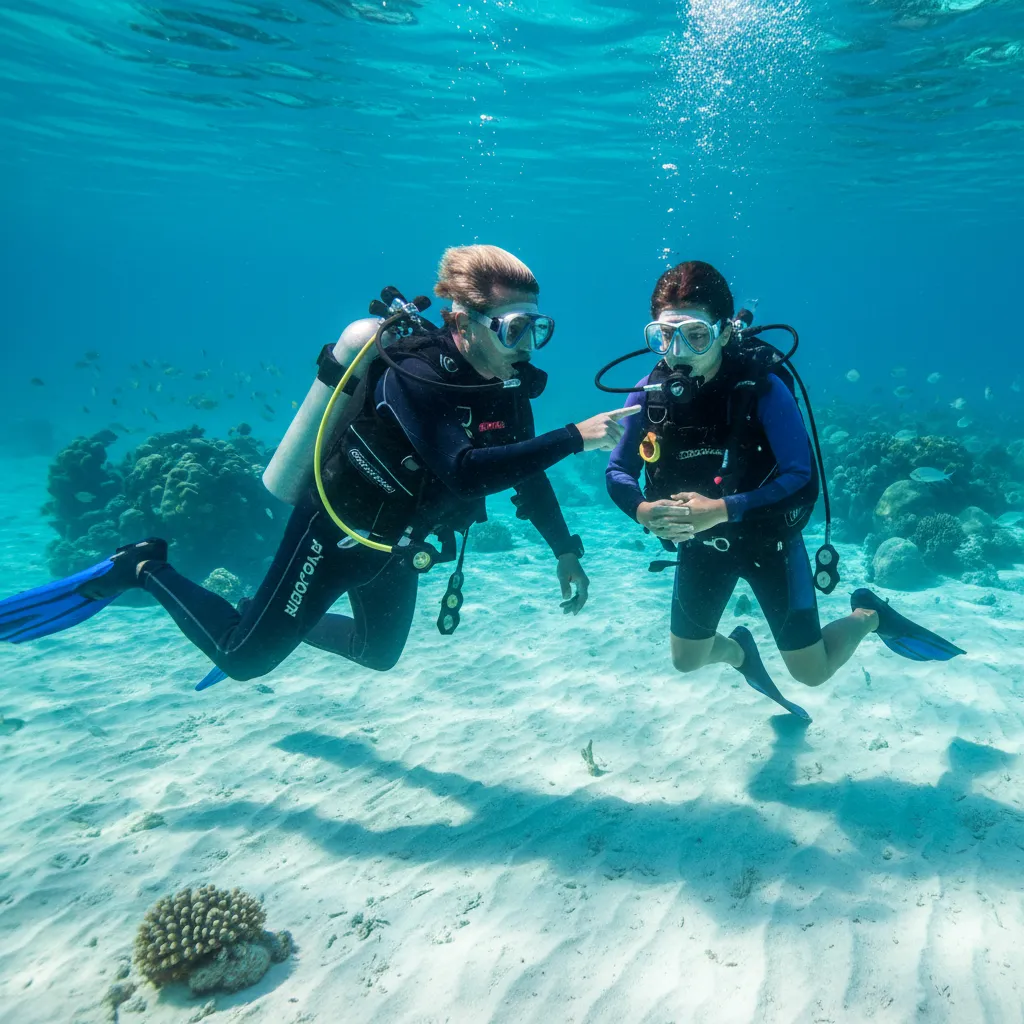
Getting scuba certified is the gateway to a lifetime of underwater exploration. The certification process - often called getting your C-card - involves learning diving theory, practising skills in confined water (a pool or sheltered shallow area), and completing open water dives under instructor supervision. Several international training agencies offer certification programmes, with PADI (Professional Association of Diving Instructors) being the largest, certifying over one million divers annually across 186 countries. SSI (Scuba Schools International) is the second-largest agency with a strong presence in resort destinations. NAUI (National Association of Underwater Instructors) is one of the oldest agencies, founded in 1960, known for its instructor-focused approach that allows more flexibility in training delivery. Other notable agencies include CMAS, SDI/TDI, and BSAC. All reputable agencies teach the same core principles and produce competent divers - your choice often comes down to which agency your local dive shop or resort is affiliated with. Certifications from any recognised agency are accepted worldwide, so you will never be turned away from a dive operation because you hold one card over another.
Choosing a Certification Agency
PADI - Professional Association of Diving Instructors
PADI is the world's largest diver training organisation, responsible for issuing over 28 million certifications since its founding in 1966. PADI courses follow a standardised curriculum with detailed instructor guides, student manuals, and video materials. The eLearning platform allows students to complete theory online before arriving for practical sessions. PADI's strength is consistency - you can expect a similar experience at any PADI centre worldwide. The PADI Open Water Diver course includes five knowledge development sections, five confined water dives, and four open water dives.
SSI - Scuba Schools International
SSI operates through a network of affiliated dive centres and resorts. SSI's digital learning platform is free to access, and the agency places strong emphasis on its training centre partnerships. SSI courses have similar content to PADI but with some structural differences - the Open Water Diver course includes six pool sessions and four open water dives. SSI also offers a unique recognition system that awards ratings based on logged dives and completed specialties, rewarding continuing education.
NAUI - National Association of Underwater Instructors
NAUI takes a more flexible, instructor-centred approach. Rather than prescribing exact lesson plans, NAUI provides learning objectives and allows instructors to determine how best to achieve them. This can result in more personalised training but less standardisation across locations. NAUI is particularly popular among diving professionals and military dive programmes. NAUI courses may include more pool time and additional skill requirements compared to PADI or SSI.
The Open Water Certification Process
Step 1: Theory and Knowledge Development
You will learn the physics and physiology of diving, equipment function, dive planning, underwater communication, and emergency procedures. This can be completed through eLearning (8-12 hours at your own pace), classroom sessions (typically two days), or a combination. You will complete knowledge reviews, quizzes, and a final exam.
Step 2: Confined Water Training
In a swimming pool or sheltered shallow water, you will practise essential skills under direct instructor supervision. These include regulator recovery and clearing, mask clearing and removal, buoyancy control, buddy breathing, controlled emergency swimming ascent, and equipment assembly. Expect 4-6 sessions lasting 2-3 hours each.
Step 3: Open Water Dives
The culmination of your training is four open water dives (sometimes more, depending on the agency) in actual diving conditions - ocean, lake, quarry, or river. These dives allow you to demonstrate the skills learned in confined water in a real-world environment. Dives are conducted over two days minimum, progressing from shallow (8-12 metres) to the maximum depth for your certification (18 metres for open water).
Course Costs and Duration
Expect to invest 3-5 days for a full open water course. Costs range from $300-600 USD in most markets, though tropical resort destinations may charge more for the convenience factor. This typically includes instruction, equipment rental, boat fees, certification processing, and learning materials. Some shops charge separately for materials or boat fees, so clarify what is included before enrolling.
After Your Open Water Certification
Your open water certification never expires and is recognised globally. The natural next step is the Advanced Open Water course, which introduces you to deep diving, navigation, and three specialty dives of your choice. From there, the Rescue Diver course teaches you to manage diving emergencies. Many divers also pursue specialty certifications in areas such as wreck diving, night diving, nitrox, and underwater photography.
Key Takeaways
- 1PADI, SSI, and NAUI all produce competent divers - certifications are accepted worldwide regardless of agency
- 2The open water course involves theory, confined water skills, and four open water dives over 3-5 days
- 3PADI offers the most standardised experience; SSI provides free digital materials; NAUI allows more instructor flexibility
- 4Course costs typically range from $300-600 USD including instruction and equipment rental
- 5Your certification card never expires and is valid at any dive operation globally
- 6After open water, pursue Advanced Open Water, Rescue Diver, and specialty courses to expand your skills
Frequently Asked Questions
Which scuba certification is best - PADI, SSI, or NAUI?
There is no single 'best' agency. PADI offers the widest global network and most standardised training. SSI provides free online learning materials and a strong resort presence. NAUI allows instructors more flexibility in teaching methods. All produce safe, competent divers. Choose based on which agency your preferred dive shop or destination uses.
How long does it take to get scuba certified?
A typical open water course takes 3-5 days of active training. If you complete the theory portion online before your practical sessions, you can finish in 3-4 days. Some holiday courses spread sessions over a week. The key factor is not rushing - ensure you are comfortable with each skill before progressing.
Can I get certified on holiday?
Absolutely - many divers earn their certification at tropical resort destinations. You can complete the theory online at home, then do confined and open water dives during your trip. Allow at least 3-4 days of your holiday for practical training. Popular certification destinations include Thailand, Egypt, Honduras, Australia, and the Caribbean.
Do scuba certifications expire?
No, scuba certifications do not expire. However, if you have not dived for an extended period (12 months or more), most dive operations will require or strongly recommend a Scuba Review or ReActivate refresher course before diving. This is a half-day programme that reviews theory and practises skills in confined water.