Cave & Cavern Diving: Training & Prerequisites
By DivePlnr Editorial Team | Published March 2026 | Updated March 2026
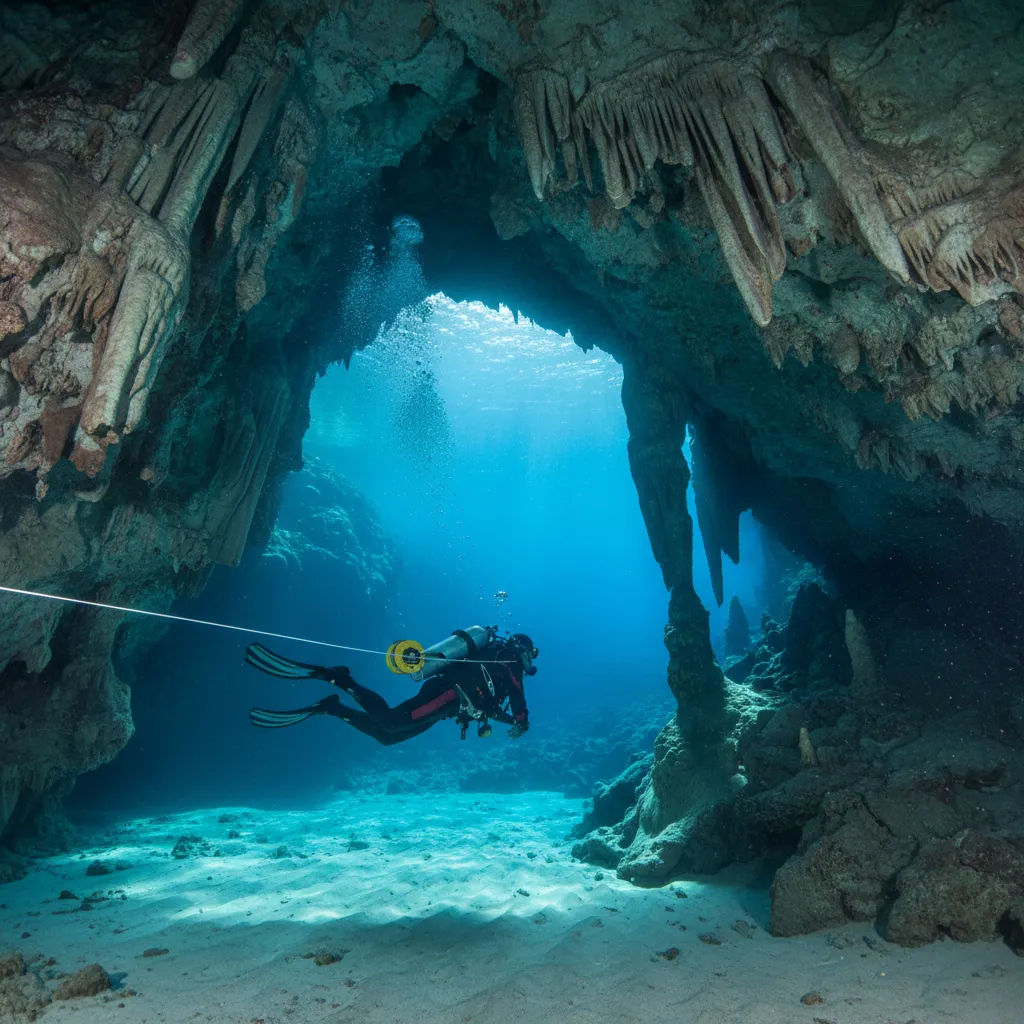
Overhead environment diving - caves, caverns, ice, and wreck interiors - is among the most demanding and rewarding forms of diving. The defining characteristic is simple and unforgiving: you cannot ascend directly to the surface. A physical ceiling separates you from breathable air, and the only way out is the way you came in (or a known alternate exit). This fundamental constraint changes everything about dive planning, equipment, skills, and psychology. Cave diving, in particular, has been described as the most dangerous sport in the world - but this reputation was earned in the era before standardised training, when untrained divers entered caves with inadequate equipment and died in alarming numbers. Today, properly trained cave divers using proven procedures and equipment configurations explore vast underwater cave systems with remarkable safety records. The beauty of these environments is extraordinary: crystal-clear water with visibility exceeding 100 metres, ancient geological formations (stalactites, stalagmites, flowstone), haloclines and hydrogen sulfide layers that create otherworldly visual effects, and fossils embedded in limestone walls. Cave diving is also critically important for science - underwater caves contain unique ecosystems, paleoclimate records, and archaeological treasures. This article outlines the training pathway and prerequisites for safely entering overhead environments.
The Training Pathway
Cavern Diver
The cavern zone is defined as the area within natural daylight penetration, typically within 60 metres (200 feet) of an exit, where the exit is visible at all times. Cavern diving courses introduce overhead environment procedures: guideline use, communication, propulsion techniques, gas management (rule of thirds), equipment configuration, and emergency procedures including light failure and lost line drills. This course is the entry point and provides a taste of overhead diving without the full commitment of cave penetration.
Intro to Cave (Cave 1)
This course permits simple penetration beyond the cavern zone, following a single continuous guideline from the entrance. No complex navigation (jumps, gaps, or circuits) is allowed. Training focuses on refined guideline skills, gas planning for longer penetrations, stress management in zero-visibility conditions, and emergency procedures including lost-line search patterns and air-sharing exits.
Full Cave (Cave 2)
Full cave certification permits complex navigation: jumps between mainline and side passages, traverses (entering one entrance and exiting another), and circuit dives. This course demands mastery of all skills from previous levels plus advanced navigation planning, complex gas management with stage cylinders, team protocols, and the ability to manage multiple failures simultaneously. Full cave certification represents the completion of foundational cave training - it is not an endpoint but a license to begin gaining experience.
Essential Equipment
Overhead environment diving requires specific equipment: primary and backup lights (minimum three independent light sources), a primary reel for laying guideline, safety reels for lost-line procedures, line arrows and cookies (non-directional markers) for navigation, a complete redundant gas supply (sidemount or twinset), and a streamlined configuration with nothing dangling. Equipment must be configured identically within the team - standardisation enables effective assistance in emergencies.
The Five Rules of Accident Analysis
Analysis of cave diving fatalities identified five rules that, if followed, prevent virtually all cave diving deaths: (1) Always use a continuous guideline to the exit. (2) Maintain adequate gas reserves (rule of thirds minimum). (3) Carry at least three lights. (4) Stay within your training and certification limits. (5) Stay within your depth limits for the gas you are breathing. Every documented cave diving fatality has involved the violation of at least one of these rules - most involve multiple violations.
Key Takeaways
- 1Overhead environment = no direct access to the surface - the only way out is the way in
- 2Training follows a strict progression: Cavern → Intro to Cave → Full Cave
- 3The five rules of cave diving prevent virtually all fatalities when followed
- 4Minimum three independent light sources - losing all light in a cave is a life-threatening emergency
- 5Rule of thirds gas planning: one-third in, one-third out, one-third reserve
- 6Full cave certification is the beginning of experience, not the end of training
Frequently Asked Questions
Can I enter a cave or cavern with just an Open Water certification?
No. Entering an overhead environment without specific training is extremely dangerous and is the leading cause of cave diving fatalities. Even cavern diving (within daylight zone) requires a Cavern Diver certification. Cave diving demands additional Cave 1 and Cave 2 certifications. There are no shortcuts - the training exists because people died when they entered caves without it.
Where are the best cave diving destinations?
Florida's spring systems (Ginnie Springs, Peacock Springs, Devil's Den) are the birthplace of modern cave diving training. Mexico's Yucatan Peninsula contains the world's longest underwater cave systems (Sac Actun, Ox Bel Ha) - over 370km of explored passage. Other notable destinations include the Dordogne in France, Nullarbor Plain in Australia, and the caves of the Bahamas and Dominican Republic.
What is the difference between a cave and a cavern?
In diving terminology, the cavern zone is the area within natural daylight penetration, where the exit remains visible. The cave zone begins where daylight can no longer be seen and extends into the fully dark interior. Cavern diving requires less training and equipment than cave diving, but both are overhead environments with no direct surface access.
How dangerous is cave diving?
For properly trained divers using correct procedures and equipment, cave diving has a strong safety record. The high fatality statistics are overwhelmingly driven by untrained divers entering caves. Analysis consistently shows that trained cave divers who follow the five rules of accident analysis have a very low incident rate. The danger is real but manageable through training, discipline, and experience.