10 Essential Scuba Safety Rules
By DivePlnr Editorial Team | Published March 2026 | Updated March 2026
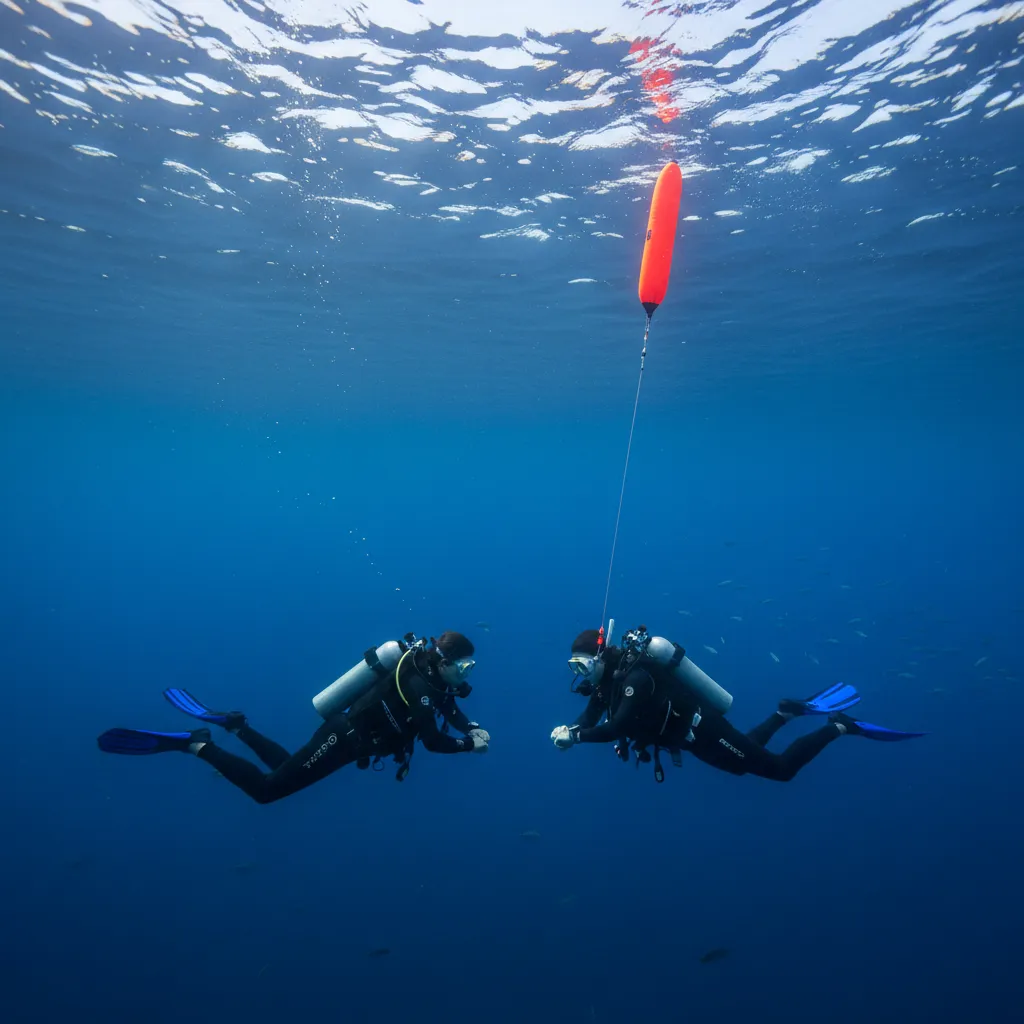
Scuba diving is a remarkably safe activity when conducted properly, but it takes place in an environment that is inherently unforgiving of carelessness. The safety rules that govern recreational diving are not arbitrary restrictions - they are lessons learned from decades of incident analysis, medical research, and practical experience. Divers Alert Network (DAN), the leading dive safety organisation, analyses thousands of incidents annually and consistently finds that the vast majority of diving accidents are preventable and result from violations of basic safety principles rather than equipment failure or unforeseeable circumstances. The ten rules outlined here represent the bedrock of safe diving practice. They are taught during entry-level certification and reinforced at every subsequent training level. Experienced divers do not outgrow these rules - they internalise them until they become automatic. A diver with 5,000 dives follows the same fundamental safety principles as a diver on their tenth dive. The only difference is that experience makes adherence effortless rather than effortful. These rules protect not only you but your buddy, your dive team, and the rescue services that respond when things go wrong. Treat them with the respect they deserve, and diving will reward you with a lifetime of extraordinary experiences.
Rule 1: Never Hold Your Breath
This is the single most important rule in scuba diving. As you ascend, the air in your lungs expands according to Boyle's Law. If you hold your breath during ascent, expanding air can rupture the lung tissue (pulmonary barotrauma), allowing air bubbles to enter the bloodstream (arterial gas embolism) - a life-threatening emergency. Breathe continuously, normally, and never skip a breath. This rule applies even when ascending just a metre or two.
Rule 2: Ascend Slowly
A slow ascent rate - no faster than 9-18 metres per minute depending on the training agency - allows dissolved nitrogen to off-gas gradually through the lungs rather than forming bubbles in the tissues and bloodstream. Rapid ascents dramatically increase the risk of decompression sickness (DCS). Your dive computer monitors ascent rate and will alarm if you ascend too fast. Always perform a safety stop at 5 metres for 3 minutes.
Rule 3: Never Dive Alone
The buddy system is a cornerstone of recreational dive safety. Your buddy is your backup life support system - providing an alternate air source if you run out, assisting with equipment problems, and summoning help in an emergency. Always dive with a trained buddy, maintain visual or physical contact throughout the dive, and agree on communication signals and emergency procedures before entering the water.
Rule 4: Check Your Equipment Before Every Dive
The pre-dive safety check (BWRAF: BCD, Weights, Releases, Air, Final check) ensures all equipment is functioning correctly before you enter the water. Check your own equipment and your buddy's. Verify the tank valve is fully open, regulators are delivering air, the BCD inflates and deflates, and weight systems release properly. Equipment failure that could have been detected on the surface is inexcusable underwater.
Rule 5: Stay Within Your Training Limits
Your certification level defines the conditions and depths for which you are trained. Open Water divers are trained for 18 metres maximum in conditions similar to their training environment. Penetrating wrecks, entering caves, diving below 40 metres, or using gas mixtures requires specific additional training. Exceeding your training is a leading cause of serious diving incidents.
Rule 6: Monitor Your Air Supply
Check your pressure gauge frequently - at least every 5 minutes - and communicate air status with your buddy. Plan your turn pressure (the point at which you start heading back) and your reserve pressure (minimum air to surface with, typically 50 bar / 700 psi). Running out of air is entirely preventable with proper monitoring.
Rule 7: Maintain Physical Fitness
Diving places demands on the cardiovascular and respiratory systems. Obesity, poor cardiovascular fitness, dehydration, and fatigue all increase the risk of decompression sickness and reduce your ability to handle emergencies. Stay hydrated, avoid alcohol before diving, get adequate rest, and maintain a reasonable level of fitness. Complete a diving medical questionnaire honestly and get medical clearance when indicated.
Rule 8: Respect the Environment
Do not touch, stand on, or collect marine life or coral. Beyond the ecological damage, many marine organisms are dangerous - fire coral causes painful stings, stonefish spines deliver excruciating venom, and blue-ringed octopus bites can be fatal. Maintain neutral buoyancy to avoid contact with the reef. Streamline your equipment to prevent dangling hoses and gauges from dragging across coral.
Rule 9: Know Your Emergency Procedures
Rehearse emergency procedures regularly: controlled emergency swimming ascent, alternate air source use, buddy separation protocol, and surface distress signals. Know the location of the nearest recompression chamber and have DAN or equivalent dive insurance. Carry a surface marker buoy and whistle on every dive. Hope for the best, prepare for the worst.
Rule 10: When in Doubt, Don't Dive
If conditions exceed your comfort level, if you feel unwell, if your equipment is not functioning perfectly, or if something simply does not feel right - call the dive. No dive is worth risking your life. The ocean will always be there tomorrow. Experienced divers call dives frequently and without embarrassment. It is a sign of maturity, not weakness.
Key Takeaways
- 1Never hold your breath - the most important rule in scuba diving to prevent lung overexpansion
- 2Ascend slowly (9-18m/min) and always perform a safety stop at 5m for 3 minutes
- 3Always dive with a buddy - they are your backup life support system
- 4Check all equipment before every dive using the BWRAF pre-dive safety check
- 5Stay within your certification and training limits - never exceed your competence
- 6When in doubt, call the dive - no dive is worth risking your life
Frequently Asked Questions
What is the most common cause of scuba diving accidents?
According to DAN incident reports, the most common contributing factors are insufficient gas management (running low or out of air), rapid ascents, pre-existing medical conditions, and diving beyond training limits. Equipment failure is a relatively rare cause - most incidents involve human error and are preventable through adherence to basic safety rules.
Do I need dive insurance?
Dive insurance is strongly recommended. DAN (Divers Alert Network) and other providers offer dive accident insurance covering hyperbaric treatment (recompression chamber sessions can cost $10,000-50,000+), evacuation, and medical expenses. Standard travel insurance and many health plans do not cover diving-related injuries or recompression treatment.
What should I do if I feel unwell after a dive?
If you experience symptoms of decompression sickness - joint pain, tingling, numbness, dizziness, difficulty breathing, skin rash, or extreme fatigue - seek medical attention immediately and mention your recent diving activity. Call your local emergency number and DAN's emergency hotline. Breathe 100% oxygen if available. Do not re-enter the water to 'recompress' - this is dangerous and ineffective.
Can I fly after scuba diving?
No - you must wait at least 12 hours after a single no-decompression dive and at least 18-24 hours after repetitive dives or multiple days of diving before flying. The reduced cabin pressure at altitude (equivalent to 1,800-2,400 metres elevation) can cause dissolved nitrogen to form bubbles, leading to decompression sickness. Most agencies and DAN recommend 24 hours as the safest minimum.