Introduction to Technical Diving
By DivePlnr Editorial Team | Published March 2026 | Updated March 2026
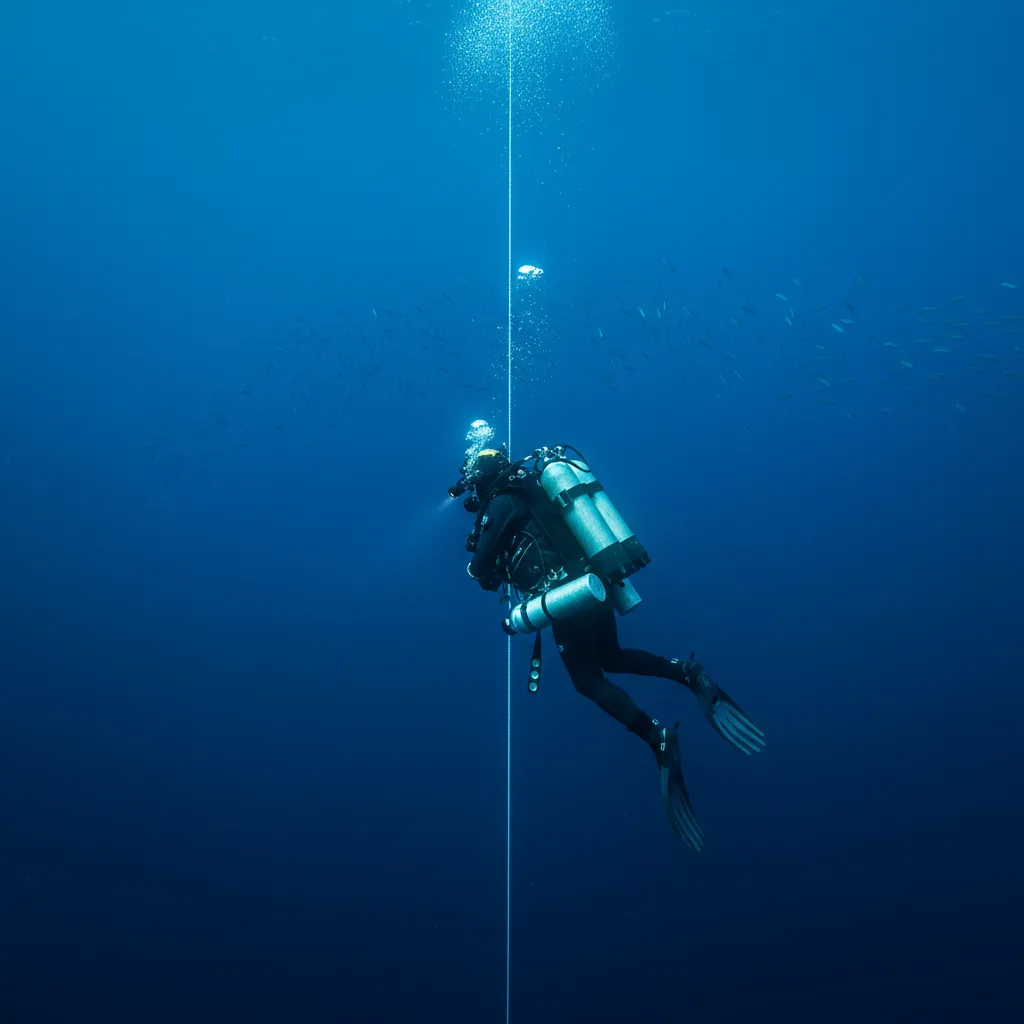
Technical diving begins where recreational diving ends. It encompasses any diving that exceeds recreational limits - depths beyond 40 metres, mandatory decompression stops, penetration into overhead environments, or the use of multiple breathing gases. Technical diving is not simply 'going deeper'; it represents a fundamentally different approach to diving that demands rigorous training, meticulous planning, disciplined execution, and specialised equipment. The rewards are extraordinary: pristine deep reefs untouched by recreational divers, historical wrecks resting in the twilight zone, vast cave systems carved through limestone over millions of years, and the intellectual satisfaction of mastering complex gas physics and decompression theory. Technical diving evolved from the cave diving community in the 1980s and 1990s, with organisations like IANTD, TDI, and GUE formalising training standards. Today, technical diving is a well-established discipline with proven procedures and equipment configurations. However, it demands respect - the margin for error is smaller, the consequences of mistakes are more severe, and self-rescue capability is paramount. This introduction outlines what technical diving involves and how to determine if it is the right path for you.
What Defines Technical Diving?
Technical diving is characterised by one or more of the following: diving beyond the 40-metre recreational limit, planned decompression stops (where the diver cannot ascend directly to the surface), use of multiple gas mixtures during a single dive, penetration into overhead environments (caves, wrecks, mines), or the use of rebreather technology. Any dive where direct access to the surface is compromised - either by depth-induced decompression obligation or physical overhead - is a technical dive.
Training Pathway
Technical diving training typically follows a structured progression. After completing recreational certifications including Advanced Open Water, Rescue Diver, and Nitrox, divers enter technical training with courses such as: Advanced Nitrox (EANx to 100% O2 for decompression), Decompression Procedures (planned deco diving to 45-50m), Extended Range or Trimix (diving beyond 60m using helium-based mixes), and speciality courses for cave, wreck penetration, or rebreather diving. Each level builds on the previous, adding skills and extending operational depth. Most agencies require minimum dive counts and experience between levels.
Equipment Configuration
Technical divers use redundant equipment - typically a backmount twinset (two cylinders manifolded together) with an isolation valve, two independent regulators, and additional stage or decompression cylinders clipped to D-rings on a harness and backplate system. This configuration provides gas redundancy: if one regulator fails, the other supplies gas from the same cylinders; if one cylinder fails, the isolation valve can be closed to preserve gas in the other. Wing-style BCDs, long hoses, backup lights, reels, and surface marker buoys are standard.
Key Differences from Recreational Diving
The mindset shift is as important as the equipment. Technical divers plan extensively: calculating gas requirements, decompression schedules, bailout scenarios, and team protocols before entering the water. The 'rule of thirds' (use one-third of gas going in, one-third coming out, one-third reserve) governs gas planning. Standardised team protocols - matching equipment configurations, agreed communication, and practised emergency procedures - replace the more casual buddy system of recreational diving. Situational awareness, stress management, and self-rescue capability are emphasised throughout training.
Key Takeaways
- 1Technical diving exceeds recreational limits: depth beyond 40m, mandatory deco stops, overhead environments, or multiple gas mixes
- 2Training follows a structured progression: Advanced Nitrox → Deco Procedures → Extended Range/Trimix → Specialties
- 3Equipment redundancy is fundamental - twinsets, dual regulators, backup everything
- 4Gas planning follows the rule of thirds: one-third in, one-third out, one-third reserve
- 5The mindset shift from recreational to technical is as important as the gear
- 6Self-rescue capability is paramount - in overhead or decompression environments, surfacing directly may not be possible
Frequently Asked Questions
How many dives should I have before starting technical diving?
Most training agencies recommend a minimum of 100 logged dives before starting technical training, though 200+ is preferable. More important than the number is the quality - you should be completely comfortable with buoyancy control, navigation, and emergency procedures. If you still think about basic skills during a dive, you are not ready for technical diving.
Is technical diving more dangerous than recreational diving?
Technical diving has inherently higher risks due to decompression obligation, greater depths, overhead environments, and more complex equipment. However, with proper training, meticulous planning, disciplined execution, and appropriate equipment, these risks are managed to acceptable levels. Most technical diving accidents result from human error - poor planning, inadequate training, or exceeding capabilities.
How much does technical diving training cost?
Technical diving is significantly more expensive than recreational diving. A Decompression Procedures course typically costs $500-1,000 USD. Equipment (twinset, harness/backplate, wing, stage cylinders, regulators) can cost $3,000-8,000+. Trimix fills are more expensive than air. Cave and wreck penetration courses add further costs. Budget for a significant ongoing investment.
What is the deepest you can go with technical diving?
Open-circuit trimix diving is commonly practised to depths of 80-100 metres, with extreme dives exceeding 200 metres. However, depth is not the goal - accessing specific environments (deep wrecks, caves, deep reefs) is the purpose. The current open-circuit depth record exceeds 330 metres, but such extreme dives carry enormous risk and are undertaken by a tiny number of highly experienced divers.