Diving in Myanmar
Why dive here
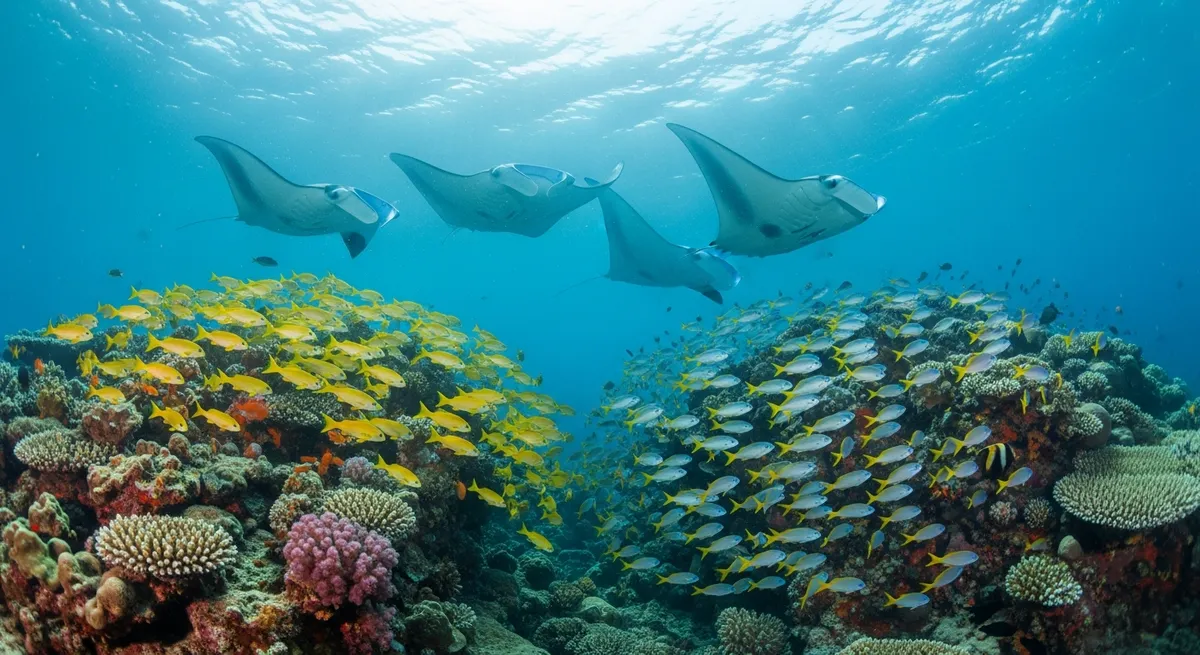
Myanmar offers rich diving, with 164+ marine species recorded in its waters - including blacktip reef sharks, eagle rays, giant moray eels, whale sharks and clownfish. Water ranges 28-31°C, warmest March, April, May.
Myanmar, or Burma, diving feels like stepping back in time, largely because much of the Mergui Archipelago has remained untouched. We’re talking over 800 islands, many still unmapped underwater, creating a genuine sense of exploration you just don't find elsewhere in Southeast Asia anymore. This isn't a quick trip; liveaboards are the way to go, especially if you want to hit the Burma Banks, famed for their schooling Argus grouper and the chance of seeing something really big pass through. Visibility can vary, but when it’s good, the sheer density of some of the fish schools, like fusiliers or bannerfish, can be astounding. We’ve seen Blue Panchax flitting between lettuce corals and honeycomb morays peeking from crevices that likely haven't seen many divers. Go between November and May for the best conditions. It's not for everyone - strong currents are a real possibility on some of the offshore banks - but for divers who truly seek adventure and pristine reefs, Myanmar delivers an experience that’s increasingly rare.
Myanmar Dive Regions Map
Myanmar Dive Regions
3 diving areas in Myanmar
Burma Banks
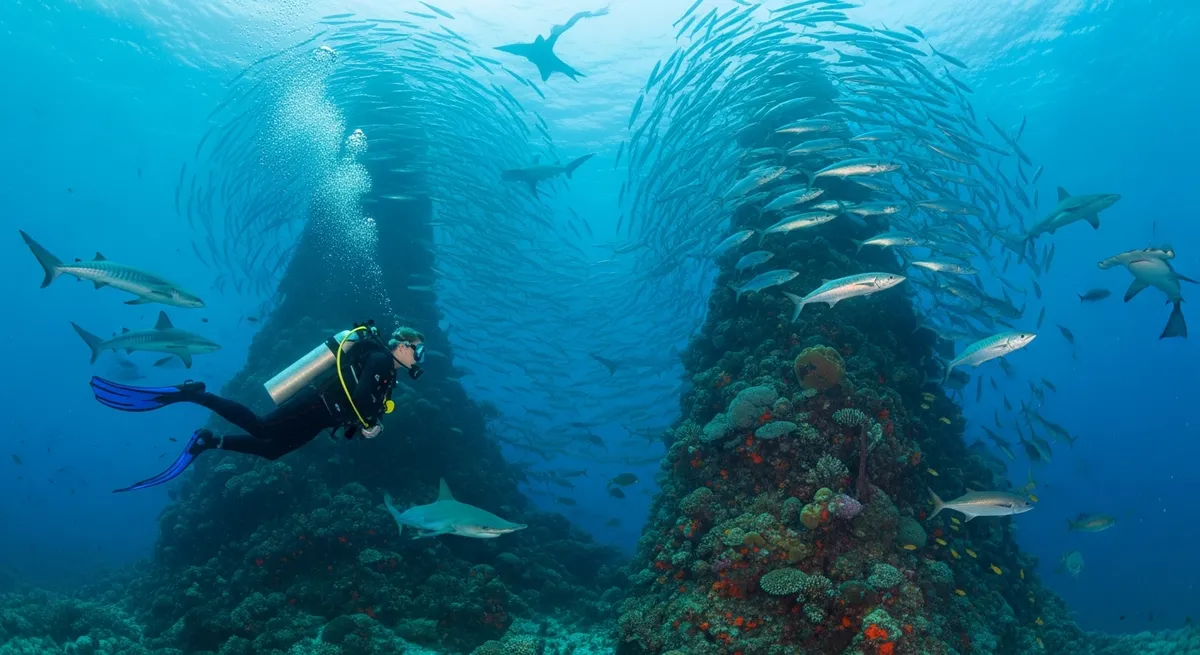
Remote seamounts famous for encounters with nurse sharks, leopard sharks, and massive schools of pelagic fish.
Mergui Archipelago
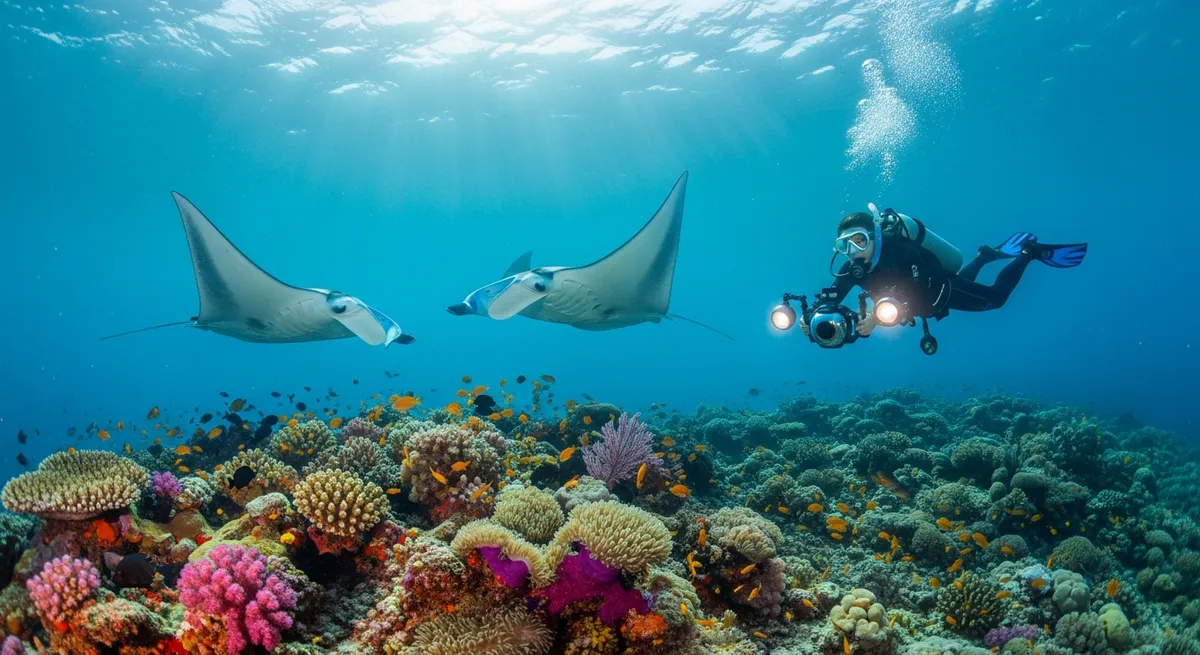
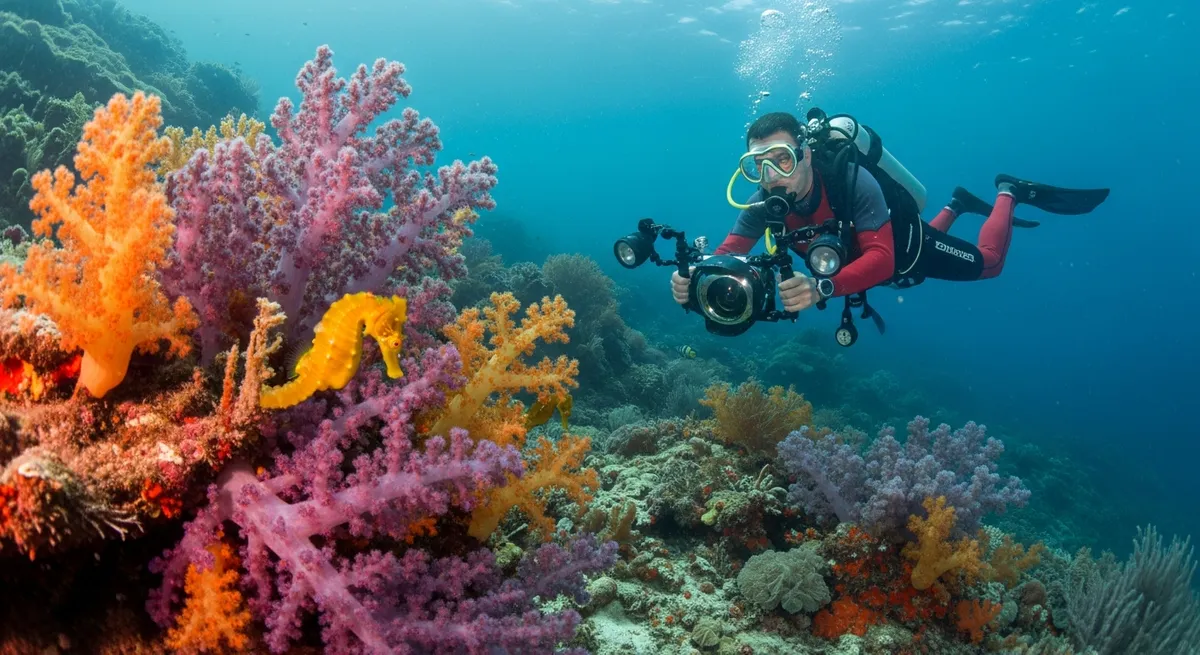
The Mergui Archipelago holds a special place for us. It’s not just the 800-plus islands; it’s the genuine feeling of being somewhere few others have been. We’ve done our share of liveaboards, but here, the dive sites really do feel like discoveries, especially in the further flung areas. Think big granite pinnacles draped in soft corals, creating dramatic landscapes that shelter everything from the tiny, vibrant Striped Triplefin to cruising Blackfin barracuda schools. It's the scale of it all that truly captivates. We've spent dives just watching Falcate Lionfish drift lazily, or spotting Star Blaasop tucked into crevices. The coral here, particularly the large colonies of Wrinkle and Closed brain coral, feels incredibly robust, a testament to the limited human interaction. Current can be present, especially around some of the more exposed pinnacles, but it often brings in the bigger stuff, like the manta rays we’ve been lucky enough to spot during the cooler, drier months. Our pick for a truly immersive experience would be a multi-day liveaboard, allowing you to venture deep into the archipelago and witness these untouched underwater worlds, often with just your boat at the site.
Myeik & Southern Coast
Coastal diving off mainland Myanmar with emerging dive operations. Shallow reefs with whale sharks during seasonal plankton blooms.
Ocean Wildlife in Myanmar
164 species recorded in Myanmar
Myanmar Visa Requirements
Check if you need a visa to dive in Myanmar
Plan & book
Ways to dive Myanmar, from day trips to liveaboards.
Day trips & courses
via GetYourGuideGuided dives, courses and snorkel trips with instant booking.
Find dive trips in MyanmarPlaces to stay
via Booking.comHotels and dive resorts near Myanmar.
Search stays in MyanmarDive insurance
Most travel insurance excludes or limits scuba. Check what you need before you go.
Dive insurance explainedPartner links: we may earn a commission if you book, at no extra cost to you. How we make money