Diving with Nudibranchs
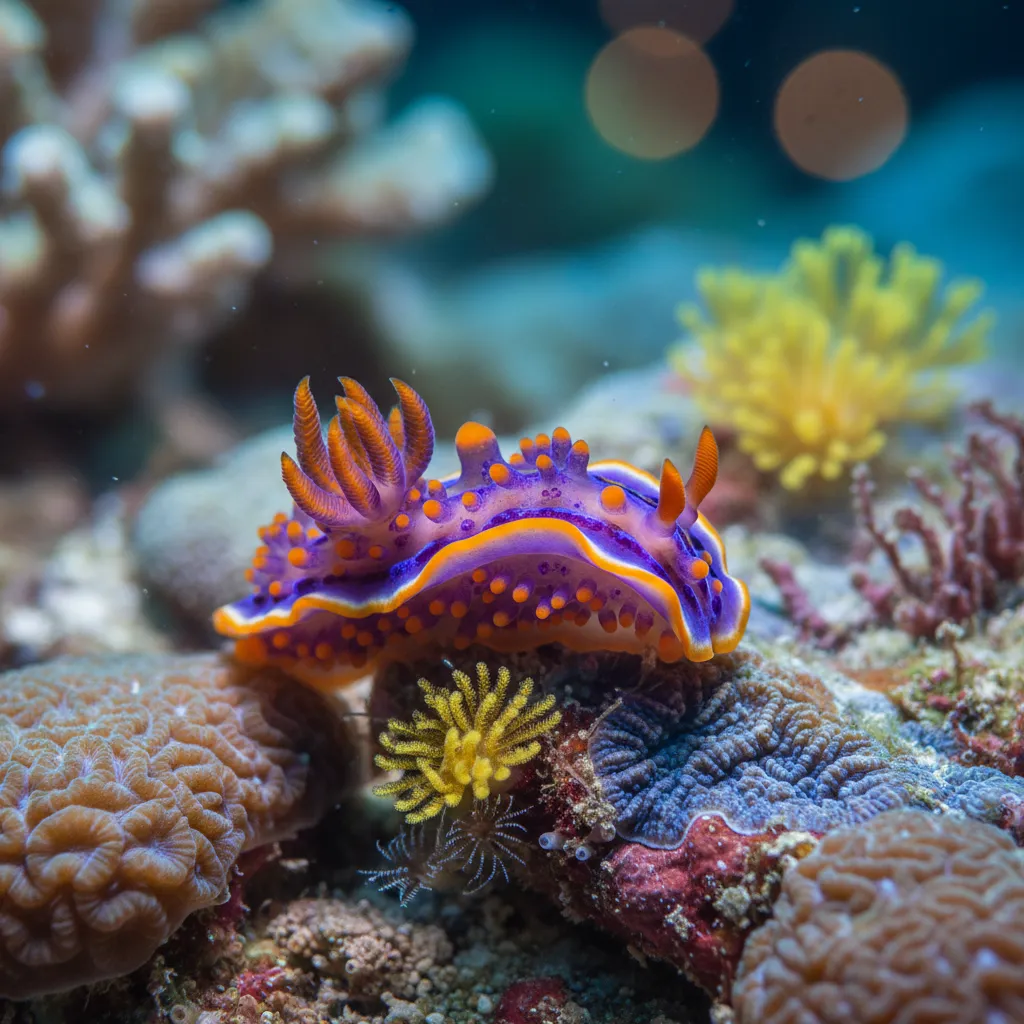
Nudibranchs are the jewels of the sea - shell-less marine gastropods that have traded physical armour for some of the most dazzling colours and patterns in the animal kingdom. With over 3,000 described species and new ones discovered every year, nudibranchs come in every imaginable combination of colour: electric blue, neon orange, vivid purple, stark white, and patterns so intricate they look painted by hand. Their name means 'naked gills', referring to the exposed breathing organs many species wear on their backs like elaborate headdresses. The Spanish dancer (Hexabranchus sanguineus), the largest nudibranch species at up to 60 centimetres, unfurls its crimson mantle and swims through the water column in a breathtaking undulating dance. For macro photographers and patient observers, nudibranchs transform every dive into a treasure hunt - there is always something new, something tiny, something astonishing hiding in plain sight on the reef.
Best Time to See Nudibranchs
Lembeh Strait, Indonesia: year-round, with the best conditions from March to November (calm seas). Anilao, Philippines: November to June offers the best conditions, with peak nudibranch diversity from December to May. California (Monterey, Channel Islands): year-round, with better visibility from August to November. Mediterranean: April to October for the warmest water and best visibility, though nudibranchs are present year-round. Red Sea: year-round, with stable conditions. UK (south coast): May to September for the best conditions and highest nudibranch diversity. Nudibranchs are present at all locations year-round - seasonality primarily affects diving conditions rather than nudibranch activity.
How to Dive with Nudibranchs
Nudibranch hunting is the ultimate slow dive. Forget swimming across the reef - the best nudibranch divers cover tiny areas of substrate with methodical, close-range observation. A good muck dive site can yield 30-50 species in a single dive if you know where to look. Search on sponges, hydroids, tunicates, algae, and soft coral - many nudibranchs are specialists that feed on a single prey species and can only be found on or near that organism. Lembeh Strait in Indonesia is universally regarded as the nudibranch capital of the world, with hundreds of species recorded. Anilao in the Philippines rivals Lembeh for diversity and is more accessible. The California coast, particularly around Monterey and the Channel Islands, has a spectacular cold-water nudibranch fauna. The Mediterranean hosts dozens of species on rocky reefs and Posidonia seagrass beds. The Red Sea has a rich nudibranch community on coral reefs. A knowledgeable local dive guide is invaluable - experienced muck diving guides can spot species you would swim past a hundred times.
Is it Safe to Swim with Nudibranchs?
Nudibranchs are completely harmless to divers. They cannot bite, sting, or injure you in any way. Some species sequester toxins from their prey (such as stinging cells from hydroids) for their own defence, but these are not dangerous to humans through casual contact. The safety considerations in nudibranch diving relate to dive technique. Muck diving involves swimming close to silty bottoms where poor buoyancy can destroy visibility for everyone. Perfect buoyancy control is essential. Avoid touching the bottom, fins included, and use a muck stick for stabilisation only when necessary. On reef dives, be careful not to damage coral while searching for nudibranchs in crevices. Never remove a nudibranch from its substrate for a photograph - this stresses the animal and may kill it.
Conservation Status
Nudibranchs face indirect threats rather than direct exploitation. Habitat degradation is the primary concern: coral reef decline, pollution, ocean acidification, and rising sea temperatures all affect nudibranch populations and their prey species. Because many nudibranchs are dietary specialists, the loss of a single sponge, hydroid, or coral species can eliminate the nudibranch species that depends on it. The aquarium trade harvests some colourful species, but most nudibranchs survive poorly in captivity. Citizen science projects such as iNaturalist and nudibranch-specific databases allow recreational divers to contribute valuable distribution data. By photographing and identifying nudibranchs and uploading observations, divers directly support the scientific understanding of these animals' ranges and population trends.
Recommended Equipment
Macro photography gear is absolutely essential for nudibranchs. A dedicated macro lens - 60mm for larger species or a 100-105mm for tiny specimens - is the tool of choice. Compact cameras with strong macro modes and wet-mount diopter lenses also produce excellent results. A pair of mini strobes or a ring light provides even illumination for small subjects without harsh shadows. A snoot (a light-focusing attachment for a strobe) creates dramatic spotlight effects that make nudibranchs pop against dark backgrounds. A magnifying glass can help with species identification underwater. Dive gear should be streamlined with no dangling accessories that could drag across the substrate. For cold-water nudibranch diving (California, UK), a drysuit or thick wetsuit is necessary. A muck stick or pointer for sand stabilisation is useful on muck dives.
Browse dive equipmentFrequently Asked Questions
Where is the best place to find nudibranchs while diving?
Lembeh Strait in Indonesia is the nudibranch capital of the world, with hundreds of species recorded. Anilao in the Philippines rivals it for diversity. California's Monterey coast, the Mediterranean, and the Red Sea also offer excellent nudibranch diversity. A knowledgeable local guide makes an enormous difference.
How many species of nudibranch are there?
Over 3,000 nudibranch species have been scientifically described, and new species are discovered every year. Some estimates suggest the true number may exceed 5,000. They are found in all oceans, from tropical coral reefs to polar seas, and from the intertidal zone to deep water.
What is the largest nudibranch?
The Spanish dancer (Hexabranchus sanguineus) is the largest nudibranch species, reaching up to 60 centimetres in length. It is named for its swimming behaviour - when disturbed, it launches off the reef and undulates through the water like a flamenco dancer's skirt. It is most commonly seen on night dives in the Indo-Pacific and Red Sea.
What camera equipment do you need for nudibranch photography?
A macro lens (60mm or 100-105mm) is ideal. Compact cameras with macro modes and wet-mount diopters also work well. Small strobes provide essential lighting, and a snoot attachment creates dramatic spotlight effects. A magnifying glass helps with identification of tiny species underwater.
Are nudibranchs poisonous?
Many nudibranch species are toxic or distasteful to predators - their bright colours serve as warning signals (aposematism). Some aeolid nudibranchs can sequester stinging cells from their hydroid prey and deploy them in their own cerata for defence. However, they pose no danger to humans through normal observation.