Diving in Turks & Caicos
Why dive here
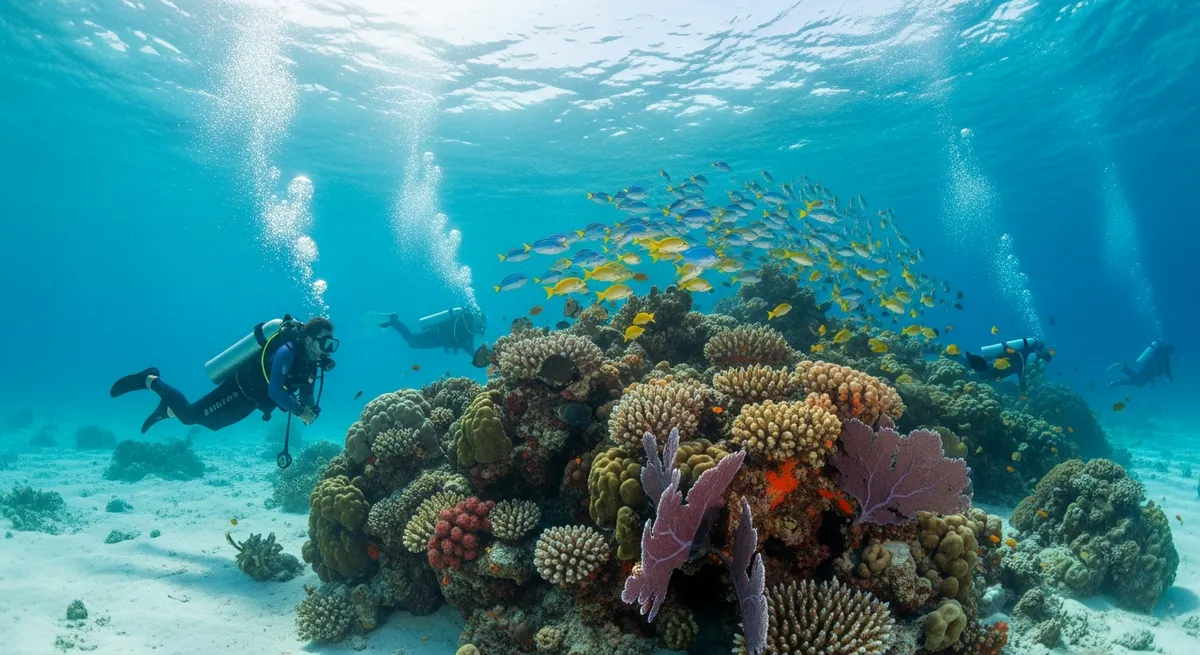
Turks & Caicos offers rich diving, with 127+ marine species recorded in its waters - including barracuda, humpback whales, sea turtles, sperm whales and pufferfish. Water sits around 26°C.
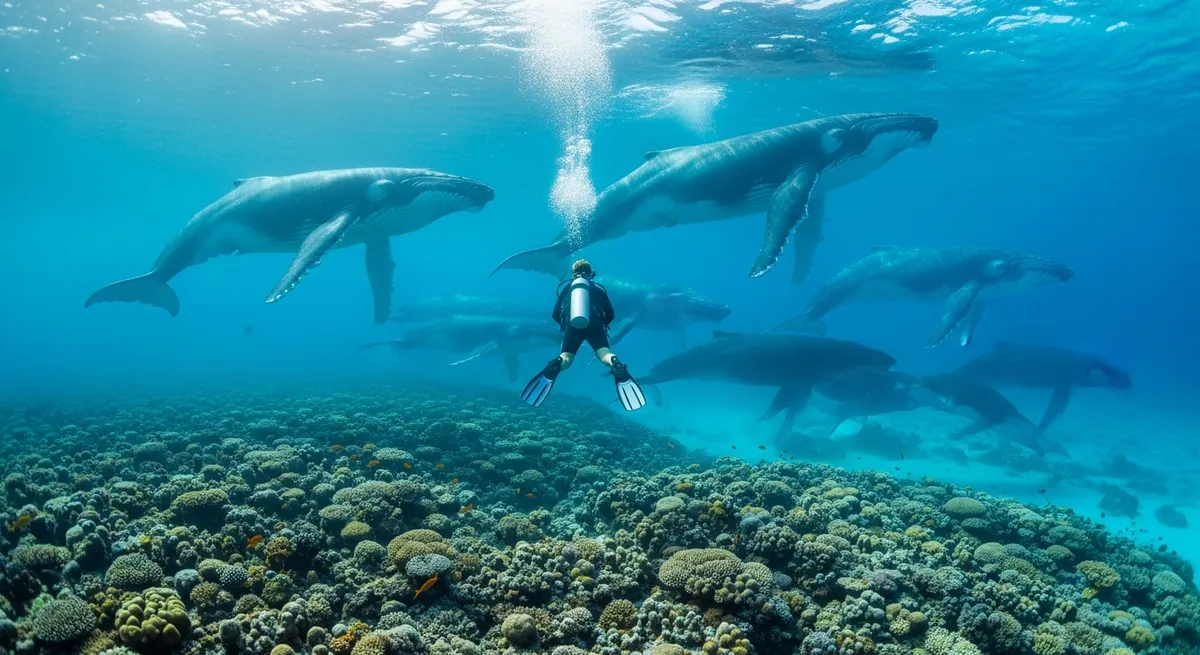
Turks & Caicos diving is all about the wall, really. The islands sit on the edge of the Turks Island Passage, a deep trench that drops to over 2,000 metres, and the diving here feels like you’re peering over the edge of the world. We love the sheer drama of these sites, especially off Grand Turk and Providenciales, where the reefs give way to blue abyss. Visibility is often ridiculous, 30 metres plus on a good day, and those clear waters make sightings of tiger groupers or even a cruising longfin mako all the more impressive. Winter, particularly January to April, is when we’ve had the best luck spotting humpback whales during their migration, a truly special experience if you time it right.
Turks & Caicos Dive Regions Map
Turks & Caicos Dive Regions
4 diving areas in Turks & Caicos
Grand Turk
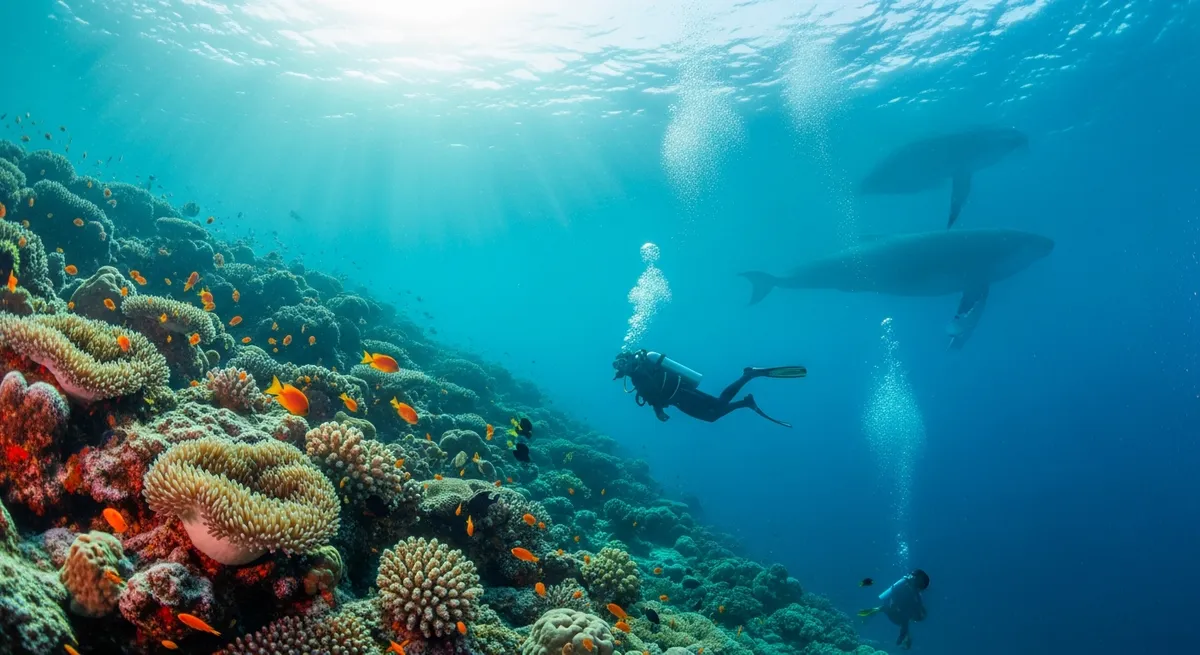
The historic capital island features a dramatic wall starting just 300 metres from shore, dropping into the 2,000-metre-deep Columbus Passage. Pristine coral, eagle rays, and whale watching in season.
Providenciales
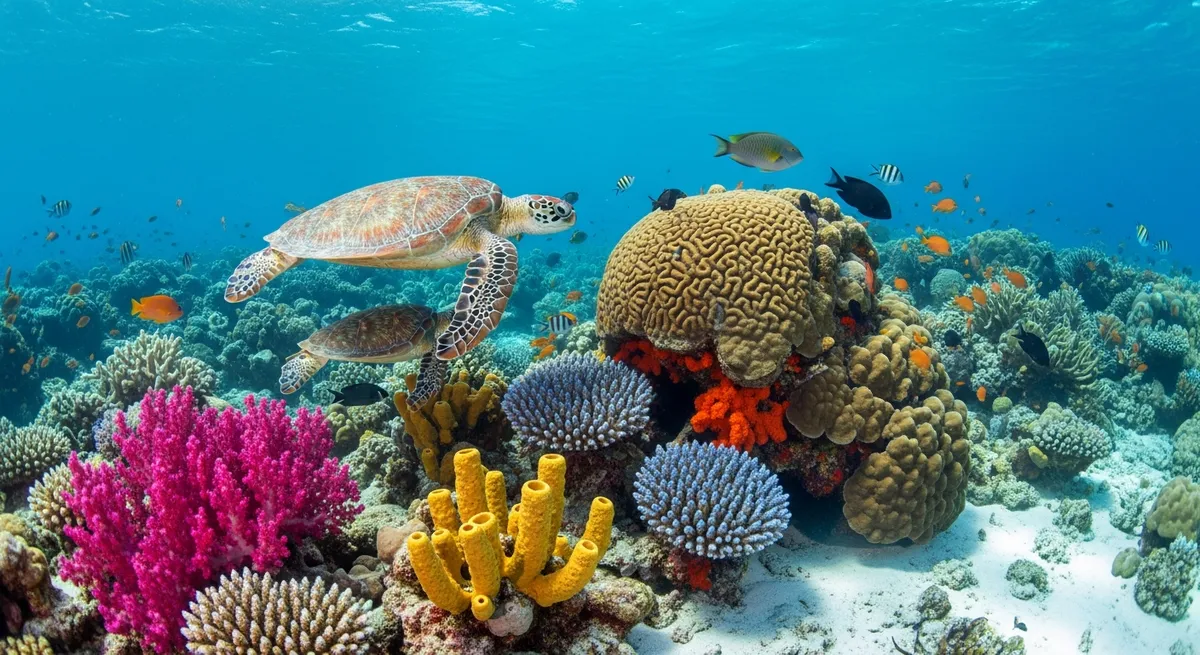
Providenciales diving is all about those dramatic walls, and frankly, we’re here for it. Northwest Point is our favourite for its sheer drop-offs, starting in just 10-12 metres of water before plunging down into the abyss. You’ll often hang out with reef sharks patrolling the ledge, maybe spot a friendly hogfish nosing around the sponges. The current can pick up here, so good buoyancy is key, but it also brings in the bigger stuff - sometimes even a sperm whale on its travels. Grace Bay’s barrier reef offers a different flavour, less about the deep blue and more about intricate reef structures. We’ve seen some huge mutton snapper here, and the smaller stuff like peppered gobies and reef scorpionfish hide in plain sight if you know where to look. Visibility is usually excellent, 25-30 metres on a good day, making it easy to spot those distant schools of Caesar. For a real treat, visit between December and April; it’s humpback whale season, and their songs echo through the water, a truly chilling experience even if you don't see them.
Salt Cay
A tiny, tranquil island famous for humpback whale encounters during migration season. The wall diving is pristine and virtually unvisited, offering a true Robinson Crusoe diving experience.
South Caicos
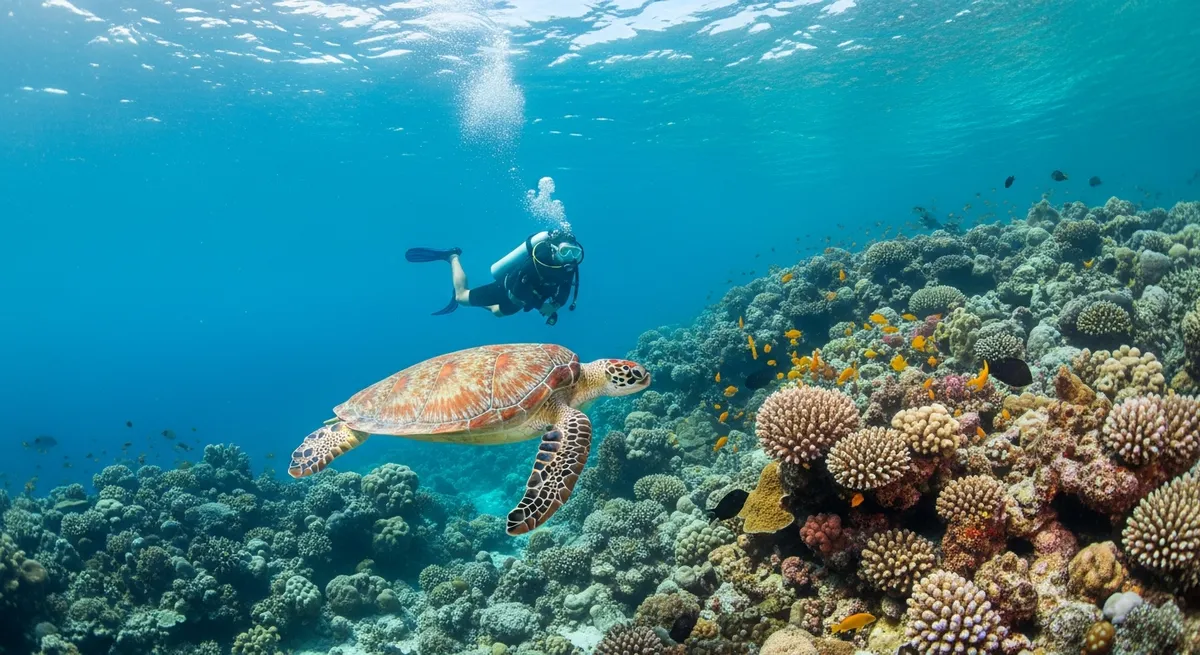
Known as the 'Big South' with exceptional wall diving, drift dives through channels, and encounters with eagle rays and sharks in nutrient-rich waters. An uncrowded alternative to Provo.
Ocean Wildlife in Turks & Caicos
127 species recorded in Turks & Caicos
Turks & Caicos Visa Requirements
Check if you need a visa to dive in Turks & Caicos
Plan & book
Ways to dive Turks & Caicos, from day trips to liveaboards.
Day trips & courses
via GetYourGuideGuided dives, courses and snorkel trips with instant booking.
Find dive trips in Turks & CaicosPlaces to stay
via Booking.comHotels and dive resorts near Turks & Caicos.
Search stays in Turks & CaicosDive insurance
Most travel insurance excludes or limits scuba. Check what you need before you go.
Dive insurance explainedPartner links: we may earn a commission if you book, at no extra cost to you. How we make money