Caribbean
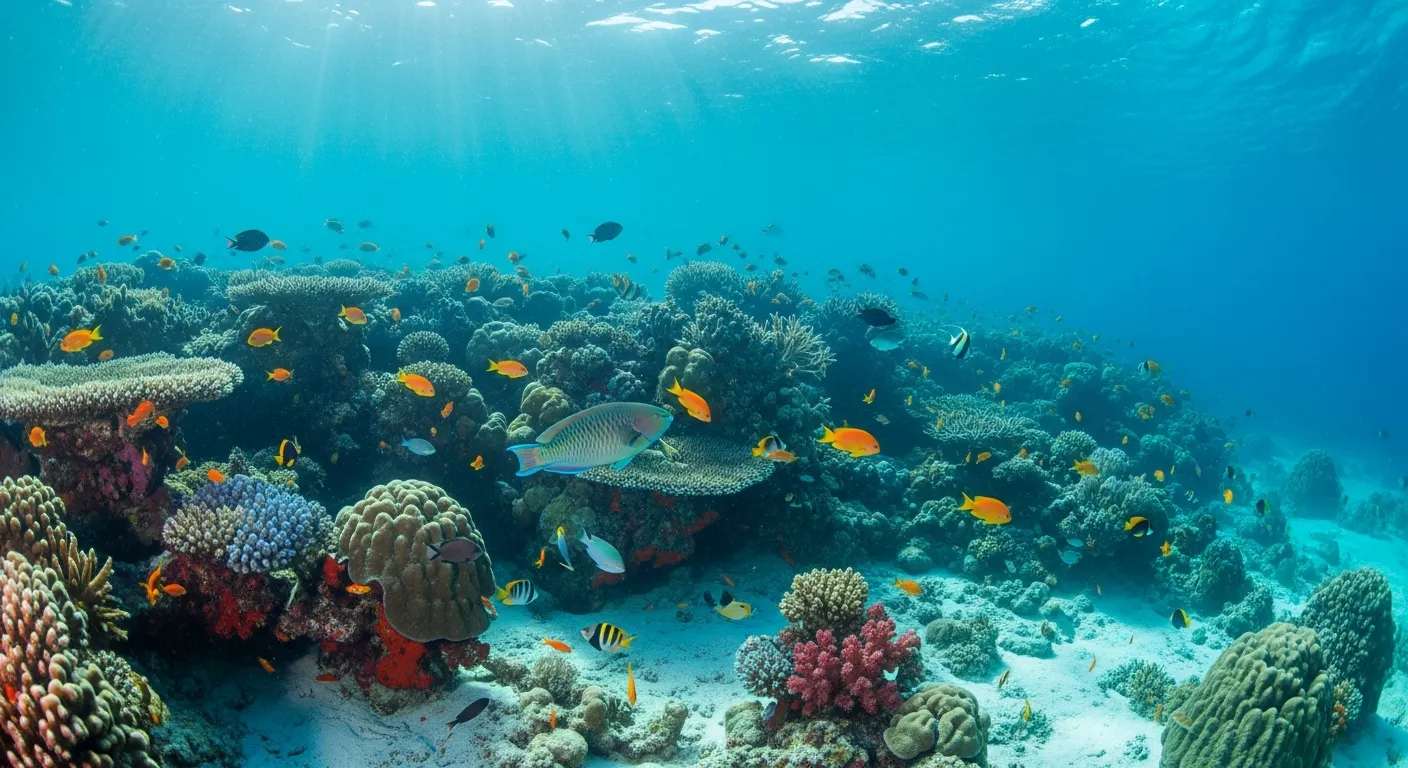
Crystal-clear turquoise waters, vibrant coral reefs, and warm temperatures year-round make the Caribbean one of the world's premier diving destinations. From wall dives in the Cayman Islands to drift dives in Cozumel, this region offers incredible biodiversity and visibility that often exceeds 30 metres.
Countries & Territories
Explore diving destinations in Caribbean

Anguilla
Anguilla might be known more for its luxury resorts and quiet beaches, but the diving here offers a genuinely relaxed experience. We found the wreck diving particularly good, not just for the deliberately sunk vessels themselves, but for how quickly they become proper habitats. Think plane fuselages and old freighters attracting schools of Brown Chromis and the occasional inquisitive cowfish. Head out to Dog Island or Sandy Island for some really lovely reef dives, where we often spot the more unusual stuff like Band Cusk-eels peeking from crevices. With around 50 sites and very few divers, you often get a site to yourselves, a real treat in the Caribbean.

Antigua & Barbuda
Antigua & Barbuda delivers a solid, dependable Caribbean dive trip, especially if you appreciate a calm surface and a relaxed pace. We find the South Coast of Antigua offers the most variety, with some decent wrecks, like the Andes, and healthy patch reefs. Expect schools of grunts and snapper hanging out, plus plenty of angelfish checking you out. Barbuda is trickier to reach, but the shallower reefs there are worth the effort for their vibrant colours and surprisingly big parrotfish. The visibility here is usually excellent, making it a great spot for underwater photography, particularly in the summer months when the water is warmest and calmest. Don't come expecting massive pelagics or dramatic walls, but if you're after easy diving, sun, and sand, Antigua & Barbuda fits the bill.

Aruba
Aruba’s diving scene is, for us, all about the wrecks. The Antilla, a German freighter from WWII, is the biggest draw and we can see why. It’s huge, and you can spend an entire dive exploring its various sections, often surrounded by schools of snapper and barracuda. Beyond the Antilla, there are over a dozen other wrecks scattered along the calm leeward coast, making it a proper playground for anyone who loves exploring submerged history. We’ve found the year-round sunshine keeps the water reliably warm and visibility consistently good, rarely dipping below 20 metres. If you’re into macro, keep an eye out for banded jawfish peeking from the sand or the quirky fringed filefish near the reefs. It’s a solid, easy-to-dive destination, especially if wrecks are your thing.
Bahamas
The Bahamas just hits different, doesn't it? We’re talking about a country that truly understands big animal encounters, particularly sharks. If you’re not tracking hammerheads in Bimini or dropping in on oceanic whitetips off Cat Island in spring, you’re missing a huge part of what makes diving here so special. Beyond the toothy grins, there are mind-bending blue holes in Andros, and the Exumas offer drift dives through gin-clear cuts loaded with schooling fish. Visibility is consistently great, making the sheer scale of the reefs, like those in the Tongue of the Ocean, all the more impressive. We’d suggest focusing on the outer islands for the real magic, leaving Nassau for a quick stopover.

Barbados
Barbados often gets overlooked for its flashy neighbours, but we've always found it a solid bet, particularly for wrecks. The south and west coasts are where you'll spend most of your time, offering a good mix of purpose-sunk vessels. We love the Stavronikita, a Greek freighter that's become a thriving artificial reef, full of schooling tarpon and the occasional turtle gliding past. Visibility is generally good year-round, though the calmer seas of summer make for an easier ride out. Beyond the metal, keep an eye out for some of the island's more unusual residents, like the pale cardinalfish, tucked into crevices, or the surprisingly shy dark-spotted snake eel peeking out from the sand.

Bermuda
Bermuda, for us, is all about the wrecks. They’re everywhere, scattered across that shallow reef platform, and the history beneath the waves here really is palpable. We’ve found ourselves lingering over old steamships and sailing vessels, imagining their last moments, and the sheer number of them, over 300, means you can dive a different one every day for weeks. The clarity of the water helps, often offering 30-meter visibility, letting you take in the full scale of these artificial reefs. While the shipwrecks are the main draw, don’t overlook the reefs themselves. Being the northernmost coral system in the Atlantic, you get a cool blend of tropical fish darting amongst more temperate species - we’ve seen Creole Wrasse alongside Glaucus nudibranchs. The South Shore tends to be our pick for dramatic reef structures, while the Western Blue Cut offers some deeper exploration. We think late spring through early autumn is prime time for calm seas and comfortable water temperatures. Just remember, those currents can sometimes be a bit zippy, so pay attention to your dive brief.
Bonaire
Bonaire earns its 'shore diving capital' title honestly, with yellow rocks marking entry points for 80-plus sites along the coast. The sheer accessibility is what makes it special; we love the freedom of gearing up at your own pace, slipping into the water, and surfacing when you’re done, often right in front of your accommodation. Most of the action is along the west coast and around Klein Bonaire, where the reefs stay healthy and the fish populations, like the endless schools of Sergeant Majors or cruising parrotfish, are consistently good. It’s not about huge pelagics here, but rather the smaller, unique critters - we’ve spent hours hunting for Bearded Fireworms or watching Spotfin Dragonets on a night dive. Conditions are pretty consistent year-round, warm water and generally mild currents, making it an easy trip any time.

British Virgin Islands
The British Virgin Islands are about laid-back boat diving and the sheer joy of being on the water all day. We find the liveaboard experience here particularly good, letting you hop from one island to the next with ease. Salt Island and Cooper Island are our top picks for good reason, home to the RMS Rhone, a wreck that genuinely lives up to its reputation. Swimming through its broken sections, seeing barracuda hang motionless in the current, it’s a proper expedition. Virgin Gorda and Anegada also offer some rewarding dives, especially if you’re keen to spot a scalloped hammerhead or a tarpon cruising the reef edge. Visibility is usually excellent, and the reefs feel healthy, often with dense schools of bicolor damselfish flitting among the corals.
Cayman Islands
The Caymans feel like home, in a good way. We’ve logged more bottom time here than almost anywhere else in the Caribbean, and for good reason: the wall diving is simply magnificent. Grand Cayman delivers on classic Caribbean drift dives along dramatic drop-offs, often with sharks cruising the blue and schools of horse-eye jacks swirling off the points. Little Cayman, though, is where we tell our friends to go. Bloody Bay Wall, particularly the section around Jackson’s Bight, provides those glorious, long hang-time dives with turtles, eagle rays, and often a nurse shark or two peeking out from under a coral head. If you’re really lucky, you might even spot a Glaucus nudibranch drifting by, a genuine treat. Summer is usually calmer, but the diving is good year-round.
Cuba
Cuba’s diving feels like stepping back in time, and we mean that in the best way. Sure, some of the dive ops might be a little rough around the edges, but that’s part of the charm, and it means the reefs themselves are generally in fantastic shape. We love the dramatic wall diving off María la Gorda in the west, and the Bay of Pigs offers some unique shore entry opportunities into cenotes and calm reefs perfect for shaking off dive rust. But if you’re coming to Cuba for the big stuff, it has to be Jardines de la Reina. Think silky sharks, Caribbean reef sharks, and even crocodiles if you’re brave enough to try a surface snorkel encounter. Go liveaboard there for a week; it’s a completely different rhythm, isolated and wild. Vis is generally great year-round, but avoiding hurricane season from August to October is a smart move.
Curaçao
Curaçao is just… easy. That’s what we love about it. You can fly in, grab a rental car, and dive most of its 78 named sites right from shore. We found the southeast to have a slightly better density of dive shops, but the whole island pretty much delivers with good, healthy fringing reefs. The *Superior Producer* wreck, a cargo ship sunk intentionally in the 70s, is a genuinely moody dive, usually with plenty of tarpon lurking in its shadowed holds. For something completely different, don’t miss the Blue Room, a half-submerged cave where the light filters in, turning the whole space an electric blue. Visibility tends to be solid year-round, but avoiding peak hurricane season from August to October is always a smart move.

Dominica
Dominica isn't your typical Caribbean dive destination, and that’s precisely why we love it. Forget endless white sand beaches; here, the volcanic landscape plunges directly into the sea, creating dramatic walls, pinnacles, and even underwater hot springs that vent right from the seafloor. The Soufriere-Scotts Head Marine Reserve in the south is our pick for sheer variety, where sites like Soufriere Bay offer a chance to explore those bubbling thermal vents alongside healthy coral. You’ll spot some interesting critters too, like the shy brotula or a pygmy moray tucked into a crevice. Beyond the reefs, the chance to respectfully snorkel with sperm whales here is, for many, the ultimate experience - it’s powerful and humbling. We find the calmer conditions from November to May generally provide the best visibility for diving.

Dominican Republic
The Dominican Republic gives you a real mixed bag for diving, which we quite like. On the Caribbean side, Bayahibe and La Romana serve up those classic Caribbean vibes: calm, clear, and plenty of reef fish flitting around. We’ve seen everything from schooling grunts to playful hamlets there, and the underwater museum at Bayahibe adds a quirky element. Head north to Sosua and Puerto Plata, and you’re diving the Atlantic, which often means more dramatic topography and bigger currents, though the visibility can be less consistent. Our standout experience has to be the humpback whales at Silver Bank, an incredible place to snorkel with these giants during their breeding season. Best to aim for late winter to early spring for that. If it's just reef diving you're after, the south coast is good year-round, though hurricane season, from June to November, can bring unpredictable weather.

Grenada
Grenada offers a different kind of Caribbean diving, less about endless healthy reef walls and more about fascinating wrecks and unique critters. We think the southwest coast is where the action is, particularly for the big draws. Everyone talks about the *Bianca C*, and for good reason-it’s a truly monumental wreck, resting at a depth that makes it accessible for advanced divers to explore its many decks. Then there’s the Molinere Underwater Sculpture Park, which, while a bit of a novelty, is still a pretty cool shallow dive, creating new habitat and offering some great photo ops. Beyond those, we’ve found the volcanic reefs hold some unusual finds; look out for Saddle Stargazers burying themselves in the sand or the camouflaged Mushroom Scorpionfish. Winter brings the calmest conditions, though we’ve had good visibility right through spring too.

Guadeloupe
Guadeloupe offers a uniquely French Caribbean dive experience, feeling a bit more off-the-beaten-path than some of its neighbours. Most of the action, and frankly, where we’d tell you to spend your time, centres around the Cousteau Reserve off Pigeon Island. You’ll find some striking volcanic topography here, think swim-throughs and small caves, often decorated with robust Pillar coral and delicate Branched Finger coral. We’ve seen quite a few colourful residents too, like the vibrant Butterfly and the curious Greater Soapfish, tucked into crevices. Conditions are generally good year-round, but we prefer late spring for calmer seas and excellent visibility, perfect for exploring the deeper walls where you might spot a cruising Coalfish Whale.

Jamaica
Jamaica, for us, has always been about that easy, breezy Caribbean vibe, both above and below the surface. We find the diving along the north coast to be consistently pleasant, with Montego Bay and Negril offering some particularly good spots. Think gentle wall dives, some interesting swim-throughs, and a few wrecks that are generally accessible. We’ve spent many a morning watching the Yellowhead Jawfish hover over their burrows, and the Elkhorn corals here are really coming back strong in some areas, which is great to see. Honestly, if you’re looking for straightforward, warm water diving with a proper laid-back island atmosphere, Jamaica delivers.

Martinique
Martinique often flies a little under the radar in the Caribbean, but we think that’s part of its charm. It's a place where you can spend your morning exploring a French market, then dive an hour later on a volcanic reef that drops away into the blue. The real draw, for us, is the Saint-Pierre area, where the 1902 eruption of Mount Pelée created an accidental underwater museum of shipwrecks. Diving those historical wrecks, like the *Dalhia* or the *Roraïma*, covered in sponges and home to schools of grunt and cardinalfish, is a genuinely different experience from your typical Caribbean reef. Diamond Rock is also worth a look for its dramatic topography and the chance to spot bigger pelagics, especially around the deeper pinnacles. We find the dry season, roughly December to May, offers the calmest conditions and best visibility, though you can dive year-round.

Montserrat
Montserrat offers a different kind of Caribbean diving, a place where the island’s dramatic volcanic history extends beneath the waves. We’re talking about an eerie, almost surreal experience around the buried capital of Plymouth, where you can fin over submerged buildings and imagine life before the ashfall. It’s not quite wreck diving, more like exploring an underwater Pompeii, and it’s unlike anything else in the region. Head to the northwest coast, and you’ll find healthy reefs growing on those same volcanic rock formations, providing a stark contrast to the south. We’ve had some truly unique encounters here, spotting everything from reef sharks cruising the current to tiny nudibranchs tucked into crevices. The best time to visit is during the drier months, roughly December to May, for calmer seas and better visibility, though the diving here is less about perfect conditions and more about the sheer uniqueness of the landscape.

Puerto Rico
Puerto Rico is a place we think about often, mainly because of its surprising variety for a single island. Off the east coast, near Fajardo, you’ll find some lovely reef dives, typically calmer and good for getting back into the swing of things. But if you’re looking for a real dose of the wild Caribbean, La Parguera on the southwest is where it gets interesting - think dramatic wall dives dropping into the blue. For us, though, the crown jewel is a trip out to Mona Island. It’s a trek to get there, and conditions can be a bit challenging, but the payoff of those untouched walls and the chance to see larger pelagics makes it utterly worthwhile. Visibility is generally good year-round, but we’d aim for late spring or early summer to avoid the peak hurricane season and enjoy those calmer surface days.

St. Kitts & Nevis
St. Kitts and Nevis offers a quiet slice of Caribbean diving, a real escape from the busier islands. With only a handful of dive centres, you often feel like you have the reefs to yourself, which is a rare treat these days. We’ve found the diving around St. Kitts itself to be the most varied, especially for those who enjoy poking around wrecks and checking out volcanic architecture underwater. While the reefs are healthy, the real charm here is the chance to spot the smaller, shyer stuff - things like Antenna Codlets and the surprisingly well-camouflaged Mushroom Scorpionfish, if you have a good guide. Winter, from December to April, generally offers the calmest seas and best visibility, though summer diving can be very pleasant too.

St. Lucia
St. Lucia means diving the Pitons, pure and simple. Those twin volcanic peaks don't just dominate the skyline, they plunge straight down into the sea, forming some seriously dramatic walls around Soufriere. Head south from Anse La Raye and you’re into the Soufriere Marine Management Area, which protects reefs robust enough to weather the usual Caribbean storms. We’ve found the diving around here, particularly the Pinnacles, to be fantastic for spotting things like greenblotch parrotfish and the occasional blackfin spiderfish tucked away. Currents can pick up, so we always suggest checking conditions, but generally, the summer months bring calmer seas and excellent visibility, perfect for exploring those deep reef crevices for conger eels.

St. Vincent & the Grenadines
St. Vincent and the Grenadines isn’t for everyone, and that’s precisely why we like it. If you’re into big resorts and crowded boats, this isn't your spot. Here, the diving feels exploratory. We’re talking about a dramatic volcanic landscape on St. Vincent, where walls drop into black coral forests, and a keen eye will spot rare eels, like the Avocet Snipe Eel or a Collared Eel tucked into crevices. Then there are the Tobago Cays, a complete contrast with their shallower, sun-drenched reefs, perfect for spotting Spotted Trunkfish or a Yellowtail Parrotfish munching away. Come between November and May for the calmest conditions, though you might get lucky with Fourwing Flyingfish breaching year-round. It’s raw, it’s real, and it’s a refreshing change of pace from the usual Caribbean circuit.

Trinidad & Tobago
If you’re heading to Trinidad & Tobago for a dive trip, you’re really heading to Tobago. That's where the two dive centres are, and it’s where the action happens. We love that Tobago sits right on the edge of the continental shelf, a geographical sweet spot that brings a real mix of Caribbean flair and Atlantic current, making for some seriously interesting drift dives. The Sisters Rocks, for example, often deliver big schools of jacks and the occasional manta, while the massive brain corals there are a sight to behold, some of the biggest we’ve ever seen. Expect healthy reefs and a good chance of seeing things like Bluespotted Searobins and Keeltail Needlefish, especially in the calmer conditions between December and May.
Turks & Caicos
Turks & Caicos diving is all about the wall, really. The islands sit on the edge of the Turks Island Passage, a deep trench that drops to over 2,000 metres, and the diving here feels like you’re peering over the edge of the world. We love the sheer drama of these sites, especially off Grand Turk and Providenciales, where the reefs give way to blue abyss. Visibility is often ridiculous, 30 metres plus on a good day, and those clear waters make sightings of tiger groupers or even a cruising longfin mako all the more impressive. Winter, particularly January to April, is when we’ve had the best luck spotting humpback whales during their migration, a truly special experience if you time it right.

US Virgin Islands
The US Virgin Islands give you classic Caribbean diving with a distinct American accent. We’re talking easy logistics for US citizens, no passport needed, and a familiar infrastructure, all wrapped up in that warm, clear water we chase. For dramatic walls and proper wreck diving, St. Croix takes the prize, especially with its famous 'Cane Bay Wall' drop-off. Over on St. Thomas and St. John, it's more about reef exploration, and we've spotted some interesting critters like Dwarf Frogfish and those tiny Darter Gobies tucked away. We find the sweet spot for a visit is generally November to May, dodging hurricane season and getting calmer seas for exploring the 49 dive sites.