Scuba Diving in Tunisia

Explore 58 dive sites and 1 dive centres in Tunisia. Conditions, marine life, and the best time to dive.

Tunisia Diving at a Glance

1 dive region, 58 dive sites, 1 dive centres, 162 marine species recorded.

Travel Advisories for Tunisia

UK FCDO: Advises against all travel to parts.

Best Time to Dive in Tunisia

The best months to dive in Tunisia are January, February, March, based on water temperature, visibility, wave conditions, and currents.

Month-by-Month Diving Conditions

  • January: Poor, water 16.7°C
  • February: Poor, water 16.7°C
  • March: Poor, water 16.7°C
  • April: Poor, water 16.7°C
  • May: Poor, water 16.7°C
  • June: Poor, water 16.7°C
  • July: Poor, water 16.7°C
  • August: Poor, water 16.7°C
  • September: Poor, water 16.7°C
  • October: Poor, water 16.7°C
  • November: Poor, water 16.7°C
  • December: Poor, water 16.7°C

Recommended Packing List for Tunisia

Based on average water temperature of 16.7°C.

  • Wetsuit (5-7mm) - recommended for 17°C water
  • Hood & Gloves (3-5mm) - helps retain warmth
  • Mask - essential for every dive
  • Fins
  • BCD - buoyancy compensator
  • Regulator - your most safety-critical piece of gear
  • Dive Computer - tracks depth, time, and NDL
  • Surface Marker Buoy (SMB) - essential for boat pickups
  • Dive Torch - useful for crevices and colour at depth
  • Underwater Camera - capture your diving memories

Dive Regions

Frequently Asked Questions

What is the best time of year to go scuba diving in Tunisia for optimal weather and water conditions?
Based on the provided data, the water temperature in Tunisia remains a consistent 17°C throughout the entire year, from January to December. This consistent temperature means that divers can expect similar underwater conditions regardless of the month they choose to visit. For more general information on diving seasons, you might consult our When to Dive guide.
What are the visa and entry requirements for international travelers planning a diving trip to Tunisia?
The provided data context for DivePlnr does not include specific information regarding visa and entry requirements for international travelers planning a diving trip to Tunisia. We recommend checking official government travel advisories or the Tunisian embassy website for the most current and accurate entry regulations before your trip.
What types of marine life and underwater ecosystems can scuba divers expect to encounter in Tunisia?
Divers exploring the waters of Tunisia, particularly around the Tabarka sub-region, can expect to encounter coral-rich waters, indicating a vibrant ecosystem. While specific marine life species are not detailed in the provided information, the presence of coral suggests a diverse habitat. For more general information on marine species, you can visit our Wildlife Database.
Does Tunisia offer suitable diving spots for beginners, or are the dive sites primarily for experienced divers?
The provided data for Tunisia does not specify the difficulty levels of its 57 dive sites, making it difficult to definitively state if they are primarily for beginners or experienced divers. However, with one dive centre available, it is common for such facilities to cater to a range of skill levels, from introductory dives to advanced excursions. We recommend contacting the local dive centre directly for details on beginner-friendly options.
What are the estimated costs for scuba diving in Tunisia, including single dives, packages, and equipment rental?
The provided data context for DivePlnr does not include specific information regarding the estimated costs for scuba diving in Tunisia, such as prices for single dives, packages, or equipment rental. For current pricing, it is best to directly contact the local dive centre in Tunisia. You can also explore general information about diving equipment on our site.
Which specific dive regions or areas in Tunisia are most recommended for scuba diving, and what are their highlights?
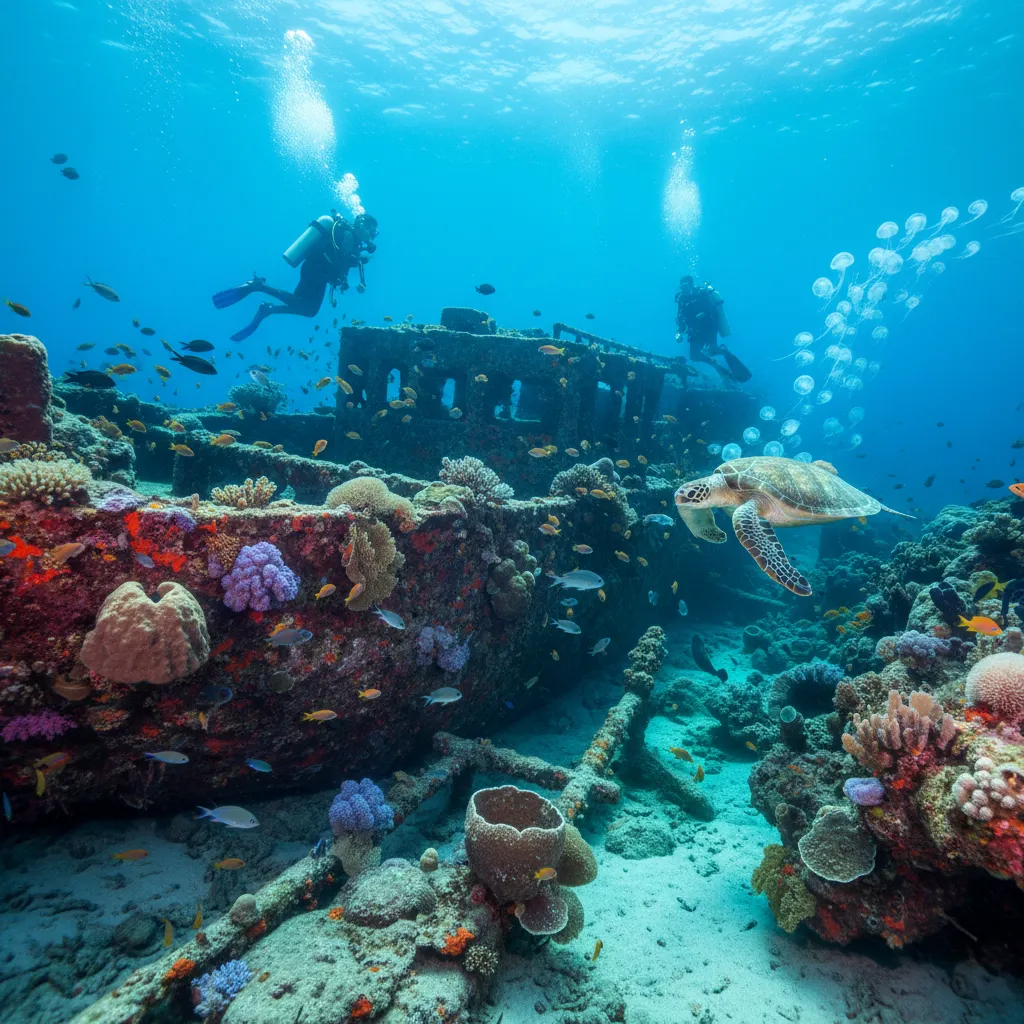
The most prominent dive region highlighted in Tunisia is Tabarka, which boasts 58 dive sites and is known for its coral-rich waters. Beyond Tabarka, the general diving landscape of Tunisia offers unique historical exploration, including ancient Punic and Roman wrecks, as well as relics from WWII battles. These diverse offerings make Tunisia an appealing destination for various diving interests.
What is the typical water temperature and underwater visibility like in Tunisia's diving areas throughout the diving season?
Throughout the entire year, from January to December, the typical water temperature in Tunisia's diving areas remains a consistent 17°C. However, the provided data does not include specific information regarding typical underwater visibility in these areas. Divers should inquire with local dive operators for current visibility conditions.
Are there any notable wreck dives or unique underwater geological formations that divers can explore in Tunisia?
Yes, Tunisia offers notable wreck dives for exploration, including fascinating ancient Punic and Roman wrecks, as well as relics from WWII battles. These historical sites provide unique underwater experiences for divers interested in maritime history. The provided data does not specify any unique underwater geological formations.