Mediterranean & Europe
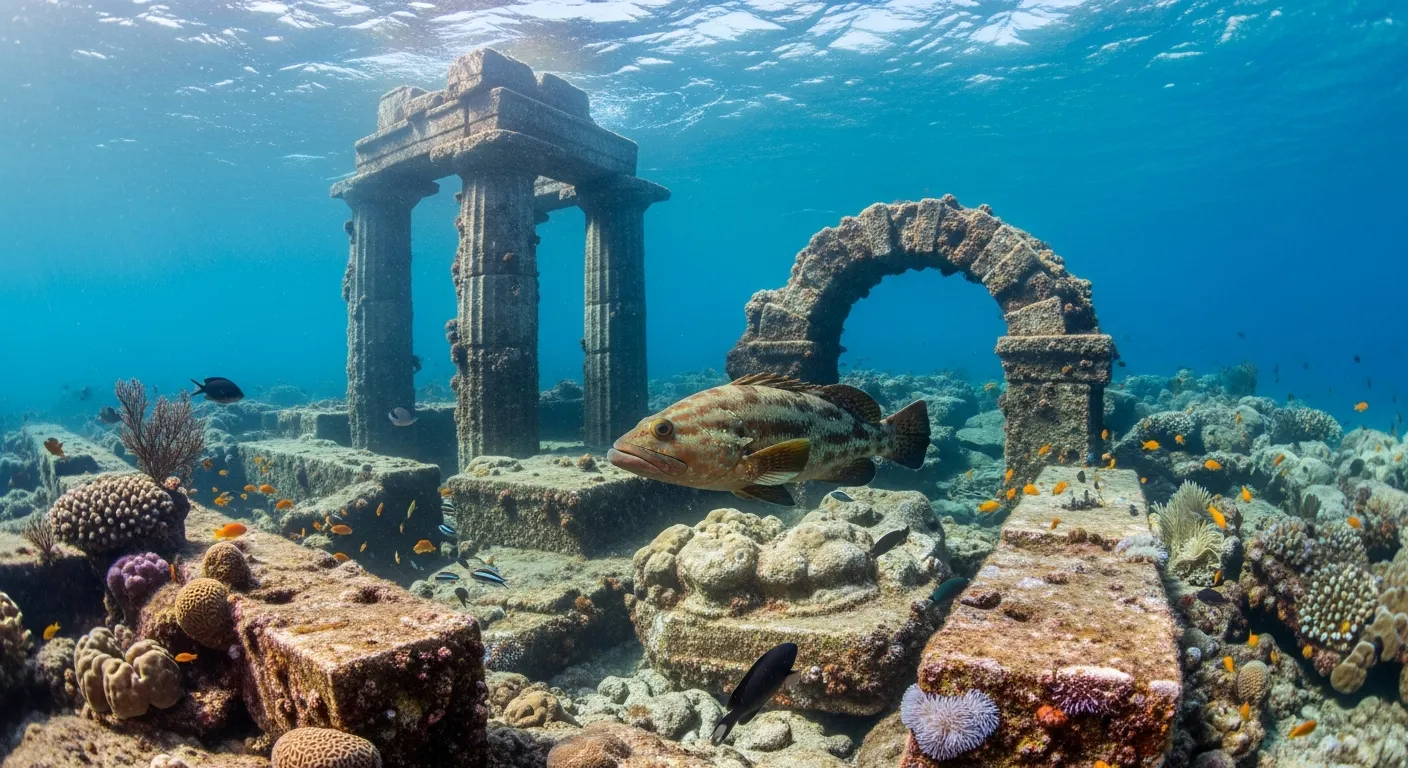
Rich in history and marine life, the Mediterranean offers wreck diving among ancient shipwrecks, cave diving in crystal-clear cenotes, and encounters with groupers, barracuda, and octopus. Northern Europe adds cold-water adventures including kelp forests and dramatic fjord dives.
Countries & Territories
Explore diving destinations in Mediterranean & Europe

Albania
Albania isn't on every diver's radar yet, and that's precisely its charm. We love the feeling of exploring somewhere genuinely new, particularly along the Ionian coast near Saranda and Ksamil. Here, the visibility is often excellent, perfect for poking around the dozens of wrecks, many from World War II, that are still being identified. Further north, around Vlora, you’ll find more dramatic caves and walls. Summer brings the warmest water, but spring and autumn offer quieter sites and cooler air, ideal for those longer surface intervals. You might not see manta rays, but the sheer abundance of common Mediterranean species like wrasse and scorpionfish, alongside the occasional razorfish or even a cowfish, makes every dive feel like a discovery.

Croatia
Croatia isn't your typical tropical dive destination; it's a place we keep coming back to for its sheer geological drama and layers of history. We’re talking about a coastline peppered with caves, dramatic walls, and an impressive collection of wrecks - a truly varied dive profile. For the best of it, head to Vis and Biševo for the caves and deep blue, or the Kornati Islands if you want to lose yourself in unspoiled rock formations. Summer offers the warmest water and best visibility, though spring and autumn can be glorious with fewer crowds. Diving a WWII wreck, then surfacing to an ancient walled city, really sums up the experience here.

Cyprus
Cyprus often gets pigeonholed as a Zenobia destination, and while that wreck absolutely delivers-it really is a superb dive, especially if you can hit it early before the crowds-there's more to the island if you know where to look. We tend to focus on the Larnaca area for the Zenobia, naturally, but Paphos and Coral Bay offer some surprising cavern and reef diving, often with better conditions in shoulder seasons. The Green Turtle sightings are a real draw, and we've had some fantastic encounters in the quieter bays. Visibility here is generally excellent through summer and into early autumn, making it a comfortable dive trip. For a Mediterranean spot, you’re looking at a decent number of sites, with a few real crackers beyond the famous wreck.

Denmark
Forget those warm water assumptions you might have about Europe. Diving in Denmark is a different beast, more about history and hardy critters than coral. We head here for the wrecks, plain and simple - the sheer volume of them, scattered from the Viking era right through two World Wars, is incredible. The North Sea side, especially, can deliver some dramatic, current-swept dives on well-preserved ships, while Bornholm offers shallower, slightly calmer waters if you're keen on spotting those unique Baltic species like the Quagga Mussel or a Scale-rayed Wrasse. Summer brings the best visibility, but brace yourself for brisk temperatures; this is drysuit country for much of the year, and we wouldn't have it any other way.

France
France, the very cradle of modern diving, holds a special place in our hearts. Beyond the historical significance, it’s the sheer variety that truly sets it apart. While the Atlantic offers interesting cold water dives, our focus definitely lies in the Mediterranean, particularly around Marseille and Corsica, where the water warms up nicely from June to September. You’ll find everything from impressive WWII wrecks, still carrying their secrets, to ancient Roman pottery scattered across the seabed, a tangible link to history. We particularly love the unexpected encounters with species like the Odd Bobtail Squid or the distinctive Axefish, tucked into the rocky crevices, proving there's always something new to spot, even in well-dived waters.

Greece
Greece, for us, isn’t about chasing pelagics. It’s a place where every dive feels like slipping into a warm bath, an archaeological expedition, and a quiet wildlife encounter all at once. We love the Aegean, particularly around the Cyclades, for its sun-drenched reefs that descend into dramatic drop-offs, often revealing ancient amphorae scattered like forgotten treasure. Down in Crete, the caves offer a different thrill, intricate and moody, while Alonissos Marine Park protects a vibrant, fish-filled ecosystem - keep an eye out for the monk seals that call it home. Summer and early autumn give you the calmest seas and best visibility, perfect for exploring those volcanic formations around Santorini or the newly accessible historical sites that are slowly opening up.

Iceland
Iceland for diving? We know, it sounds a bit out there, but trust us, it’s brilliant. Forget your tropical fish, here you’re diving between continents, exploring geothermal vents, and maybe even spotting an orca or two. Silfra, in Thingvellir National Park, is the obvious draw. We’ve all seen the photos of divers suspended in that impossibly clear glacial meltwater, floating between the North American and Eurasian plates, and it really is as good as it looks. The visibility, often over 100 meters, is genuinely staggering. But there’s more to Iceland than just Silfra. Head north to Strytan for a completely different vibe, diving around unique geothermal chimneys that are absolutely buzzing with life, especially the impressive Norway lobsters. We think summer, June to August, is your best bet for better weather and calmer conditions across the board, though Silfra is a year-round affair. Just be prepared for cold water - this is Iceland, after all. The drysuit is non-negotiable, but the experience is truly unique and well worth the extra neoprene.

Ireland
Alright, Ireland. Forget your stereotypes of balmy tropics; diving here is a different beast entirely, and we mean that in the best possible way. The Atlantic throws up some seriously dramatic underwater topography, especially along the West Coast where the visibility can actually be surprisingly good - think 20 to 30 meters on a calm summer’s day, letting you properly appreciate those deep walls and gullies. We’ve had incredible encounters with playful grey seals there, often right up in your face, checking you out. Head further south, and you might just stumble upon something truly spectacular like the monstrous Atlantic Bluefin Tuna, or even a basking shark cruising slowly past, filtering plankton. Wreck diving enthusiasts will find plenty to explore too, especially off the East Coast, where history lies scattered on the seabed. It’s not always easy diving; conditions can be challenging, but for those who embrace the chill and the rugged beauty, Ireland delivers a profoundly rewarding experience that feels genuinely wild. We always suggest late spring through early autumn for the most consistent conditions, though even then, prepare for anything.

Italy
Italy’s appeal for divers often gets overshadowed by its pasta and ancient ruins, but that’s a mistake. We find the diving here to be distinctly Mediterranean - less about flamboyant coral and more about intriguing rock formations, historical relics, and the thrill of encountering larger pelagics in surprising places. Head south to Campania for submerged Roman cities near Naples, where history really does come alive underwater. Or, if the big stuff is your draw, Sardinia often delivers with barracuda schools and even dolphins, particularly around its offshore islands. Our best dives have always been in the marine protected areas like Ustica, where the local blackfish and corb are noticeably bolder, or the dramatic walls of Portofino, best explored during the shoulder seasons when the summer crowds thin out.

Libya
Let's be frank, Libya isn't on anyone's current dive radar, and for understandable reasons. But if we’re talking pure, unadulterated potential, the Libyan coastline is a frontier. Africa's longest stretch of the Med lies largely unexplored, a time capsule waiting to be opened. We're talking about ancient Greek and Roman harbours, some completely submerged, others just hinting at their past. And the wrecks - particularly from WWII - are numerous, undisturbed, and likely in excellent condition due to decades of minimal human interaction. Imagine the Cyrenaica region, specifically around Apollonia or Ptolemais, where ancient cities tumbled into the sea. Or the Tripoli coast, which promises a wealth of untouched reefs that haven't seen a fin since the 1980s. When stability returns, we anticipate calm summer months, perhaps June to September, offering the best visibility and conditions for discovery. The real draw here isn’t about specific species lists yet; it's the thrill of pioneering dives, the chance to be among the first to explore sites unseen for generations.
Malta
Malta isn't just about the history topside; the diving here holds its own, especially if you're into wrecks and dramatic topography. We find the main island of Malta itself has a surprising amount to offer, from the HMS Maori in Valletta’s Marsamxett Harbour - a surprisingly intact destroyer sitting in shallow water - to the deeper P29 patrol boat. For sheer spectacle, though, Gozo and Comino are where we always steer divers, with sites like the Blue Hole and the Inland Sea on Gozo delivering those classic arch and cavern experiences. Visibility is generally excellent throughout the summer months, though we think late spring and early autumn hit that sweet spot for comfortable water temperatures without the peak season crowds. Keep an eye out for dusky groupers lurking in the shadows and ornate wrasse flitting across the reefs.

Montenegro
Montenegro might not be the first place that springs to mind for a Mediterranean dive trip, but we think it deserves a closer look, especially for wreck enthusiasts and those who appreciate dramatic seascapes. The diving here is less about colourful reefs and more about compelling history and geology. We're talking dramatic underwater cliffs, deep caves, and a genuinely fascinating submarine tunnel that feels straight out of a spy movie. The Bay of Kotor, with its unique mix of fresh and saltwater, creates some intriguing conditions and a different kind of dive experience. Head to the Budva and Bar regions for the bulk of the sites, particularly if you’re keen on exploring wrecks - there’s a surprising number of them down there. Summer, from June to September, offers the best visibility and warmest waters, but it can get busy topside. For a quieter trip with still pleasant conditions, we’d suggest late May or early October.

Morocco
Morocco isn't the first place most divers think of, but those who venture here find something truly different. Forget your usual tropical scene; this is rugged, wild Mediterranean diving, with a whisper of the Atlantic depending on where you drop in. We head straight for Al Hoceima National Park, a protected stretch on the Mediterranean coast where the underwater landscape is all dramatic rock formations, caves, and surprising amounts of fish life. It’s not about flashy colours, but the sheer volume of anchovies, herring, and hake, with a chance of spotting a lanternfish or even a sperm whale further out. Visibility can be a bit variable, especially in winter, but the quiet, uncrowded sites and the unique blend of species - like the chunky Blackfish or a Rufus Snake Eel - make it a genuine adventure. We’d suggest late spring or early autumn for the best conditions, when the water’s warmer and the summer crowds haven’t quite arrived, or have already left.

Norway
Norway isn't your typical tropical escape. It's a place for divers who appreciate the raw beauty of cold water, where kelp forests sway like ancient trees and the fjords plummet into the deep. We love the dramatic landscapes, both above and below the surface, particularly in the Lofoten Islands where the water clarity can be phenomenal. Heading north, especially around Tromsø, offers the genuine chance to encounter orcas in winter, a truly humbling experience if you're lucky. For something a little different, the Trondheimsfjorden offers unique cold-water coral formations, a real insight into a different kind of underwater ecosystem. Come in late spring or summer for the best visibility and conditions, though the orcas need that crisp winter chill.

Portugal
Portugal isn't always the first place that springs to mind for diving, and that's precisely what we like about it. Forget tropical reefs; this is raw, compelling Atlantic diving, where the ocean feels ancient and full of secrets. For pelagic action, the Azores are non-negotiable, offering genuine chances for open-ocean encounters with everything from mako sharks to sperm whales in summer. Closer to the mainland, the Algarve serves up some surprisingly rich coastal dives, especially around Sagres, with its dramatic drop-offs and the occasional sunfish gliding by. Our personal pick, though, has to be the Berlengas Nature Reserve - a small archipelago off Peniche, where the granite walls are plastered with jewel anemones and the occasional school of tuna flashes past. It’s rugged, often windy, but utterly captivating, best experienced from June to September.

Spain
Spain is a sprawling country, and its diving is just as varied, pulling from both the warm Mediterranean and the wilder Atlantic. If you’re looking for big volcanic topography and a good chance of seeing angel sharks, we'd point you towards the Canary Islands, particularly El Hierro, which always feels a bit like stepping back in time. For classic Mediterranean diving, the marine reserves around the Medes Islands and Cabo de Palos deliver, with big schools of barracuda and often some seriously chunky groupers finning through the Posidonia meadows. We’ve found the summer months offer the most settled conditions, but places like the Canaries are reliable year-round. Don't overlook the chance to spot a stout bobtail squid or a painted comber; they’re often the quiet stars of a Spanish dive.

Sweden
Forget tropical reefs. Diving in Sweden is about an entirely different kind of immersion, one steeped in history and a unique ecosystem. We think the real draw here is the Baltic Sea, particularly for its incredible shipwreck preservation. The low salinity and chilly temperatures act like a natural time capsule, leaving centuries-old wooden wrecks almost perfectly intact, a truly eerie and humbling experience. Head west, towards Gothenburg, and you’ll find the waters influenced by the North Sea, bringing a richer marine diversity. Expect encounters with things like snake blennies, butterfish, and the colourful Corkwing wrasse amongst fields of oarweed and Irish moss. Summer, from June to August, generally offers the best conditions for exploring, with slightly milder temperatures and better visibility. It’s not a numbers game for species, but the quality of the unique discoveries makes it a standout.

Tunisia
If you’re after something a bit different in the Mediterranean, Tunisia offers a surprising mix of history and natural reef, often without the crowds you’ll find elsewhere. Most divers head to Tabarka, in the north, for its coral forests and rocky seascapes. We've seen Atlantic chub mackerel darting through crevices and even spotted the occasional pink cuttlefish camouflaged against the rocks there. Visibility is generally solid in the summer months, allowing you to really appreciate the scale of sites like the WWII wrecks or the ancient Punic and Roman ruins. It’s a compelling alternative to more well-trodden European dive spots, and often far kinder on the wallet.

Turkey
Turkey often gets overlooked for its diving, which is a shame, because it’s got a genuine charm that makes for a great trip. We’re talking about a place where ancient history spills into the sea, particularly around Kas and Kekova. Think amphora fields scattered across the seabed, the ghostly silhouettes of World War I wrecks, and dramatic drop-offs that feel like you’re exploring a drowned city. Bodrum offers some good options too, but Kas is really where you want to focus your time. The visibility is usually excellent, and while you won't get the big pelagic action of other destinations, there’s a surprising amount of smaller stuff if you look closely - those Redcoats and Salema are always schooling, and keep an eye out for Rough Pitar and Undulated False Lucine in the sand. The best time to visit is late spring or early autumn, when the water is warm but the summer crowds have thinned out. It’s the kind of place you come for the history, and leave loving the easy, relaxed pace of the diving.

United Kingdom
Forget your preconceived notions about UK diving. This isn't about warm water and colourful reef fish, but it is about some of the most compelling diving you'll find anywhere. We're talking about atmospheric wreck diving, a surprising amount of macro life, and dramatic kelp forests swaying in the surge. Head to Scapa Flow in Orkney for an unparalleled journey into maritime history, where the scuttled German High Seas Fleet lies scattered across the seabed, an experience we consider truly special. For something completely different, explore the Cornish coast; it's a graveyard of wrecks, yes, but also home to playful seals and an incredible density of small, fascinating creatures like stout bobtail squid and jewel anemones. The UK's temperate waters mean decent diving is available year-round, though summer and early autumn offer the calmest conditions and best visibility.