Cockscomb Island
Why dive here
With 164+ marine species recorded in the area - including blacktip reef sharks, eagle rays, giant moray eels, whale sharks and clownfish - Cockscomb Island offers some of Mergui Archipelago's richest diving. Water ranges 28-31°C, warmest April, May, June.
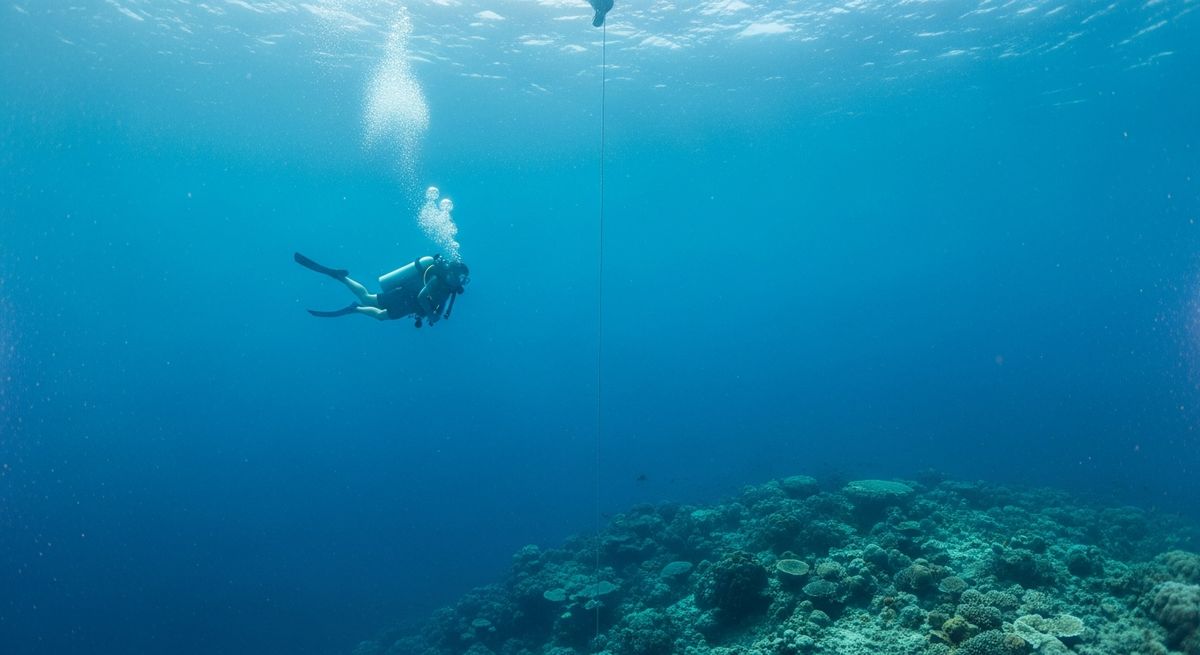
Cockscomb Island, just a couple of hours from Kawthaung, is a curious spot often chosen for a last, easy dive. We're talking about a limestone island with a lagoon tucked inside, accessible through several low openings in the rock. It's a shallow dive, maybe two to three meters deep, where you fin through these narrow passages into a sunlit natural pool. Inside, it's mostly rock walls and a calm, protected environment – more of a unique geological experience than a coral bonanza. Think schools of small fish flitting in and out of crevices and the cool feel of the rock. It's perfect for a relaxed finish to a trip, especially if you appreciate interesting topography.
Nearest Dive Centres to Cockscomb Island
Dive shops near Cockscomb Island
View all dive centres in Mergui ArchipelagoReviews for Cockscomb Island
Conditions
Ocean conditions, forecast and tides for Cockscomb Island
Cockscomb Island Ocean Conditions
Monthly averages for Cockscomb Island, sourced from Open-Meteo marine data + Copernicus Marine (EU) - nearest station: Open-Meteo marine grid (9.78, 97.85) (1km away)
October Averages
Sea Temperature
29°C
85°F · Range: 28–30.5°C
Current Speed
5.39 cm/s
Direction: S (201.8°)
Salinity
29.12 PSU
Based on 4 years of monitoring data · Data sources: Open-Meteo marine data + Copernicus Marine (EU)
Plan & book
Ways to dive Mergui Archipelago, from day trips to liveaboards.
Day trips & courses
via GetYourGuideGuided dives, courses and snorkel trips with instant booking.
Find dive trips in Mergui ArchipelagoPlaces to stay
via Booking.comHotels and dive resorts near Mergui Archipelago.
Search stays in Mergui ArchipelagoDive insurance
Most travel insurance excludes or limits scuba. Check what you need before you go.
Dive insurance explainedPartner links: we may earn a commission if you book, at no extra cost to you. How we make money
Where to Stay near Cockscomb Island
Prices from Booking.com. We may earn a commission at no extra cost to you.