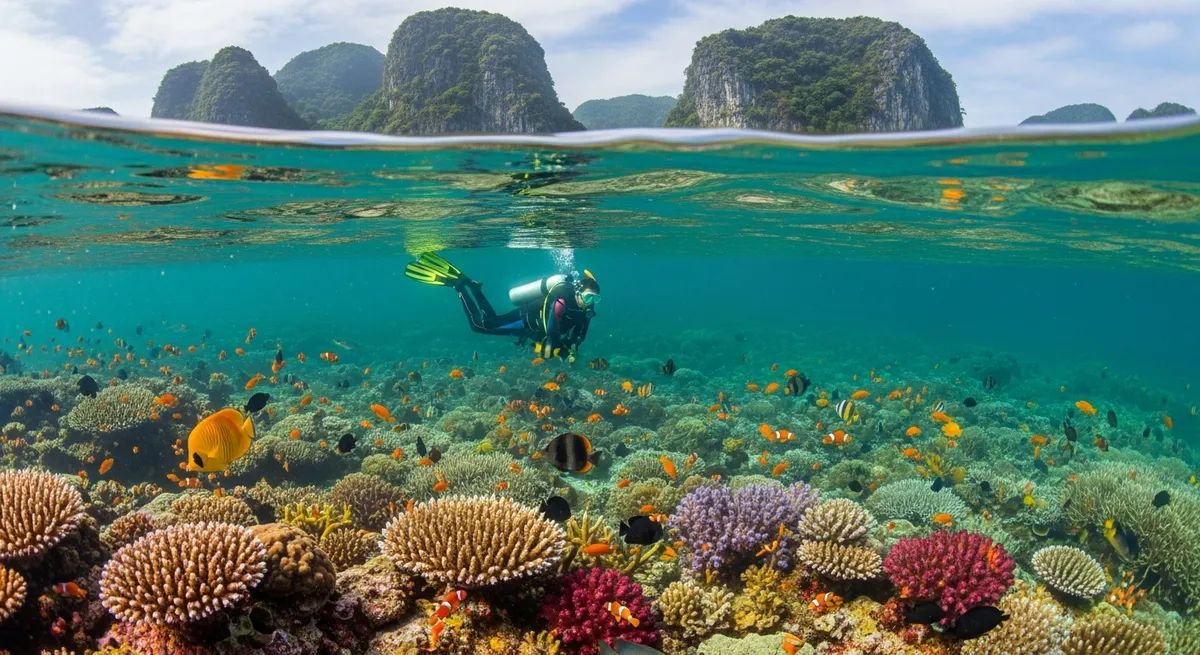

Diving in Vietnam
Why dive here
Vietnam offers rich diving, with 211+ marine species recorded in its waters - including giant moray eels, seahorses, sea turtles and pufferfish. Water ranges 25-30°C, warmest June, August, September.
Vietnam’s dive scene is still finding its feet, but that's precisely what makes it exciting. You won't find the big pelagic action of some other Southeast Asian spots, but what you will get is a chance to explore sites that feel genuinely new, often with just your group and the local dive guide. We’ve had some fantastic dives around the Con Dao Islands, where the protected waters have healthier coral and more regular sightings of creatures like the sneaky wrasse and the colourful Diana’s hogfish than you'd expect. Over on Whale Island and in Van Phong Bay, it's all about the macro - think blotchfin scorpionfish tucked into crevices and common dragonets dancing in the sand. Visibility can be a bit hit or miss, especially during the rainy season, so we'd aim for May to September when the calmer seas give you the best chance to spot those black angelfish and golden-yellow cones. If you're looking for an honest, unpretentious dive trip with plenty of local flavour, Vietnam deserves a closer look.
Vietnam Dive Regions Map
Vietnam Dive Regions
5 diving areas in Vietnam
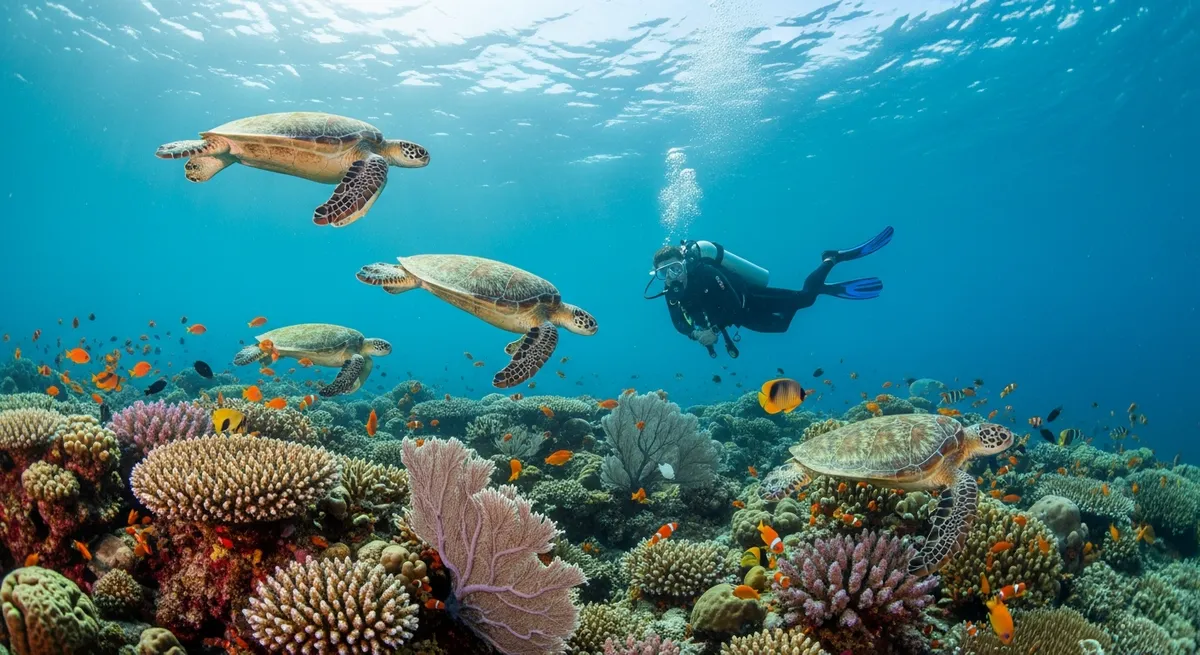
Con Dao Islands
Remote archipelago off Vietnam's south coast with pristine reefs, green turtle nesting beaches, and dugong sightings in protected waters.
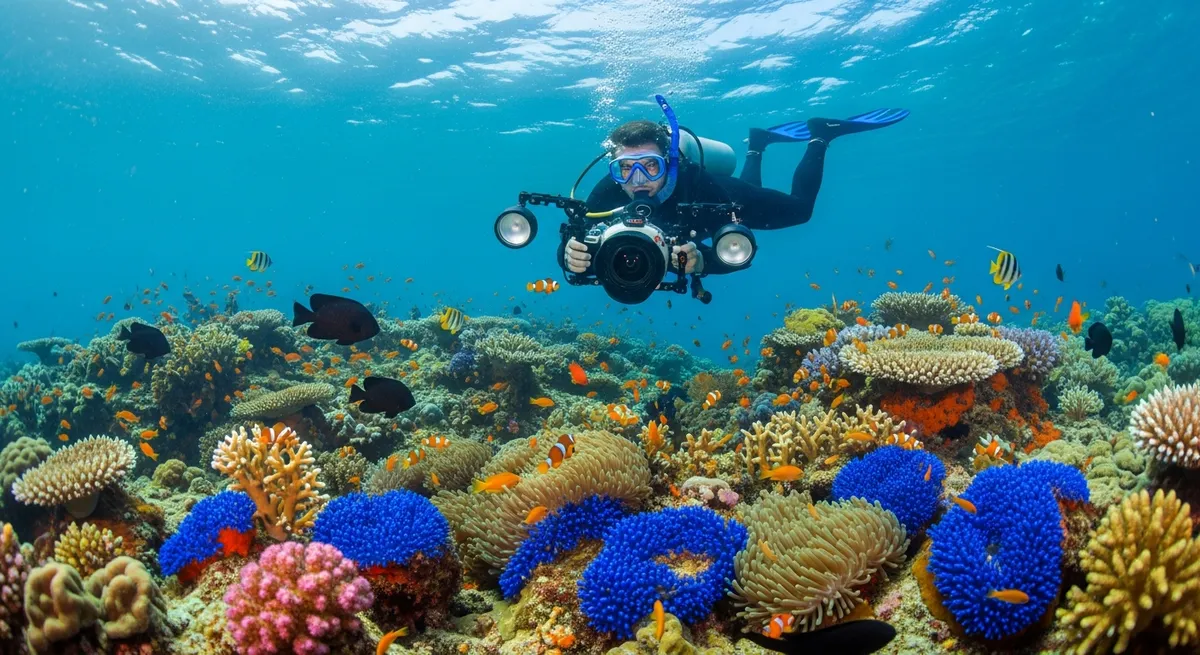
Hoi An & Cu Lao Cham
Hoi An and Cu Lao Cham offer a really unique blend of diving and culture, especially since you’re right on the doorstep of the ancient town. We love how easy it is to combine a morning underwater with an afternoon exploring the old streets. The diving itself around the Cu Lao Cham Marine Park often feels like a well-kept secret, though we’ve seen a few more boats lately. You'll find gentle coral gardens, mostly at depths around 10 to 18 metres, with plenty of reef fish like fusiliers and damselfish flitting about. Keep your eyes peeled for nudibranchs, particularly the Common delphinula, which we find beautiful. Visibility can be a bit variable, averaging 10-15 metres, but on a good day, the light plays wonderfully through the shallows. We've had a few incredible encounters with loggerhead turtles here, slowly making their way across the reef, completely unfazed by us. We’d suggest going in the morning to beat the heat and catch the best light. It’s not a place for huge pelagics, but if you’re into macro and enjoying a quiet reef, it’s a winner.
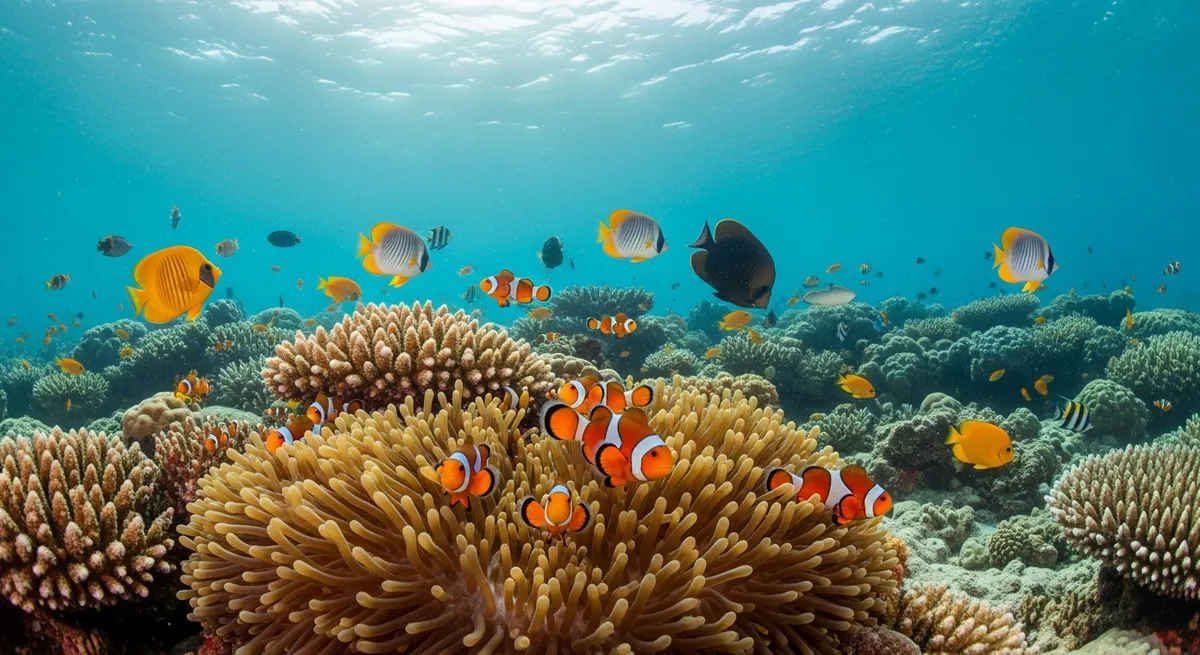
Nha Trang
Nha Trang has long been Vietnam’s dive hub, and we think it earns that reputation for straightforward, colourful diving. Mostly, you’ll be exploring the reefs within the Hon Mun Marine Protected Area, and we’re big fans of the soft coral displays here. Expect plenty of nudibranchs if you’ve got a good eye, and for macro lovers, there’s a solid chance of spotting seahorses tucked into the coral. What we love most about Nha Trang is its accessibility. The dive sites are generally shallow and calm, making it a brilliant spot for newer divers or those looking for an easy day out underwater. Visibility hovers around 10-15 metres on a good day, but sometimes drops lower, so don’t expect wide-angle perfection. Instead, focus on the details: the Cleaner Mimic darting around, the tiny Sidespotted Dragonets on the sand, or a bold Grammistes Blenny peeking from a crevice. We’ve had some cracking dives just watching the Bicolor Chromis schooling above the coral heads. Dive early to beat the crowds, especially at more popular sites, and keep an eye out for Centreboard Leatherjackets schooling in the blue. It’s not grand pelagic action, but for relaxed, colourful reef time, Nha Trang is a solid choice.
Phu Quoc
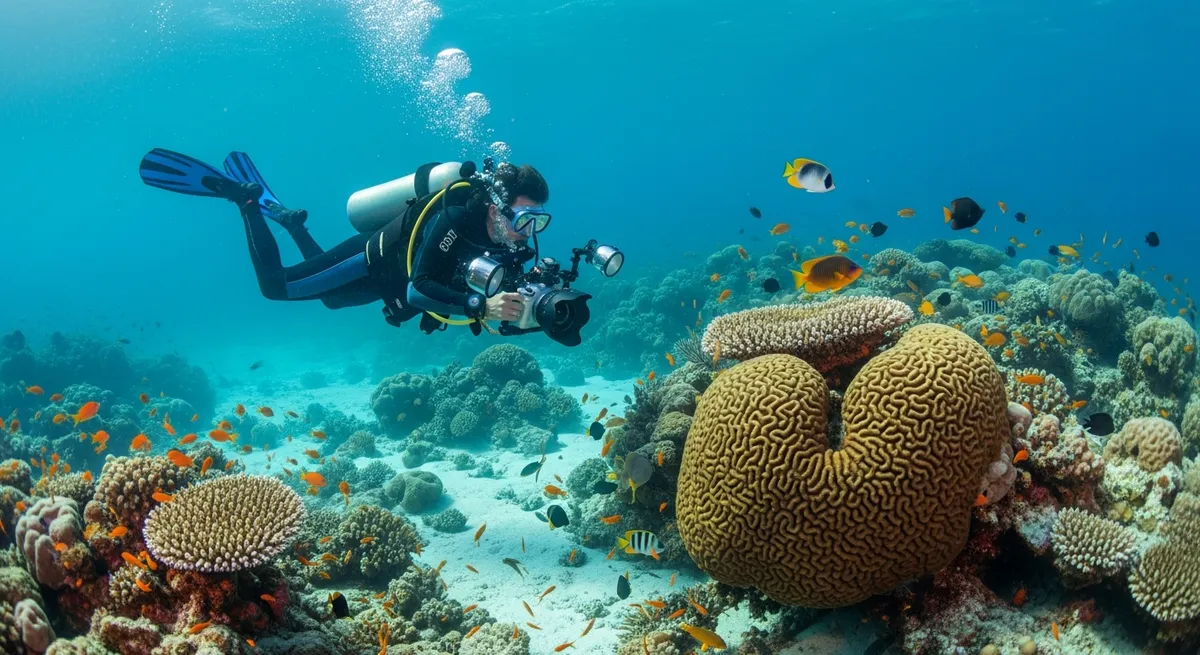
Gulf of Thailand island paradise with healthy coral reefs, gentle currents, and abundant tropical fish. An emerging destination.
Whale Island & Van Phong Bay
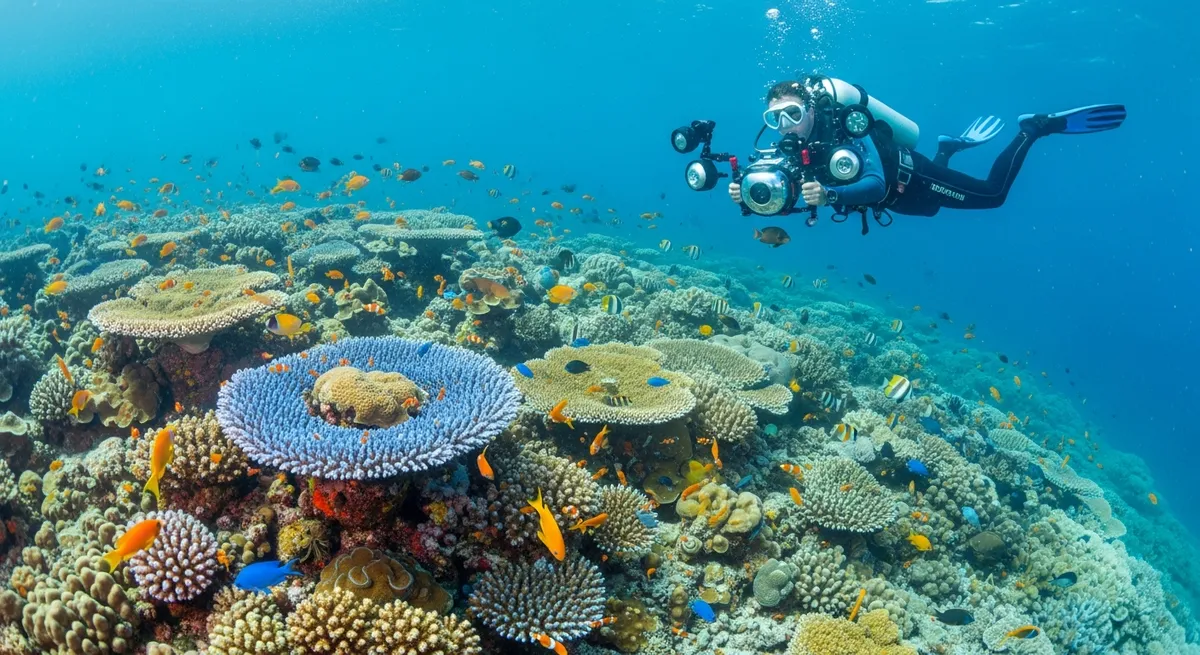
A remote bay with seasonal whale shark visits and healthy reef systems.
Ocean Wildlife in Vietnam
211 species recorded in Vietnam
Vietnam Visa Requirements
Check if you need a visa to dive in Vietnam
Plan & book
Ways to dive Vietnam, from day trips to liveaboards.
Day trips & courses
via GetYourGuideGuided dives, courses and snorkel trips with instant booking.
Find dive trips in VietnamPlaces to stay
via Booking.comHotels and dive resorts near Vietnam.
Search stays in VietnamDive insurance
Most travel insurance excludes or limits scuba. Check what you need before you go.
Dive insurance explainedPartner links: we may earn a commission if you book, at no extra cost to you. How we make money