Dive Insurance: DAN vs Divers Alert vs Travel Insurance Compared
By DivePlnr Editorial Team | Published April 2026 | Updated April 2026
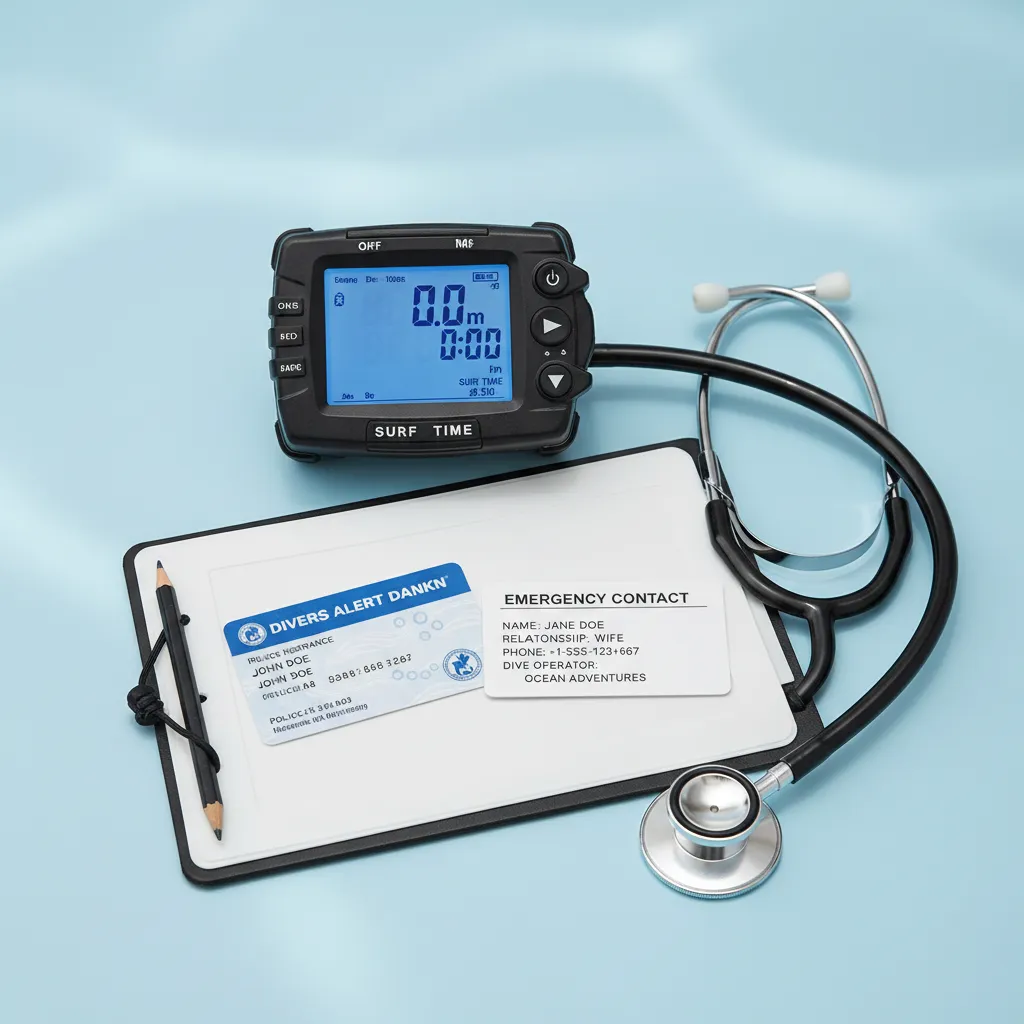
A single hyperbaric chamber session can cost anywhere from $5,000 to $50,000 or more. Dive insurance is one of the cheapest investments you can make relative to the financial risk it covers. This guide breaks down the major providers and explains exactly what you need.
Why Every Diver Needs Dedicated Insurance
Most standard travel insurance policies either exclude scuba diving entirely or limit coverage to shallow recreational depths. If you suffer a diving accident - decompression sickness, arterial gas embolism, or a lung over-expansion injury - you could face staggering medical bills without the right policy. Hyperbaric oxygen therapy, the primary treatment for decompression sickness, runs $5,000 to $50,000+ depending on the number of sessions and your location. Emergency evacuation from a remote dive destination can easily add another $30,000 to $100,000.
DAN (Divers Alert Network) - The Industry Standard
DAN is the most recognised name in dive insurance and operates as a non-profit dedicated to dive safety research. There are several regional DAN organisations, each covering different parts of the world:
- DAN America - covers the Americas; plans from ~$40/year for individuals
- DAN Europe - covers Europe, Africa, and parts of Asia; plans from ~€65/year
- DAN Asia-Pacific - covers Asia-Pacific region; plans from ~$50 AUD/year
- DAN Southern Africa - covers sub-Saharan Africa
DAN plans typically include emergency medical evacuation, hyperbaric treatment, and access to the DAN 24/7 emergency hotline staffed by dive medicine specialists. Higher-tier plans add trip cancellation, lost equipment, and non-diving medical coverage.
Specialist Dive Insurance Providers
Beyond DAN, several specialist insurers cater specifically to divers:
- Dive Assure - flexible plans with worldwide coverage, including technical diving
- DIVE.IN by Wärtsilä - popular in Europe, integrates with liveaboard bookings
- IMG (International Medical Group) - offers dive-specific riders on travel medical plans
These providers understand diving risks and won't quibble about depth limits the way general travel insurers often do.
Standard Travel Insurance - When It Falls Short
Many travel insurance policies include an "adventure sports" add-on that technically covers scuba diving. The catch? Read the fine print carefully:
- Depth limits - many cap coverage at 18m or 30m, excluding deeper recreational dives
- Certification required - some policies only cover certified divers, leaving Discover Scuba participants unprotected
- Exclusions - solo diving, technical diving, and nitrox use are often excluded
- Hyperbaric treatment - may have low sub-limits (e.g. $5,000) that won't cover the full cost
- Evacuation caps - general policies may cap evacuation at $25,000, well below actual costs from remote atolls
Cost Comparison
| Provider | Annual Cost (approx.) | Chamber Coverage | Evacuation | Tech Diving |
|---|---|---|---|---|
| DAN America (basic) | $40-75 | $500,000 | $150,000 | Add-on |
| DAN Europe (basic) | €65-120 | Unlimited | Included | Add-on |
| Dive Assure | $95-200 | $500,000 | $250,000 | Included |
| Typical travel insurance | $50-150 | $5,000-25,000 | $25,000 | Excluded |
Liveaboard-Specific Considerations
If you're planning a liveaboard trip, insurance becomes even more critical. You're often far from the nearest hospital, which means evacuation costs are higher. Look for policies that cover trip interruption - if the boat breaks down or weather cancels part of your itinerary, you want reimbursement. DAN's higher-tier plans and Dive Assure both offer solid liveaboard coverage.
Our Recommendation
For most recreational divers, a DAN membership plus their basic dive accident insurance is the best value. It costs less than a single tank fill per month and provides peace of mind that no regular travel policy can match. If you travel frequently or do technical diving, consider Dive Assure for broader coverage.
Key Takeaways
- 1Hyperbaric chamber treatment costs $5,000–$50,000+ - dedicated dive insurance covers this for as little as $40/year
- 2DAN (Divers Alert Network) is the industry standard with regional organisations covering every continent
- 3Standard travel insurance often has depth limits, low sub-limits for chamber treatment, and exclusions for technical diving
- 4Liveaboard divers need extra attention to evacuation coverage and trip interruption benefits
- 5Always read the fine print - check depth limits, certification requirements, and hyperbaric treatment caps
Frequently Asked Questions
Is dive insurance mandatory?
It's not legally required in most places, but many liveaboard operators and some dive centres require proof of dive insurance before allowing you to dive. Regardless of requirements, the financial risk of an uninsured diving accident makes it a near-essential purchase.
Does DAN membership include insurance?
DAN membership and insurance are separate products. Membership gives you access to safety resources and the emergency hotline. You need to purchase a dive accident insurance plan separately, though they're often bundled at checkout.
Can I buy dive insurance for a single trip?
Yes. DAN and most specialist providers offer both annual and short-term plans. However, annual plans are usually better value if you dive more than once a year - DAN's basic annual plan costs about the same as two short-term trip policies.