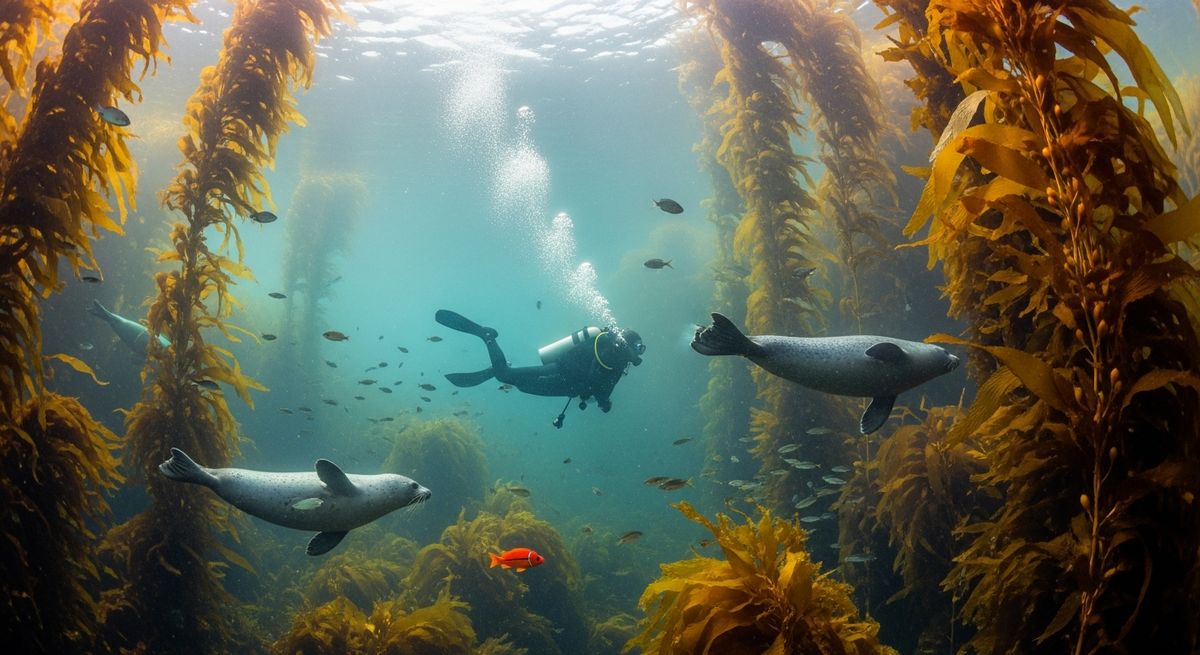
How to Dive the Exumas
Protected Area
Exuma Cays Land & Sea Park
Why dive here
With 348+ marine species recorded in the area - including barracuda, dolphins, humpback whales, lemon sharks and octopuses - How to Dive the Exumas offers some of Exuma Cays's richest diving. Water ranges 25-31°C, warmest July, August, September.
The Exuma Cays are a sprawling network of islands, all strung out over a substantial stretch of the Caribbean. Thinking about diving here means thinking about logistics, first and foremost. This isn't a place you just pop into for a quick shore dive; a liveaboard is really your only practical option for getting to the good spots. We're talking about a lot of open water, so be prepared for some cruising between sites. You’ll find walls that drop into the blue and some surprisingly healthy shallow reefs, often with plenty of reef sharks cruising by. It’s a trip best suited for divers who enjoy being out at sea for a few days, happy with the rhythm of boat life and keen to explore a range of sites without the daily grind of port calls.
Reviews for How to Dive the Exumas
Conditions
Ocean conditions, forecast and tides for How to Dive the Exumas
How to Dive the Exumas Ocean Conditions
Monthly averages for How to Dive the Exumas, sourced from Open-Meteo marine data + Copernicus Marine (EU) - nearest station: Open-Meteo marine grid (24.5, -76.7) (3km away)
October Averages
Sea Temperature
29°C
85°F · Range: 28.1–30.8°C
Current Speed
7.21 cm/s
Direction: NW (326.3°)
Chlorophyll-a
0.082 mg/m³
Very clear (oligotrophic)
Salinity
36.68 PSU
Based on 4 years of monitoring data · Data sources: Open-Meteo marine data + Copernicus Marine (EU)
Plan & book
Ways to dive Exuma Cays, from day trips to liveaboards.
Day trips & courses
via GetYourGuideGuided dives, courses and snorkel trips with instant booking.
Find dive trips in Exuma CaysPlaces to stay
via Booking.comHotels and dive resorts near Exuma Cays.
Search stays in Exuma CaysDive insurance
Most travel insurance excludes or limits scuba. Check what you need before you go.
Dive insurance explainedPartner links: we may earn a commission if you book, at no extra cost to you. How we make money
Where to Stay near How to Dive the Exumas
Prices from Booking.com. We may earn a commission at no extra cost to you.