Diving in Bonaire
Why dive here
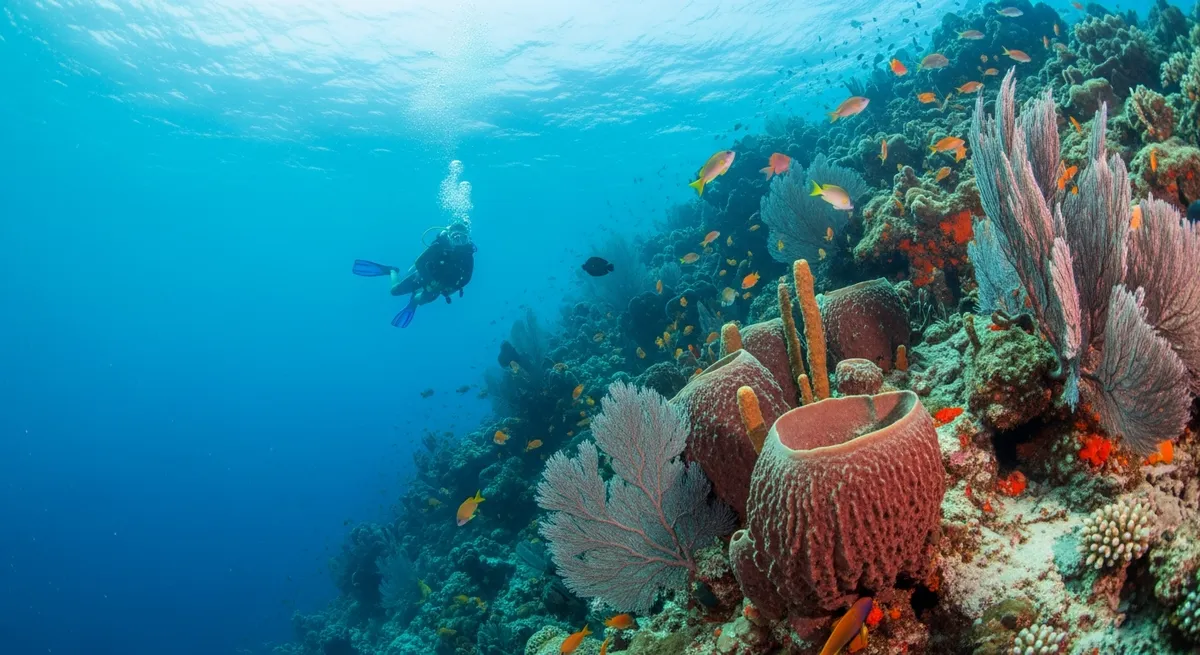
Bonaire offers rich diving, with 192+ marine species recorded in its waters - including barracuda, blue sharks, orcas, sea turtles and sperm whales. Water ranges 27-30°C, warmest September, October, November.
Bonaire earns its 'shore diving capital' title honestly, with yellow rocks marking entry points for 80-plus sites along the coast. The sheer accessibility is what makes it special; we love the freedom of gearing up at your own pace, slipping into the water, and surfacing when you’re done, often right in front of your accommodation. Most of the action is along the west coast and around Klein Bonaire, where the reefs stay healthy and the fish populations, like the endless schools of Sergeant Majors or cruising parrotfish, are consistently good. It’s not about huge pelagics here, but rather the smaller, unique critters - we’ve spent hours hunting for Bearded Fireworms or watching Spotfin Dragonets on a night dive. Conditions are pretty consistent year-round, warm water and generally mild currents, making it an easy trip any time.
Bonaire Dive Regions Map
Bonaire Dive Regions
2 diving areas in Bonaire
Bonaire West Coast
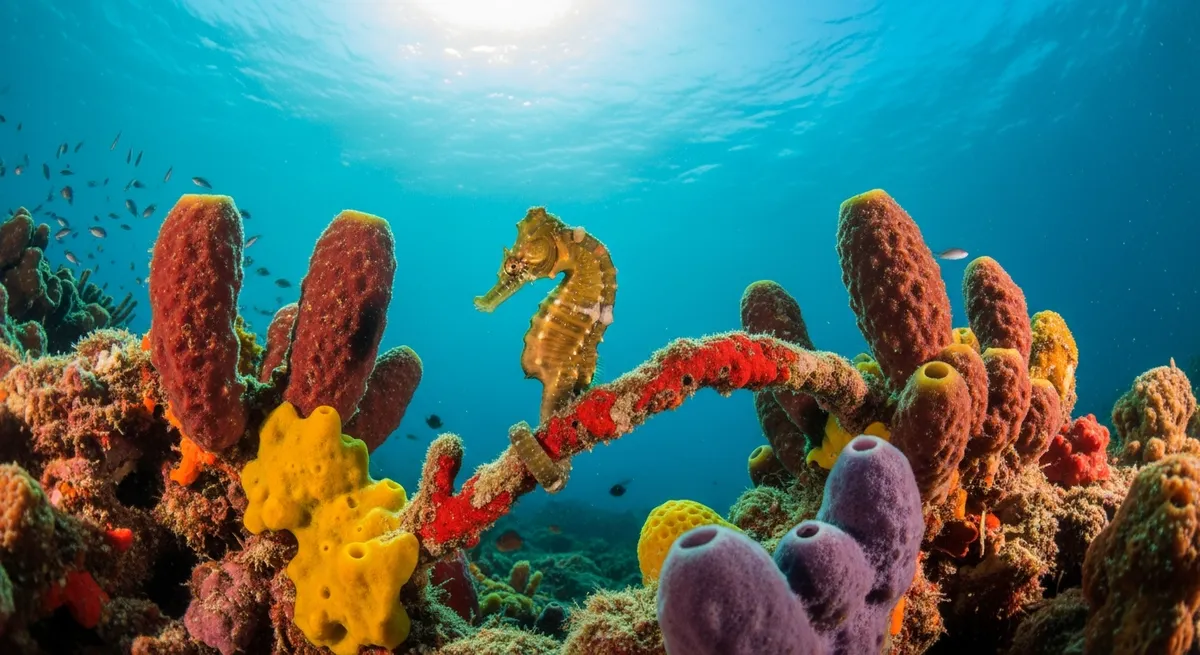
The leeward west coast is Bonaire's primary diving area with over 60 marked shore dive sites along the coastal road. Each site is numbered with a yellow painted stone, making navigation easy. Expect pristine coral gardens, seahorses, and frogfish.
Klein Bonaire
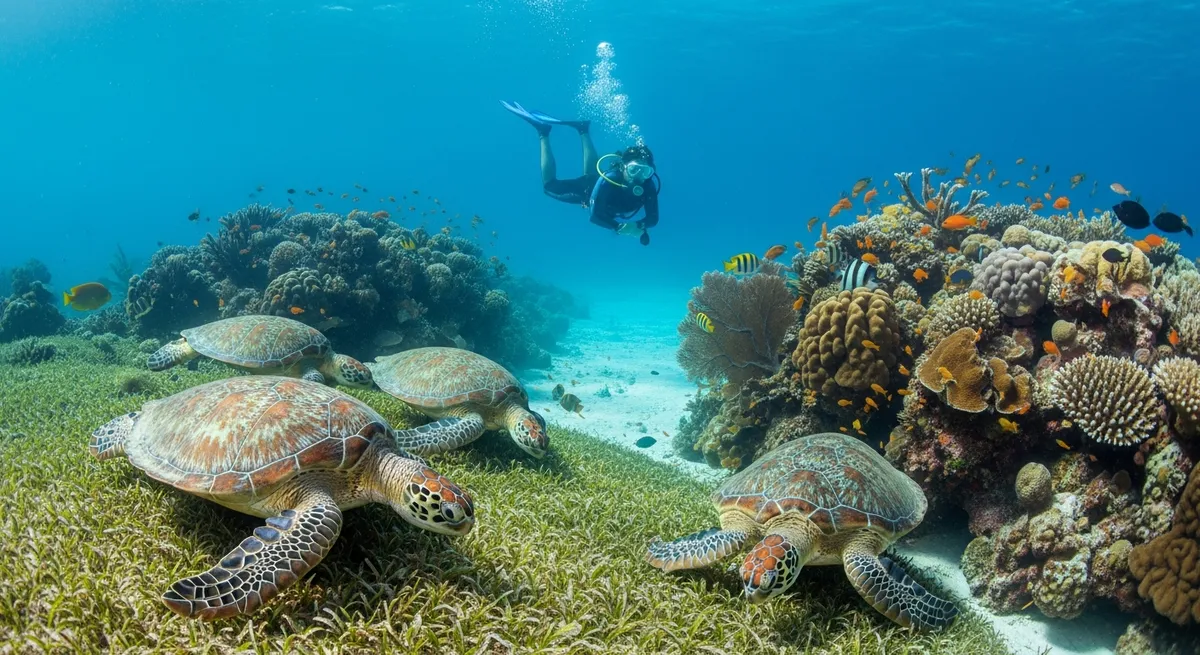
Klein Bonaire is our happy place when we’re looking for a truly relaxed dive. That short boat ride across from the main island always feels like leaving the crowds behind, even if you’re sharing the water with a few other boats. We especially love the sites along the west side, like Sampler and Jerry’s Reef. Drop in there and you're instantly among some seriously healthy elkhorn and staghorn corals, which isn't always a given these days. Visibility here is usually fantastic, often pushing past 30 metres, which lets you really appreciate the scale of the reef. We’ve had some memorable encounters with Dark Green Parrotfish here, just chugging along, oblivious to us, and the Sharpnose Pufferfish always make us smile. Keep an eye out for manatee grass beds in the shallower areas, a great place to spot the unusual Antilles Glass-slug if you’ve got a keen eye. While it's all generally pretty calm, we find the late morning often offers the best light, with the sun hitting the corals just right. It’s a perfect spot for beginners, or frankly, anyone who wants an easy, beautiful dive without much fuss.
Ocean Wildlife in Bonaire
192 species recorded in Bonaire
Bonaire Visa Requirements
Check if you need a visa to dive in Bonaire
Plan & book
Ways to dive Bonaire, from day trips to liveaboards.
Day trips & courses
via GetYourGuideGuided dives, courses and snorkel trips with instant booking.
Find dive trips in BonairePlaces to stay
via Booking.comHotels and dive resorts near Bonaire.
Search stays in BonaireDive insurance
Most travel insurance excludes or limits scuba. Check what you need before you go.
Dive insurance explainedPartner links: we may earn a commission if you book, at no extra cost to you. How we make money