Escorpiones
Protected Area
Marino las Baulas de Guanacaste
Why dive here
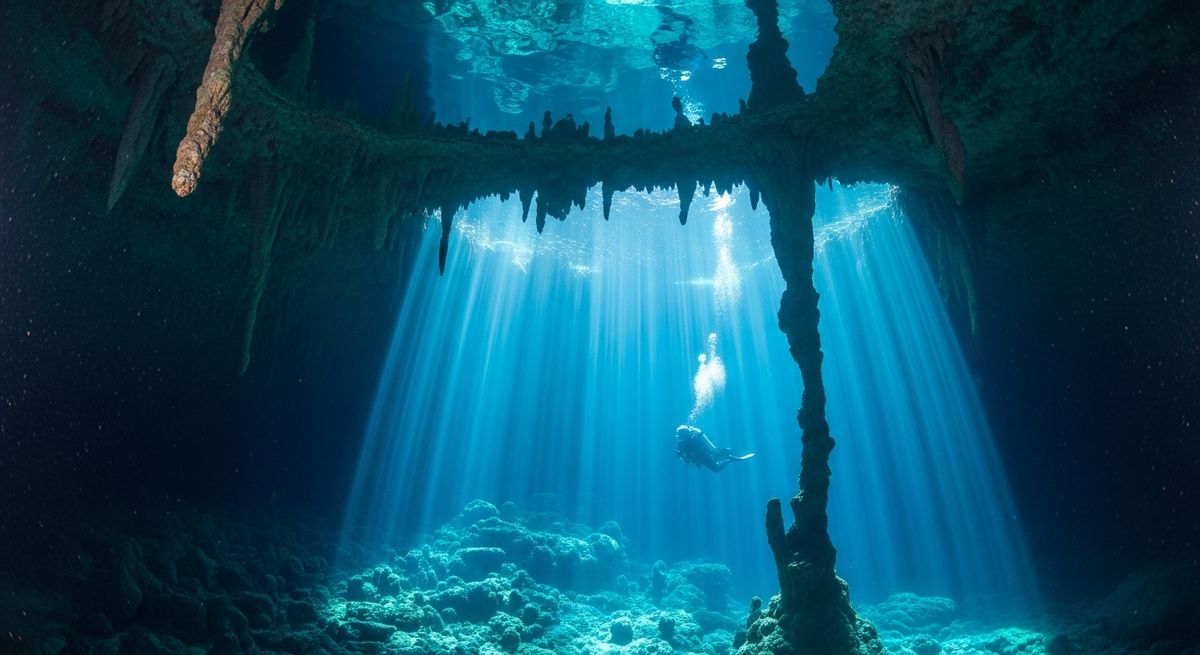
With 217+ marine species recorded in the area - including dolphins, humpback whales, orcas, sea turtles and pufferfish - Escorpiones offers some of Caribbean Coast's richest cave diving. Water ranges 29-31°C, warmest March, April, May.
Escorpiones is one of those sites we always recommend to divers who appreciate the small stuff but still want a shot at something bigger. It’s a shallow ledge, mostly between 10 and 15 metres, which means plenty of bottom time to really explore. We find ourselves constantly peering into the rocky crevices here, where a menagerie of critters hide. Look for the little guys: Bluntspine Blennies peeking out, Banded Wrasses darting through the coral, and an octopus or two tucked away. It’s not all micro-fauna, though. The sandy patches between the rocks are where you might spot something like a graceful Graceful Mojarra or even a cruising Big-eye Trevally. On a good day, we’ve even seen a Roosterfish patrol the edges. Visibility averages around 11 metres, which is decent for the Caribbean coast, giving you enough clarity to appreciate the vibrant colours of the Chameleon Wrasse or the intricate patterns of a Spiderweb Cone Snail. This site really suits divers who like to take it slow, who enjoy a treasure hunt for macro life, but also appreciate the chance encounter with larger fish.
Safety Notes
Overhead environment - never enter without proper cave/cavern training, redundant equipment, and a guideline.
Nearest Dive Centres to Escorpiones
Dive shops near Escorpiones
Summer Salt Dive Center
Summer Salt
Rich Coast Diving
Deep Blue Driving
Rockdivers Pick up
TikiHut Watersports Coco (located near Bosque del Mar hotel in playa Hermosa)
Reviews for Escorpiones
Conditions
Ocean conditions, forecast and tides for Escorpiones
Escorpiones Ocean Conditions
Monthly averages for Escorpiones, sourced from Open-Meteo marine data + Copernicus Marine (EU) - nearest station: Open-Meteo marine grid (9.78, -84.89) (48km away)
October Averages
Sea Temperature
29°C
85°F · Range: 27.9–31.1°C
Current Speed
5 cm/s
Direction: N (0°)
Chlorophyll-a
0.142 mg/m³
Clear water
Salinity
28.81 PSU
Based on 4 years of monitoring data · Data sources: Open-Meteo marine data + Copernicus Marine (EU)
Plan & book
Ways to dive Caribbean Coast, from day trips to liveaboards.
Day trips & courses
via GetYourGuideGuided dives, courses and snorkel trips with instant booking.
Find dive trips in Caribbean CoastPlaces to stay
via Booking.comHotels and dive resorts near Caribbean Coast.
Search stays in Caribbean CoastDive insurance
Most travel insurance excludes or limits scuba. Check what you need before you go.
Dive insurance explainedPartner links: we may earn a commission if you book, at no extra cost to you. How we make money
Where to Stay near Escorpiones
Prices from Booking.com. We may earn a commission at no extra cost to you.