Diving in Costa Rica
Why dive here
Costa Rica offers rich diving, with 442+ marine species recorded in its waters - including blacktip reef sharks, blue sharks, dolphins, eagle rays and giant moray eels. Water ranges 28-30°C, warmest March, April, May.
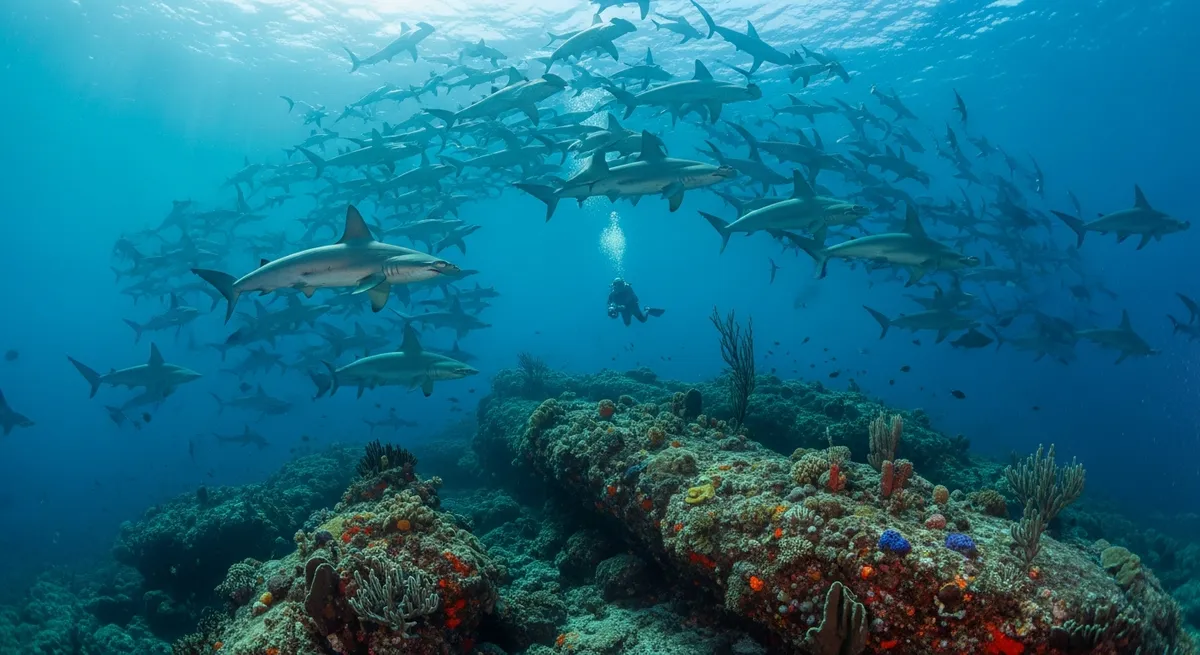
Costa Rica is really a tale of two very different diving experiences, and to be honest, it’s all about Cocos Island. Yes, the mainland Pacific coast out of Guanacaste has its moments, with schooling mobula rays and the occasional whale shark if you’re lucky, but we find the real draw here is that remote, rugged island. Cocos is an honest-to-goodness pelagic magnet, a place where you dive into hundreds of hammerheads circling overhead, the water thick with them. We’re talking big animal action, often with some current to contend with, so it's best for experienced divers. Forget the Caribbean side; that's more for mellow reef dives if you happen to be in the area, but it won't be the main reason you fly all this way. If you want those epic, bucket-list encounters, save up for a liveaboard to Cocos; it’s an investment, but the payoff is substantial.
Costa Rica Dive Regions Map
Costa Rica Dive Regions
5 diving areas in Costa Rica
Caño Island
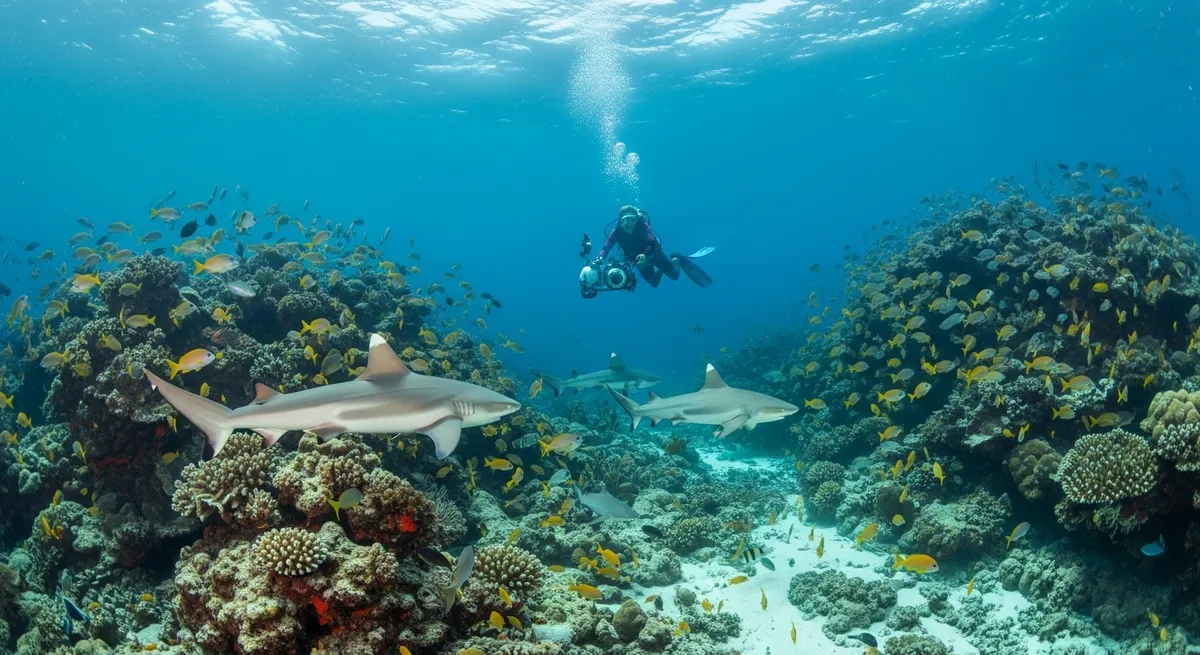
A biological reserve off the Osa Peninsula with bull sharks, manta rays, and white-tip reef sharks patrolling the rocky reef. Strong currents bring pelagic action.
Caribbean Coast
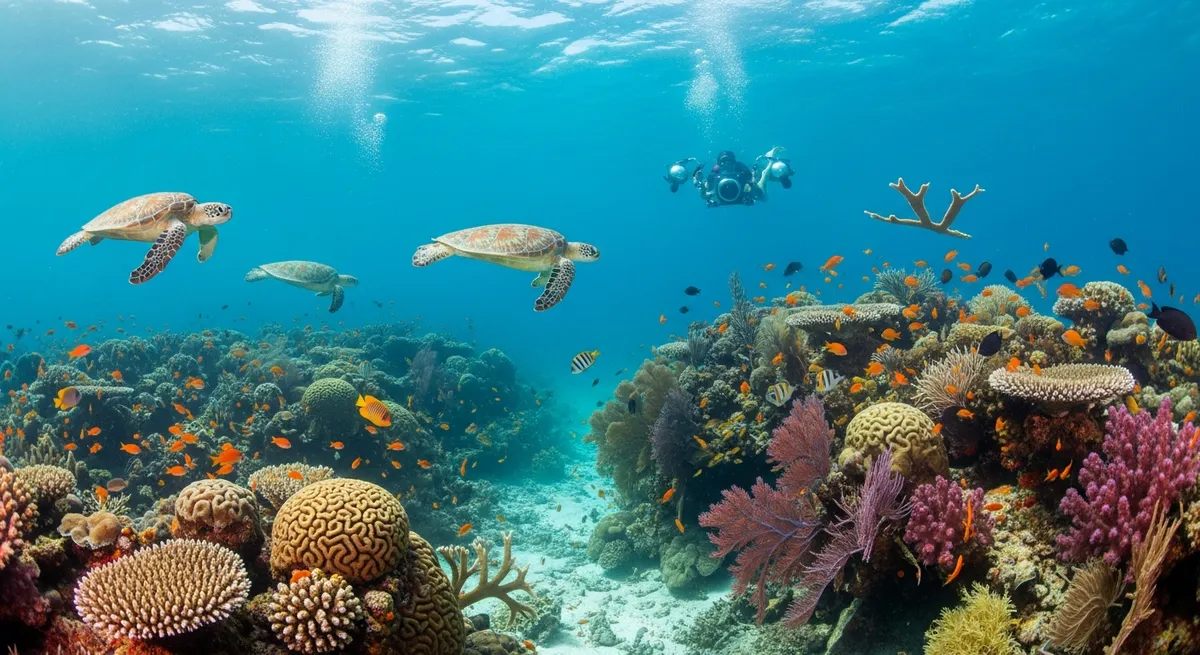
The Caribbean side of Costa Rica, particularly around Cahuita National Park and the Gandoca-Manzanillo Wildlife Refuge, offers a much different vibe from the Pacific. It's slower, more laid-back, and the diving reflects that. We’re not talking dramatic pelagics here, but instead a collection of really charming, intimate reef and wall dives, often with nurse sharks lounging under ledges. Visibility can swing - one day it's 20 metres and gorgeous, the next a storm has stirred things up, so we always recommend asking local shops for current conditions. Our favourite dives are the fringing reefs in Cahuita, where the corals feel ancient, full of nooks. You’ll spend most of your bottom time peering into crevices, spotting shy creatures like the Spotted snake-eel or the brilliantly camouflaged Opossum Pipefish. Keep an eye out for the Graceful Mojarra schooling in the shallows, their silver scales flashing. We’ve found the currents here are generally mild, making it a good spot for newer divers, though some of the deeper walls do get a gentle push. It’s less about big fish and more about the smaller, intricate details; the Barnacle Blenny peeking out, the peculiar Rounded batfish fluttering by. It’s a quiet dive, perfect for photographers who love macro.
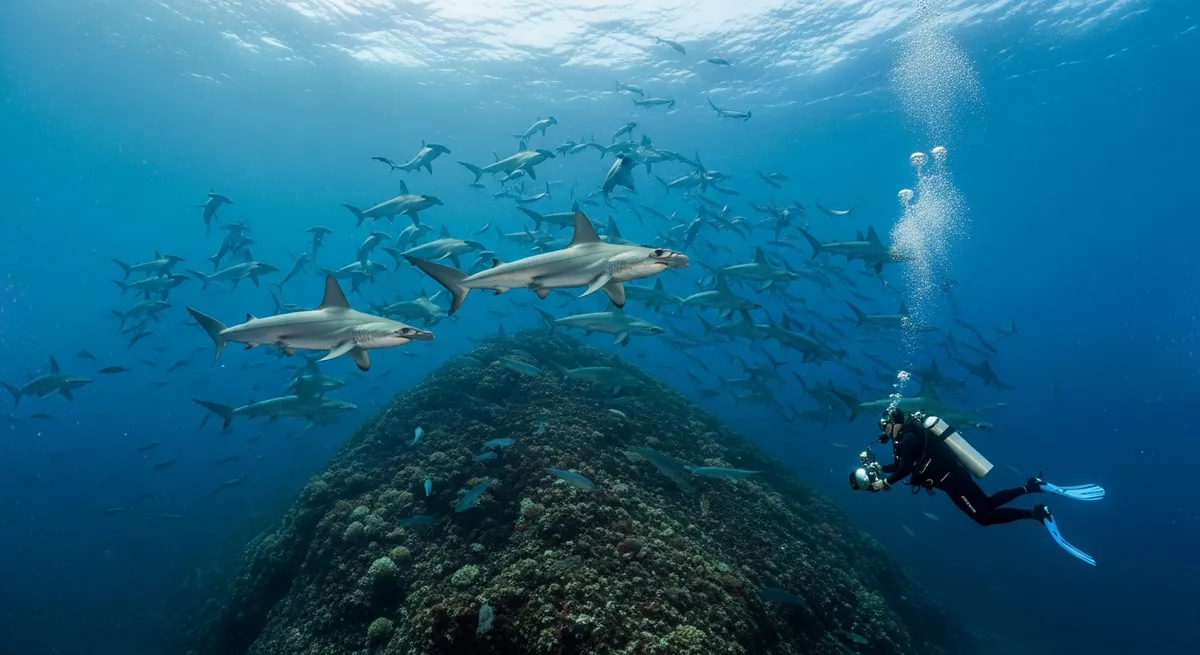
Cocos Island
Cocos Island, that speck 500km off Costa Rica, isn't a casual drop-in. This is serious blue water stuff, strictly for advanced divers who relish big pelagics and aren’t fazed by being truly isolated. We love Cocos for its sheer unapologetic wildness. Forget shore dives; it’s liveaboard territory, and worth every day of the journey. Dive in, and you’re instantly plunged into a frantic, chaotic ballet of marine life. Huge schools of hammerheads, sometimes hundreds strong, glide past, often trailed by a squadron of oceanic mantas. We’ve seen whale sharks cruise by at cleaning stations, seemingly unfazed by our presence. It’s an almost primal experience, feeling the surge of the open ocean against the pinnacles and seeing creatures that truly belong to the deep. Our favourite moments here always involve just hanging motionless, letting the current carry us, and watching the oceanic theatre unfold. Expect some serious drift dives, so good buoyancy and current awareness are non-negotiable. This place really demands your full attention, but it pays off with encounters you’ll recount for years.
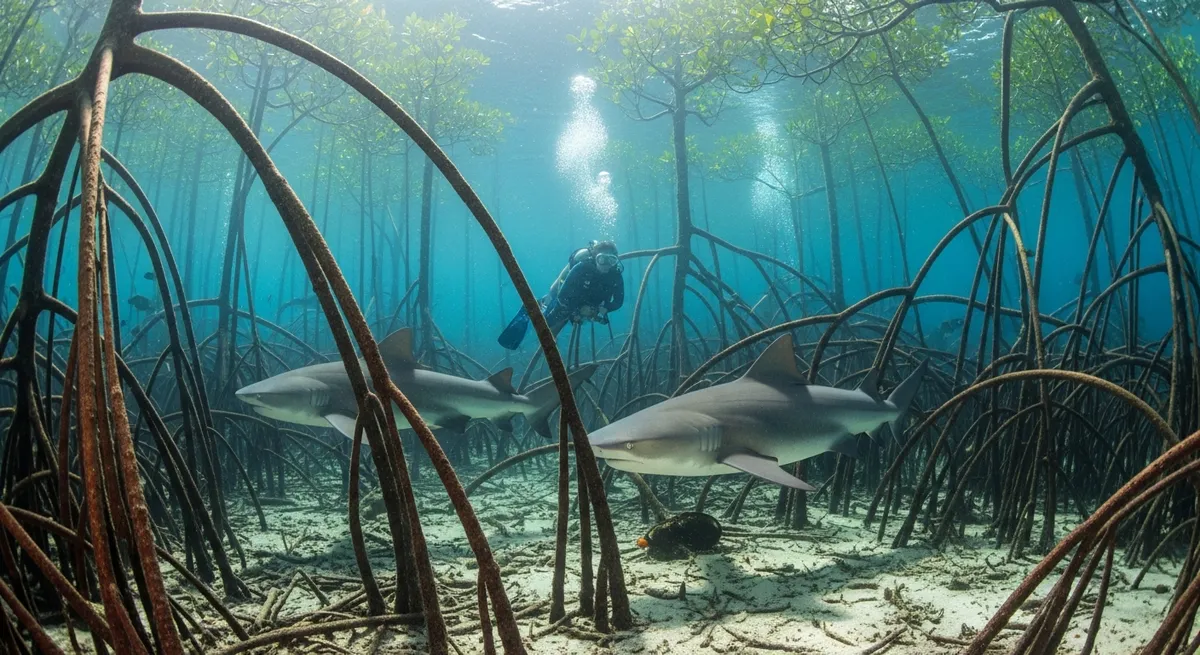
Golfo Dulce
A tropical fjord on the Osa Peninsula with whale and dolphin encounters, bull sharks, and mangrove diving in one of the most biodiverse places on Earth.
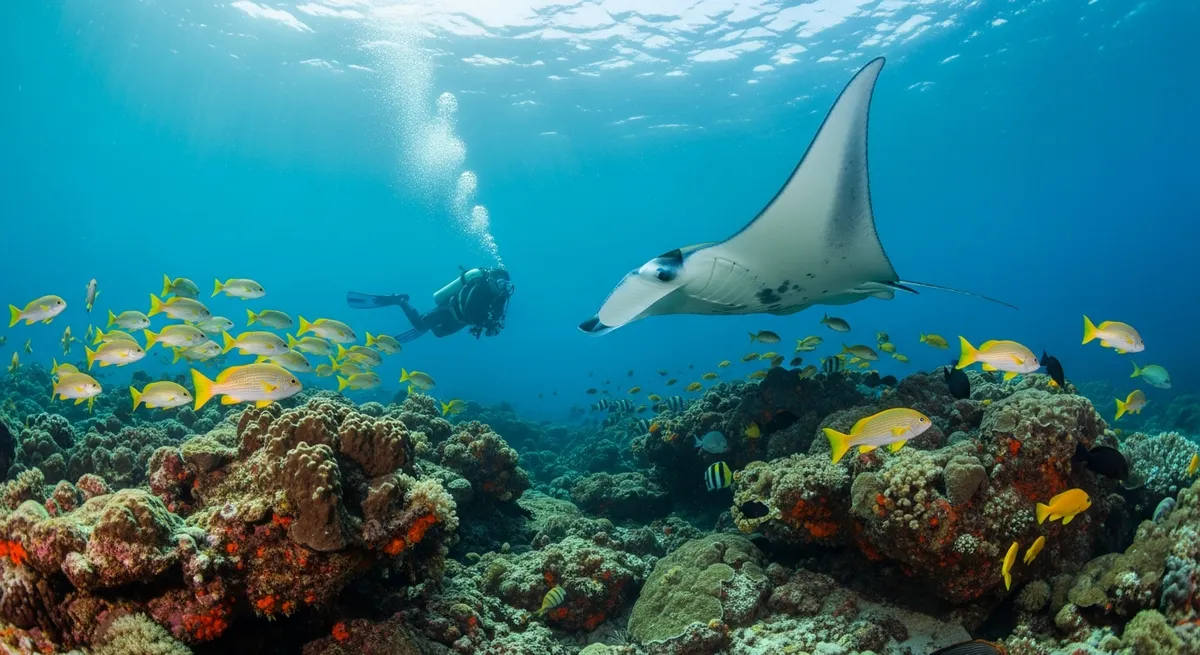
Guanacaste & Pacific Coast
Catalina and Bat Islands with seasonal bull sharks, giant mantas, and nutrient-rich Pacific diving.
Ocean Wildlife in Costa Rica
442 species recorded in Costa Rica
Costa Rica Visa Requirements
Check if you need a visa to dive in Costa Rica
Plan & book
Ways to dive Costa Rica, from day trips to liveaboards.
Day trips & courses
via GetYourGuideGuided dives, courses and snorkel trips with instant booking.
Find dive trips in Costa RicaPlaces to stay
via Booking.comHotels and dive resorts near Costa Rica.
Search stays in Costa RicaDive insurance
Most travel insurance excludes or limits scuba. Check what you need before you go.
Dive insurance explainedPartner links: we may earn a commission if you book, at no extra cost to you. How we make money