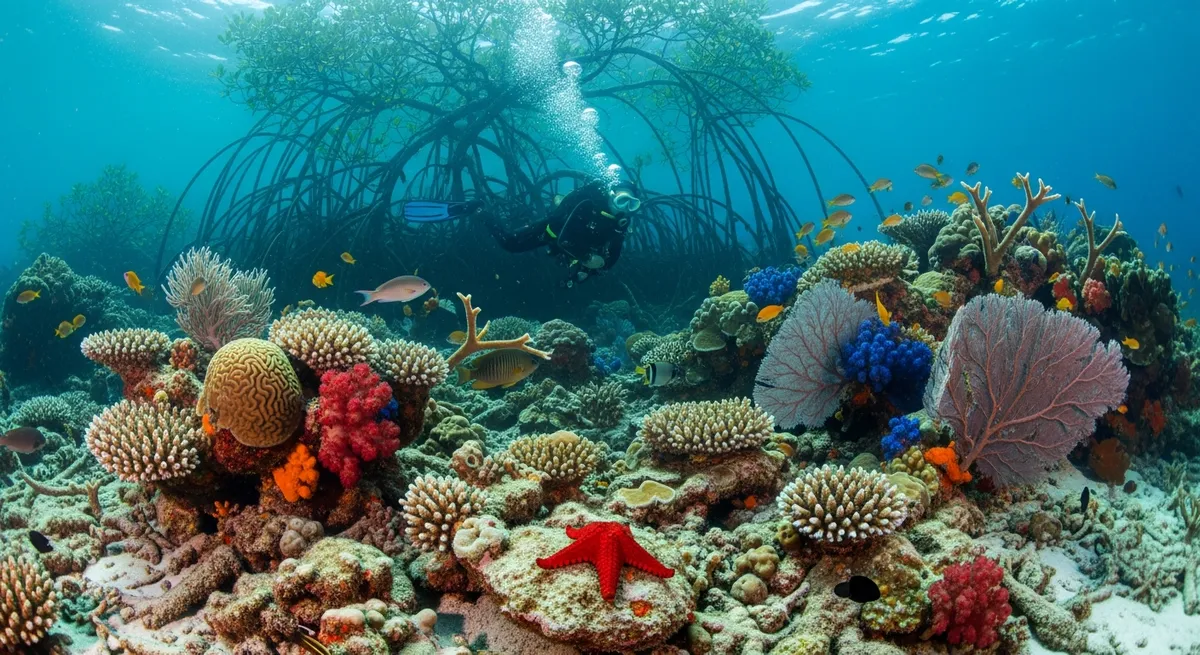
Diving in Panama
Why dive here
Panama offers rich diving, with 351+ marine species recorded in its waters - including barracuda, bull sharks, dolphins, eagle rays and giant moray eels. Water ranges 28-29°C, warmest January, August, December.
Panama’s a country that genuinely delivers on the "two oceans in one trip" promise, and that’s a big part of its appeal. We’d suggest focusing your time on either the Caribbean side’s Bocas del Toro for relaxed reef diving and incredible macro, or hitting the Pacific’s Coiba National Park for bigger pelagic encounters. Coiba often brings in whale sharks and manta rays, especially in the dry season from December to May, while Bocas has those nudibranchs and frogfish tucked into every crevice year-round. Don't expect dramatic coral walls everywhere, but what’s there is healthy, and the sheer variety across both coastlines makes for a really diverse trip. Just be aware of the currents in Coiba, they can be strong, but they also bring in the good stuff.
Panama Dive Regions Map
Panama Dive Regions
4 diving areas in Panama
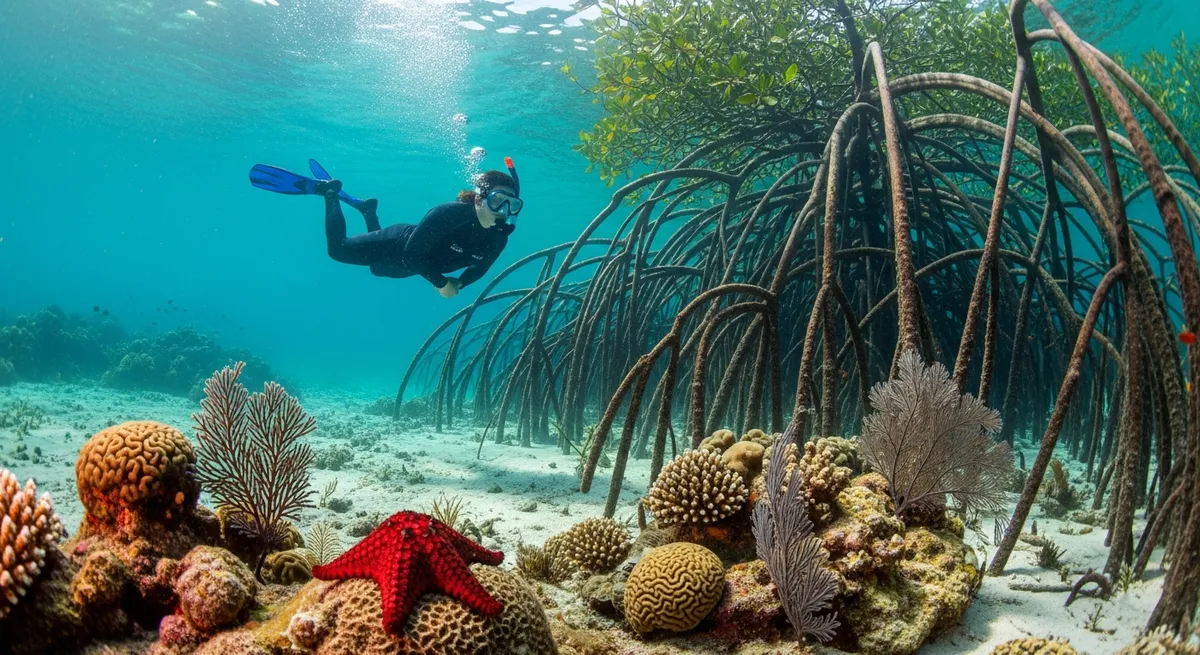
Bocas del Toro
Bocas del Toro diving is a quirky Caribbean affair, distinct from Panama’s Pacific side. We’re talking about a relaxed archipelago, where the current descriptions often mention “colourful coral gardens, mangrove channels, and frog fish,” and that’s a fair summary. You'll spend your surface intervals dodging rain showers and enjoying the lively town, then dive into spots where the visibility can swing from 25 metres to a murky 10. It’s not always gin-clear, but we love it for its character. Our favourite dives here are the ones that blend reef and structure. Think about drifting past a school of Atlantic spadefish, or spotting a surprisingly large barracuda lurking near a coral head. The wreck sites are more for atmosphere than pristine history, often hosting jewel morays and the occasional spotted sharpnose puffer. You’ll find some great macro life, especially if you have a keen eye for dragon wrasse and those famously camouflaged frog fish - they really do test your patience. We’d suggest focusing on the shallower sites and mangrove channels. That’s where you’ll usually find the best light, and where the blend of hard and soft corals really pops. Just be ready for the occasional strong surge. It’s the Caribbean, after all.
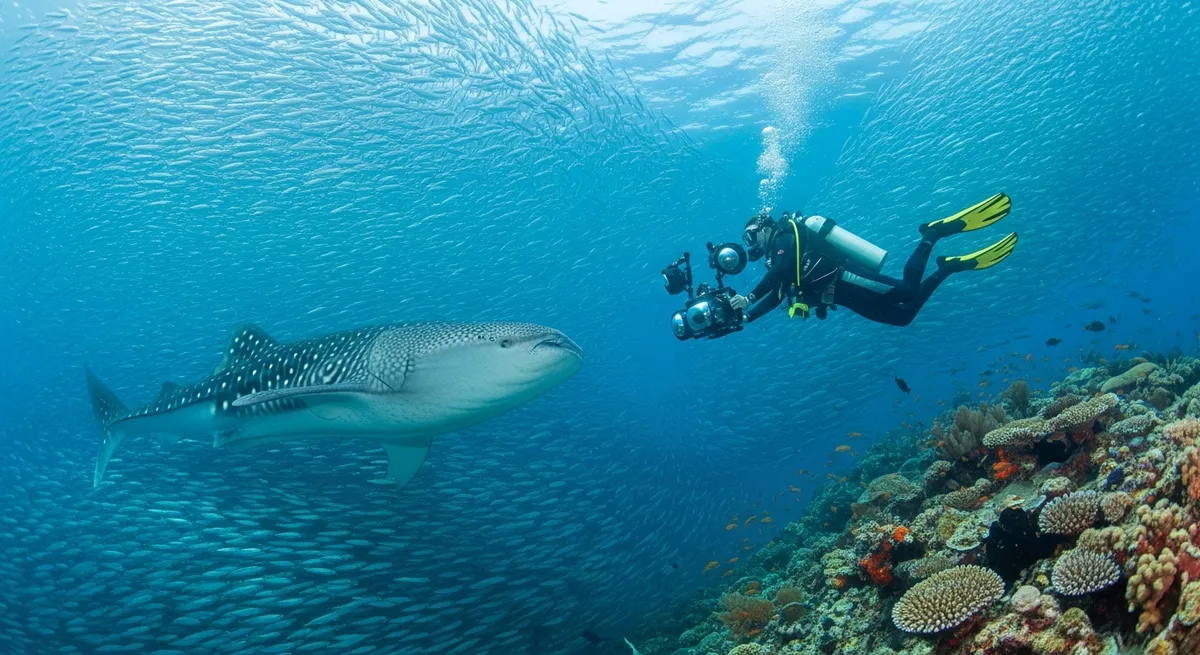
Coiba National Park
Coiba is one of those places you hear whispers about, a sort of wild west of Pacific diving, and for good reason. We love it because it genuinely feels remote, a proper adventure to get to, and it pays off in spades. Think strong, clean currents sweeping past ancient volcanic islands, attracting big pelagics like magnets. We've found the best time to visit is during the dry season, December to May, when the visibility often pushes past 20 metres. That’s when you’re most likely to see the big whale sharks cruise by, slow and majestic, or catch humpbacks breaching in the distance during their migration. The dives themselves are often drift dives, carrying you along walls covered in colourful soft corals and past schools of snapper and jacks so thick they momentarily blot out the sun. Don't be surprised to find nurse sharks napping under ledges or a curious clown wrasse checking you out. It’s rugged, untamed diving, and that’s precisely why we rate it so highly. Be prepared for a bit of a journey to get here, but that’s part of the charm.
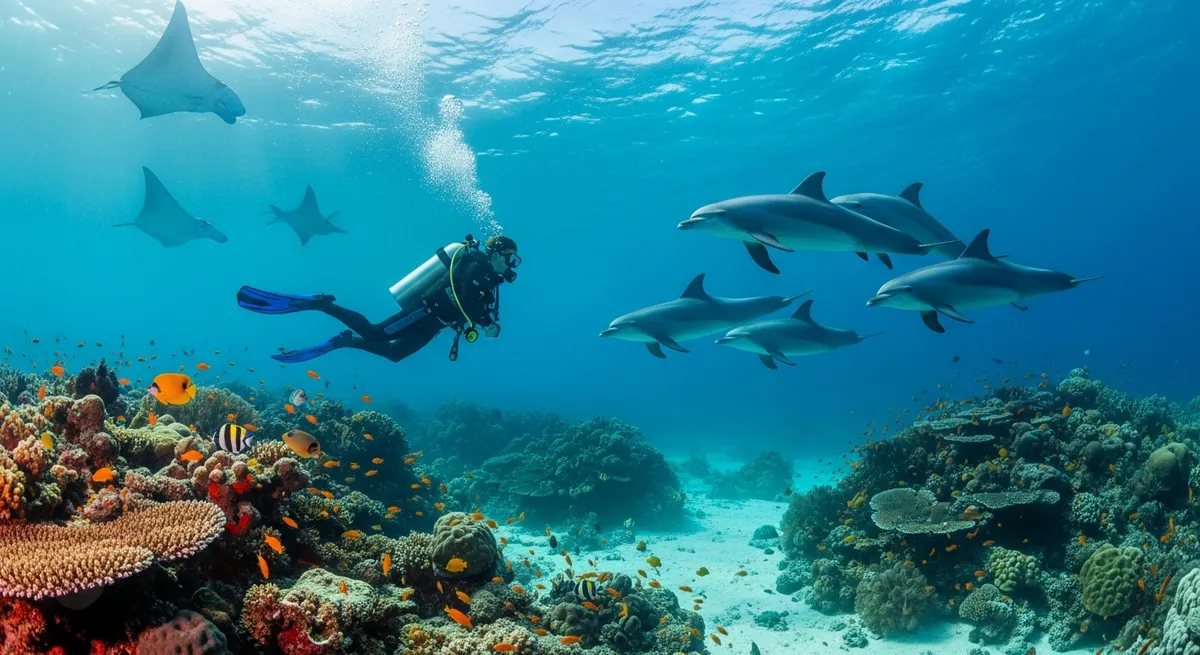
Pearl Islands
Pacific archipelago near Panama City with whale shark encounters, manta rays, and schooling fish. Growing dive tourism in a developing destination.
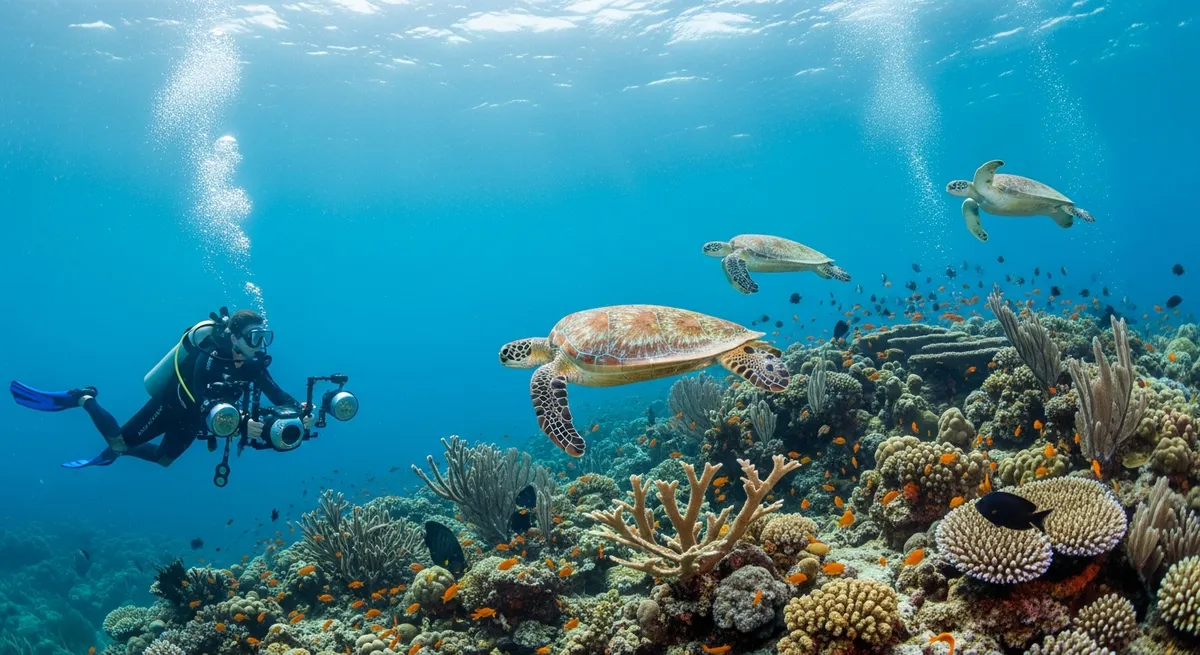
San Blas Islands
The Guna Yala indigenous territory with pristine shallow reefs, palm-fringed islands, and cultural immersion. Coral gardens in crystal-clear Caribbean waters.
Ocean Wildlife in Panama
351 species recorded in Panama
Panama Visa Requirements
Check if you need a visa to dive in Panama
Plan & book
Ways to dive Panama, from day trips to liveaboards.
Day trips & courses
via GetYourGuideGuided dives, courses and snorkel trips with instant booking.
Find dive trips in PanamaPlaces to stay
via Booking.comHotels and dive resorts near Panama.
Search stays in PanamaDive insurance
Most travel insurance excludes or limits scuba. Check what you need before you go.
Dive insurance explainedPartner links: we may earn a commission if you book, at no extra cost to you. How we make money