ANZAC
Protected Area
Vanua Cokovata Nakorotubu
Why dive here
ANZAC is a reef dive in Taveuni & Somosomo Strait, Fiji. Water ranges 26-30°C, warmest January, February, March.
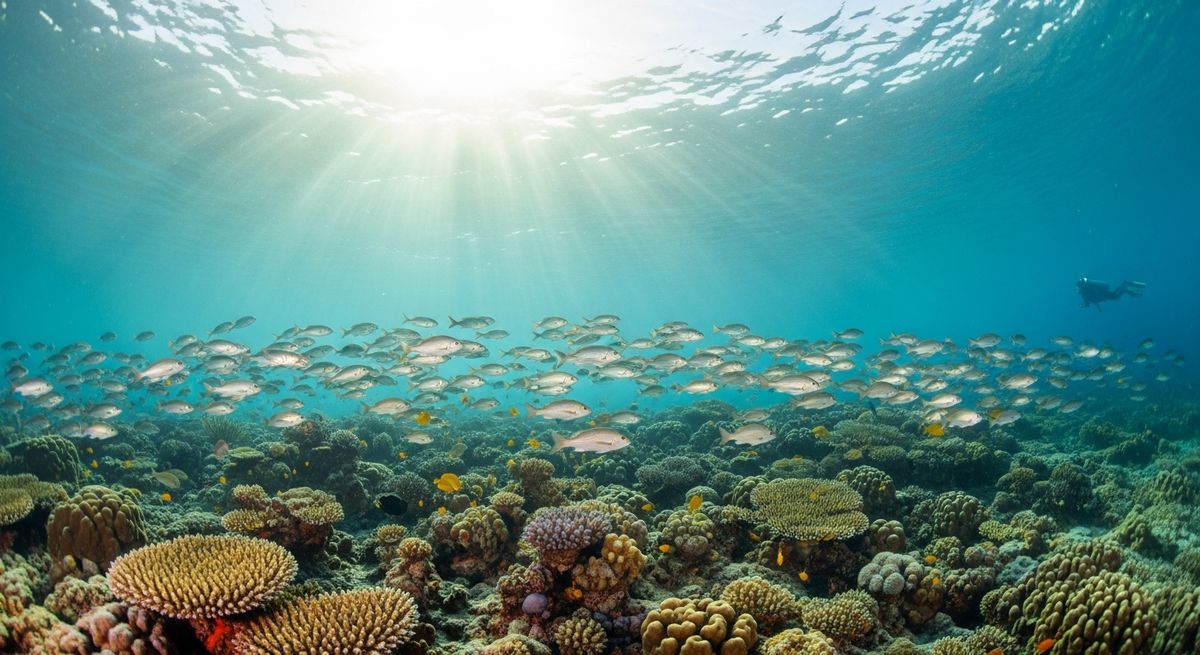
ANZAC is a standout for us in the Somosomo Strait, even among all the soft coral. It's not the deepest dive, topping out around 22 meters, but it’s packed. We love dropping onto that single coral head, it really is a kaleidoscope of colour. The swim-through at its heart is fantastic, covered in soft corals that just explode with vibrancy when the current picks up. This site truly sings when there's a good push of water. That's when you see the anthias and fusiliers schooling so thick they almost obscure the reef, a living curtain of fish. Keep an eye out for the smaller stuff too, we've spotted some beautiful Hoeven's wrasse and those tiny, intricate dotted wrasse tucked into the coral. It’s a site that rewards a slow drift and a keen eye. While it’s fine at any time, we'd suggest hitting it with some current for the full show. Divers will experience a concentrated burst of reef life here, especially with the flow, making it perfect for those who appreciate both wide-angle reefscapes and macro details. Even experienced snorkelers can get a taste of the action closer to the surface.
Reviews for ANZAC
Conditions
Ocean conditions, forecast and tides for ANZAC
ANZAC Ocean Conditions
Monthly averages for ANZAC, sourced from Open-Meteo marine data - nearest station: Open-Meteo marine grid (-16.8, -179.9) (0km away)
October Averages
Sea Temperature
27°C
81°F · Range: 25.4–28.6°C
Air Temperature
24°C
75°F
Wind Speed
9.49 m/s
18.4 knots
Atmospheric Pressure
1015.8 hPa
Based on 4 years of monitoring data · Data sources: Open-Meteo marine data
Plan & book
Ways to dive Taveuni & Somosomo Strait, from day trips to liveaboards.
Day trips & courses
via GetYourGuideGuided dives, courses and snorkel trips with instant booking.
Find dive trips in Taveuni & Somosomo StraitPlaces to stay
via Booking.comHotels and dive resorts near Taveuni & Somosomo Strait.
Search stays in Taveuni & Somosomo StraitDive insurance
Most travel insurance excludes or limits scuba. Check what you need before you go.
Dive insurance explainedPartner links: we may earn a commission if you book, at no extra cost to you. How we make money
Where to Stay near ANZAC
Prices from Booking.com. We may earn a commission at no extra cost to you.