Diving in Vlora
Why dive here
Vlora offers 40 dive sites in Albania.
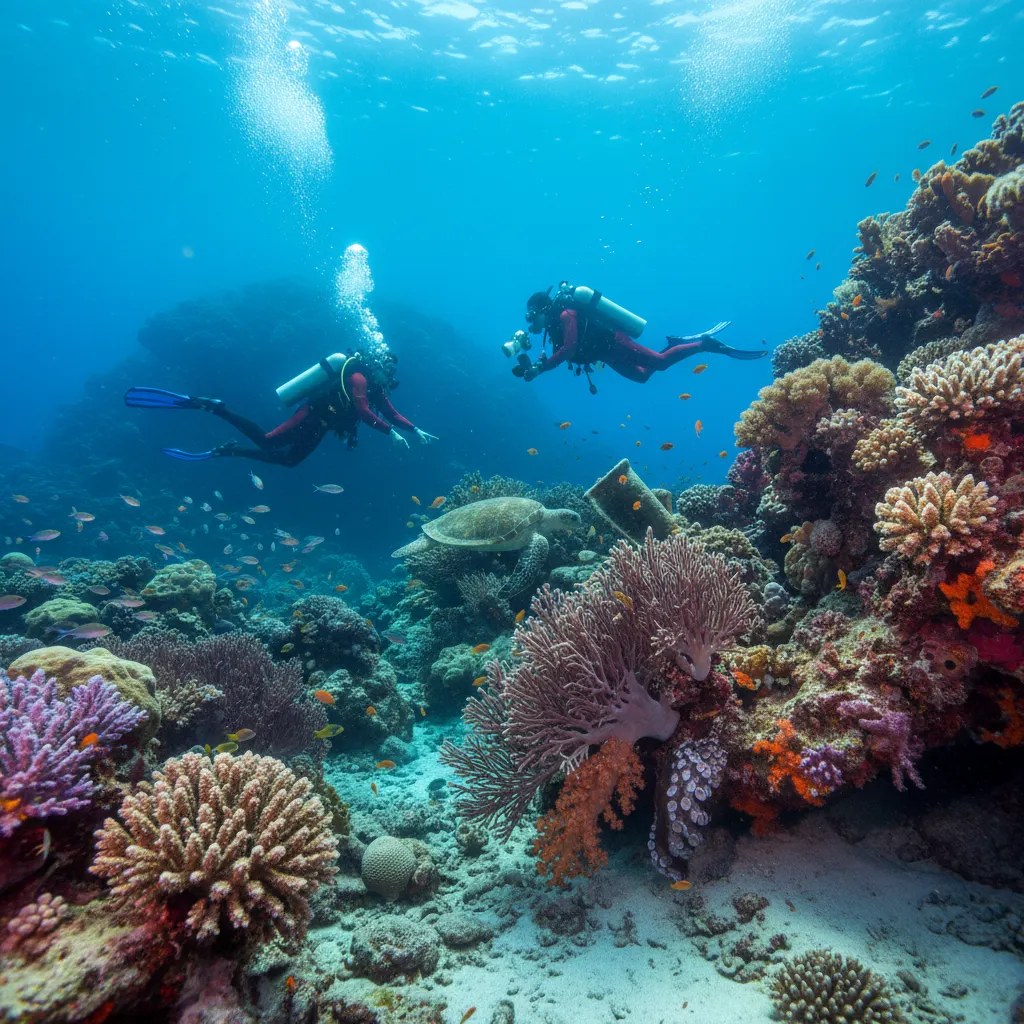
Vlora is where the Adriatic truly flexes its muscles, and we think it’s one of the most underrated spots in the Med. We’ve spent weeks here, mostly exploring the Karaburun-Sazan marine park, and it consistently delivers. You’ll find yourself drifting along sheer walls, often spotting schools of blue whiting darting past, or perhaps a Streaked Gurnard kicking up sand on the seabed. The wreck diving here is a real draw; there are a few submerged relics that have become fantastic artificial reefs, with red mullet and hake now calling them home. Our favourite time to dive Vlora is late spring when the water is warming up, but the summer crowds haven't quite descended. That's when we've had our best encounters with some of the larger residents, including a memorable sighting of a Cape Shark patrolling a rocky outcrop. Keep an eye out for the smaller stuff too, especially the Mediterranean tapeweed waving in the current and the delicate Little Astarte Clams nestled in the sand. Currents can be a factor, especially at the point where the two seas meet, so it's always worth chatting with the local dive centres about the best times for specific sites. Vlora might not have the coral gardens of the tropics, but for dramatic Mediterranean diving, it’s a serious contender.
Vlora Dive Site Map
Dive sites and dive centres in Vlora
Vlora Dive Sites
40 dive sites in Vlora
ADONIS
The Adonis wreck is a proper time capsule, a fishing trawler sitting upright on the seabed off Vlora. We love how complete she is, a perfect profile against the blue, draped in fishing nets that wave gently with the surge. Descending onto her decks feels like stepping back into the 80s, her fishing gear still largely intact. Our favourite part is exploring the wheelhouse, the controls still there, urging you to imagine the crew’s last moments before she went down. Look for the schools of damselfish darting in and out of the superstructure and the occasional scorpionfish camouflaged on the deck. Penetration is possible for experienced wreck divers, offering a glimpse into the tight crew quarters, but we’d suggest a good dive light to cut through the silt. This site is a real treat for wreck enthusiasts and photographers, but keep an eye on your depth and bottom time, she goes deep.
ANGELINA
Angelina. We love a wreck that tells a story, and this old cutter, just seven metres down, has plenty to say. It’s a shallow dive, easy enough for almost anyone, and you’ll find it surprisingly intact, masts still reaching up from the seabed. We often suggest heading out in the morning, before any wind picks up, when the light really spills onto the deck. The real draw here is how the sea has taken over. You’ll spot schools of juvenile barracuda shimmering around the bow, and we’ve spent ages watching moray eels poke their heads from every nook and cranny. There’s something about the way the light filters through the structure, highlighting the sponges and nudibranchs, that makes it feel almost ethereal. It’s not a deep, dramatic wreck dive, but a beautiful, tranquil exploration for those who appreciate history and the slow creep of marine life reclaiming its own.
ASMARA (POSSIBLY)
The ASMARA, or what we strongly suspect is the ASMARA, is a hulking piece of history resting in the gentle embrace of the Adriatic. Dropping down to 17 metres, the sheer scale of this 138-metre steamship is immediately apparent, even if its identity remains a touch enigmatic. We love how the torpedo blast that sent her down in 1943 left a dramatic impression, splitting the stern and creating intriguing swim-throughs for those with good buoyancy and wreck training. This isn't a colourful coral reef, but a masterclass in marine colonisation on metal. Schools of damselfish shimmer around the superstructure, while the interior offers shadowed nooks where moray eels peer out from behind rusted bulkheads. Our favourite part has to be finning along the exposed deck, imagining the wartime chaos, before slipping into the cavernous holds. The ASMARA is perfect for wreck enthusiasts who appreciate history and don't mind a bit of silt; just keep those fins high.
ATTILIO DEFFENU
The Attilio Deffenu is a beast of a wreck, a proper exploration dive, and easily one of our favourite reasons to head to Vlora. Lying upright in 34 metres, this Italian motor vessel was torpedoed in 1941, and time has done a good job of transforming it into a seriously moody dive. We love the way the light filters through the remaining deck structures, creating these long, shifting shadows that really make you feel the history. The sheer size of it, nearly 100 metres long, means you’ll want more than one dive to properly get a feel for the whole thing. We typically start at the stern, where the prop is still impressive, then work our way forward along the upper decks. Keep an eye out for conger eels poking their heads from pipes and the dense schools of damselfish that shimmer around the superstructure. Penetration is possible in some of the larger holds, but only for experienced wreck divers with the right training. For everyone else, circling the outside, ducking into the bridge area, and just taking in the scale is more than enough. It's a proper wreck dive, dark and atmospheric, best for those comfortable at depth.
Cala dei Porci
Cala dei Porci offers an intermediate dive to a maximum depth of 23 metres. It’s a fairly straightforward profile, making it a good spot for divers looking for a relaxed experience in Vlora. You’ll find typical Mediterranean reef fish here, going about their day. We’d suggest this site for divers who appreciate a calm exploration without strong currents or complex navigation.
Cala Paura (Parete Nord)
Cala Paura's Parete Nord offers a simple, relaxed dive, perfect for beginners or those getting back in the water. The wall itself drops to a modest 11 metres, making it a good spot for buoyancy practice. You'll find a scattering of small Mediterranean reef fish amongst the rocks, often including blennies and gobies. It’s a gentle introduction to Vlora's underwater world, easy to navigate and calm.
Canalone
Canalone, near Vlora, is a gentle introduction to Albanian diving, reaching a maximum depth of 22m. It’s a good spot for beginners and those looking for a relaxed dive. You'll likely see small Mediterranean fish darting between the rocks, maybe an octopus tucked into a crevice. It’s a clean, simple dive, good for getting your fins wet.
CAPITAN ANTONIO
Capitan Antonio. She’s a big girl, this one, a 93-metre motor vessel that went down in a storm back in '87. We love a wreck with a story, and this one certainly has it. She’s shallow, only sitting at 10 metres, so it’s a long bottom time even for less experienced divers. The sheer scale of the ship is impressive as you descend; her bow points to the surface, almost inviting you in. You’ll spend most of your dive exploring the deck and superstructure. We usually find schools of damselfish flitting around the old cranes, and a few inquisitive groupers have made the darker corners their home. Look closely in the hold, there's often an octopus or two tucked away. Visibility here can be a bit variable, especially after a good blow, but on a calm day, the sunlight streaming through the openings in the wreck is quite something. Our tip? Go early, before the thermocline really sets in and stirs things up. It’s an easy dive, mostly about soaking in the atmosphere of a vessel reclaimed by the sea.
CASSAROSSA
Cassarossa might be a small wreck, just a four-metre pleasure craft, but we think it’s a brilliant little dive in Vlora. It sits upright, proud on the seabed at a shallow 11 metres, making it perfect for a relaxed dive, even if you’re newer to wreck diving. We love how the hull is completely carpeted in vibrant orange and purple sponges, almost glowing against the muted Mediterranean blue. Swim around the bow and you’ll often spot curious moray eels peeking out from under the deck, or a small octopus trying its best to camouflage against the rusty metal. It’s an easy, calm dive, great for perfecting buoyancy and getting up close with the intricate marine life that now calls this sunken boat home. Our pick for a second dive of the day, or a chill afternoon explore.
CORAGGIO
The Coraggio wreck in Vlora isn’t about depth, it’s about history, and frankly, some serious wreck penetration. Sitting in just one metre of water, this isn’t a dive, it’s more of a snorkel or, if you’re feeling intrepid, a crawl. We love that you can practically touch the surface while exploring the twisted metal. It’s a dangerous wreck, no doubt, but that’s part of its appeal. You’ll see sunlight shafts cutting through the hull, illuminating schools of tiny damselfish flitting through the beams. Our favourite part is poking around the engine room, which is surprisingly intact, considering its shallow grave. You’ll feel the chill of the metal, hear the soft gurgle of water as you duck under a corroded beam. It’s genuinely eerie in places, perfect for those who appreciate wrecks with character over coral. This site is for explorers, for photographers looking for dramatic light, and anyone who wants a close-up encounter with a piece of maritime history without needing a dive computer. We'd suggest going on a calm morning; the visibility is usually better then, letting the wreck’s details really pop.
CRISTOFORO
The Cristoforo is exactly what we picture when someone says “Mediterranean wreck diving,” but then it surprises you. This isn't some deep, dark mystery. It's an accessible piece of history, just three meters down, meaning you can really take your time exploring. We love how the hull is broken in sections, almost inviting you to peer into its skeletal remains. You’ll spend most of your dive swimming over and around the main deck, getting a good sense of its original scale, 89.9 meters long. It’s an old motor vessel, sunk back in '73, and the years have been kind, in a way. The metal has softened, rounded by the currents, and now provides a fantastic home for all sorts of critters. We’ve seen octopuses wedged deep in crevices, their eyes watching you warily, and schools of damselfish flitting through the beams of light that penetrate the shallower sections. The light here is exceptional, especially mid-morning, illuminating the rust-red structure against the clear blue. It's a great spot for photographers, or just for anyone who wants to really get a feel for a wreck without worrying about depth or deco limits. No strong currents to speak of, so you can just drift and soak it all in.
DIMITRIOS (PROBABLY)
We’re pretty sure this is the *Dimitrios*, even if the local dive shops give you a shrug and a smile when you ask. It’s a shallow wreck, just a few metres down, but don’t let that fool you. This isn’t just a quick splash. The ship, a motor vessel from 1953, ran aground in heavy weather back in '78. Now, it sits broken in two, the bow and stern separated by a short swim over sand. What we love here is the sheer accessibility. You can spend ages poking around the superstructure, the deck plates, and the cargo holds. Sunlight streams through the broken sections, illuminating schools of juvenile barracuda that dart in and out of the shadows. Look closely, and you'll spot moray eels tucked into crevices and octopus camouflaged against the rust. Our favourite spot is the stern, where the prop shaft is still visible, encrusted with colourful sponges. It’s a fantastic site for new divers getting their first taste of wreck exploration, or for experienced photographers looking for extended bottom time and incredible light. Early morning offers the best visibility before any boat traffic stirs things up.
Show all 40 dive sites in Vlora
- ERCK
- GULTEN ISLAMOGLU
- GUNNY
- HMS ABDIEL
- HMS HEBE
- INDOMITO
- Junker 88
- L’Ancora
- La Palombara
- Le Macine
- LUISA MADRE
- MATTEOEMME
- MYRIAM
- NOSTOS VASSO ATHENE
- OLIMPIA MADRE
- PICCOLO DOMINIUM
- Piscina Dive Blu Bari
- Port’alga parete sinistra
- PUCK
- PUGLIOLA (POSSIBLY)
- Relitto Neuralia
- S ANDREA
- Scoglio dell’Eremita Parete Nord
- SHEIKH ALI
- Taglio delle Orte
- TEVFIK KAPTAN 1
- TORRE OVO
- TRICHEO
Vlora Dive Centres
14 dive shops and operators in Vlora
Acquazzurra
AQVAWORLD ACADEMY SUB
ASD DIVING CENTER POSEIDON
A.S. Gli Immergibili Diving Club
A. S. TARAS SUB DIVING CENTER
Costa Del Sud Diving Center
Dive Blu Bari
Dive Blu Diving Center
Show all 14 dive centres in Vlora
Vlora Daylight & Sunrise/Sunset
Sunrise and sunset times for Vlora, calculated from coordinates
Today - Sunday 11 October
Sunrise
05:57
Sunset
17:18
Daylight
11h 21m
Golden Hour
16:41
First light (dawn) at 05:30 · Last light (dusk) at 17:45
Monthly Averages
| Month | Sunrise | Sunset | Daylight |
|---|---|---|---|
| Jan | 07:12 | 16:48 | 9h 35m |
| Feb | 06:45 | 17:25 | 10h 40m |
| Mar | 06:03 | 17:57 | 11h 54m |
| Apr | 05:14 | 18:28 | 13h 14m |
| May | 04:36 | 18:59 | 14h 23m |
| JunLongest | 04:20 | 19:22 | 15h 3m |
| Jul | 04:32 | 19:21 | 14h 49m |
| Aug | 05:00 | 18:51 | 13h 51m |
| Sep | 05:30 | 18:03 | 12h 33m |
| OctNow | 06:00 | 17:13 | 11h 13m |
| Nov | 06:37 | 16:34 | 9h 57m |
| DecShortest | 07:07 | 16:25 | 9h 18m |
Times are approximate local times based on longitude. Actual times may vary slightly depending on the exact timezone observed in Vlora.
Where to Stay near Vlora
Prices from Booking.com. We may earn a commission at no extra cost to you.
Marine Protected Areas near Vlora
2 protected areas near Vlora - please respect local regulations when diving
Karaburun-Sazan Marine National Park
Karaburun-Sazan Marine National Park
Getting to Vlora
Grottaglie
Brindisi
Bari
Plan & book
Ways to dive Vlora, from day trips to liveaboards.
Day trips & courses
via GetYourGuideGuided dives, courses and snorkel trips with instant booking.
Find dive trips in VloraPlaces to stay
via Booking.comHotels and dive resorts near Vlora.
Search stays in VloraDive insurance
Most travel insurance excludes or limits scuba. Check what you need before you go.
Dive insurance explainedPartner links: we may earn a commission if you book, at no extra cost to you. How we make money