JOLIKA
Protected Area
Fasce litoranee a destra e a sinistra del Fiume Sele
Why dive here
With 136+ marine species recorded in the area - including blue sharks, hammerhead sharks, mobula rays (devil rays), octopuses and sea turtles - JOLIKA offers some of Naples & Campania's richest wreck diving.
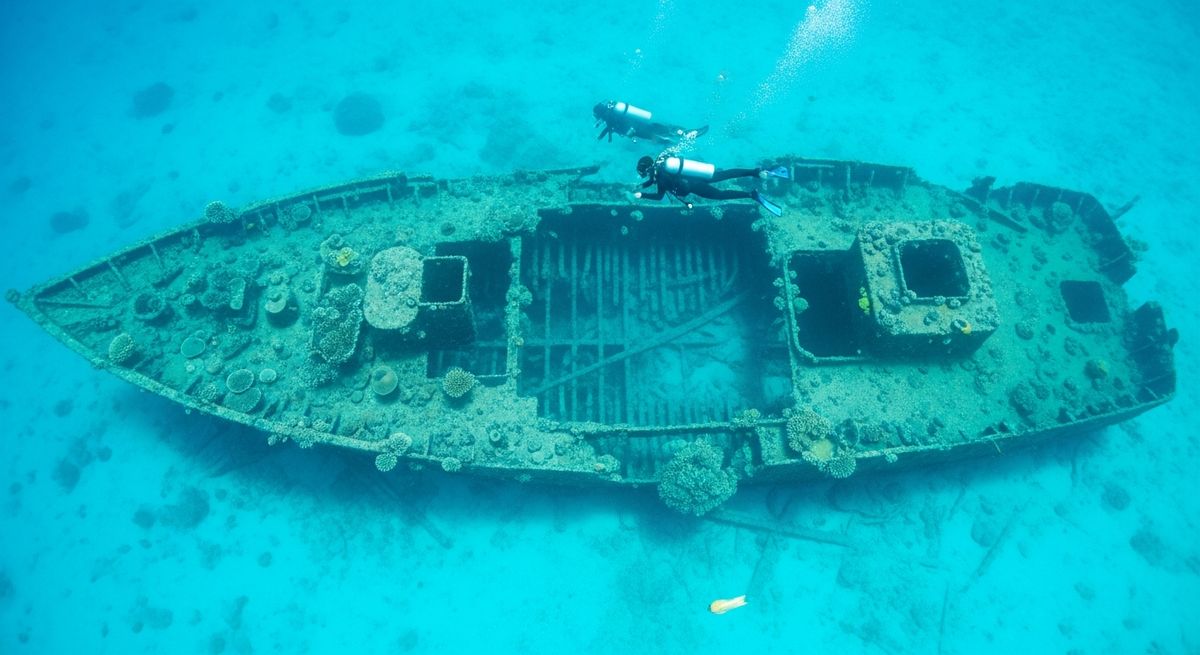
The Jolika wreck isn't some deep, dark secret, but it’s still one of our favourite dives in the Salerno area. Sunk in 1979 during a nasty storm, this 62-meter motor vessel now rests upright in just 11 meters of water, making it perfect for divers of all levels, even newer wreck enthusiasts. It's a fantastic spot for a long, relaxed bottom time, really letting you soak in the atmosphere. As you descend, the sheer size of the Jolika quickly becomes apparent. The bow points towards the breakwater, and the stern section, especially, is a really interesting swim-through. We love finning through the open holds, watching the shafts of sunlight pierce the gloom and illuminate the schools of damselfish darting between the metal beams. There’s always a good chance of spotting moray eels tucked into crevices, their heads poking out with that classic wary stare. On the deck, we’ve seen countless nudibranchs grazing on the encrusting sponges and anemones. The wreck itself is a magnet for silversides, often forming shimmering clouds so dense you can barely see the wreck behind them. We’d suggest going in the morning; the light penetration is just beautiful then, really bringing out the colours of the marine growth.
Typical JOLIKA Dive Profile
Illustrative profile based on site depth and type. Actual dive profiles vary - always follow your dive computer and training.
Safety Notes
Wreck site - avoid penetration without wreck diving certification. Watch for sharp metal and entanglement hazards.
Always perform a 3-minute safety stop at 5m before surfacing.
Nearest Dive Centres to JOLIKA
Dive shops near JOLIKA
BANCO DI SANTA CROCE DIVING
Mediterranea Sport
Punta Campanella Diving Sorrento
Punta Campanella Diving Center
Reviews for JOLIKA
Conditions
Ocean conditions, forecast and tides for JOLIKA
Plan & book
Ways to dive Naples & Campania, from day trips to liveaboards.
Day trips & courses
via GetYourGuideGuided dives, courses and snorkel trips with instant booking.
Find dive trips in Naples & CampaniaPlaces to stay
via Booking.comHotels and dive resorts near Naples & Campania.
Search stays in Naples & CampaniaDive insurance
Most travel insurance excludes or limits scuba. Check what you need before you go.
Dive insurance explainedPartner links: we may earn a commission if you book, at no extra cost to you. How we make money
Where to Stay near JOLIKA
Prices from Booking.com. We may earn a commission at no extra cost to you.