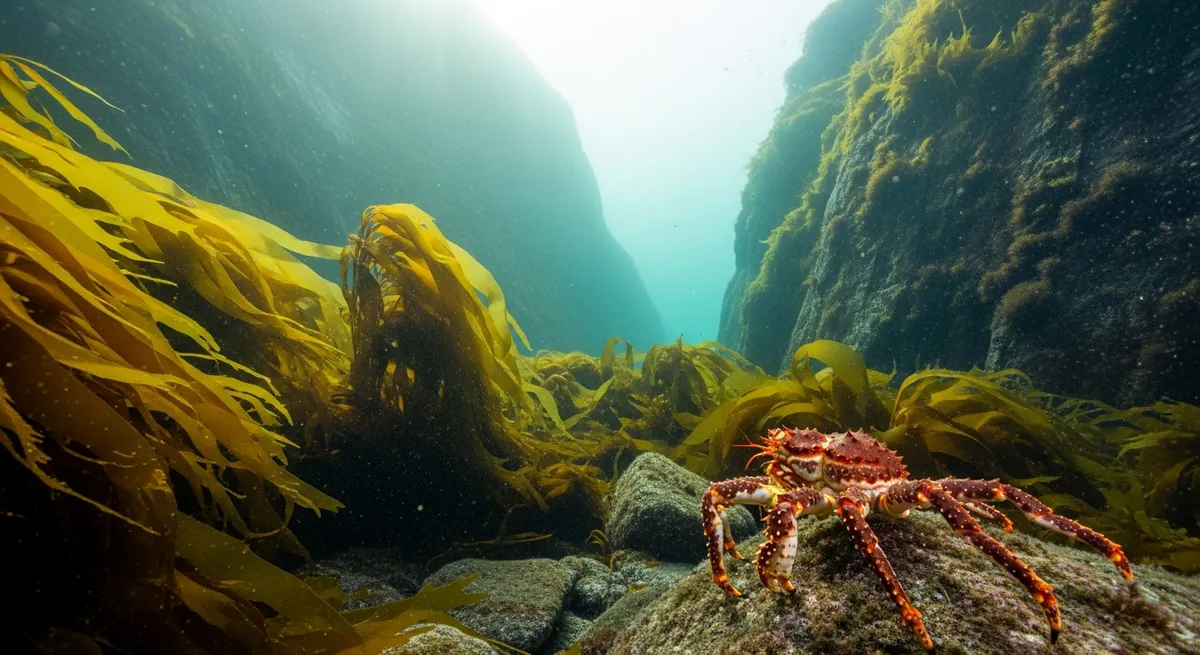

Diving in Norway
Why dive here
Norway offers 200 dive sites across 6 diving regions.
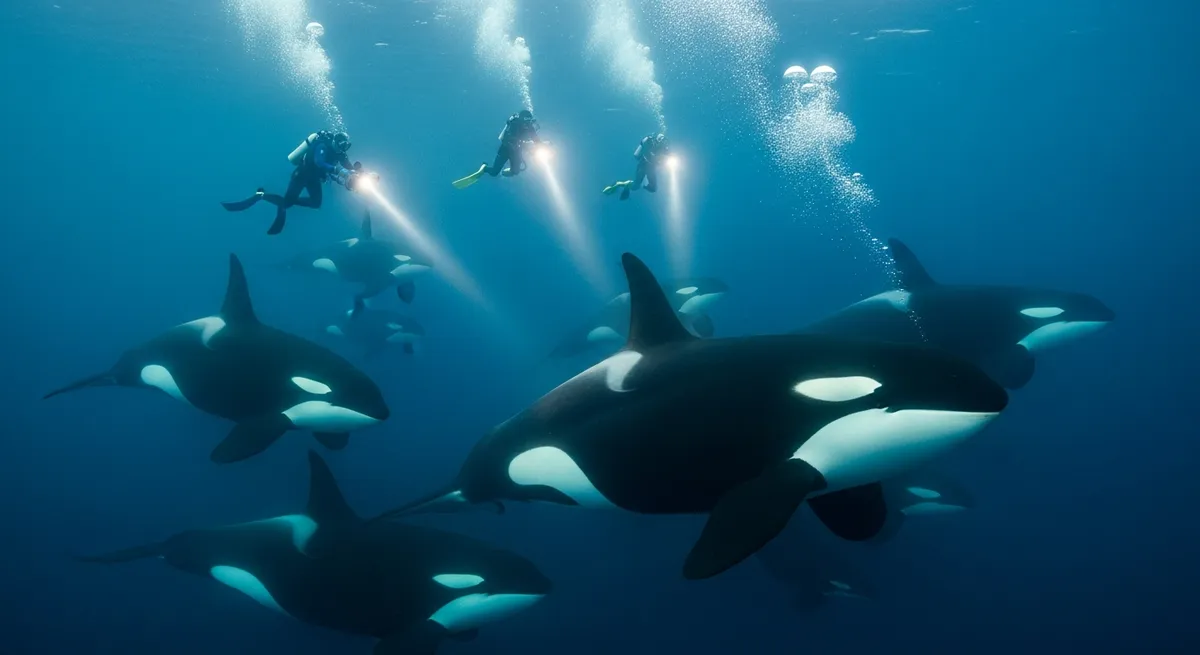
Norway isn't your typical tropical escape. It's a place for divers who appreciate the raw beauty of cold water, where kelp forests sway like ancient trees and the fjords plummet into the deep. We love the dramatic landscapes, both above and below the surface, particularly in the Lofoten Islands where the water clarity can be phenomenal. Heading north, especially around Tromsø, offers the genuine chance to encounter orcas in winter, a truly humbling experience if you're lucky. For something a little different, the Trondheimsfjorden offers unique cold-water coral formations, a real insight into a different kind of underwater ecosystem. Come in late spring or summer for the best visibility and conditions, though the orcas need that crisp winter chill.
Norway Dive Regions Map
Norway Dive Regions
6 diving areas in Norway
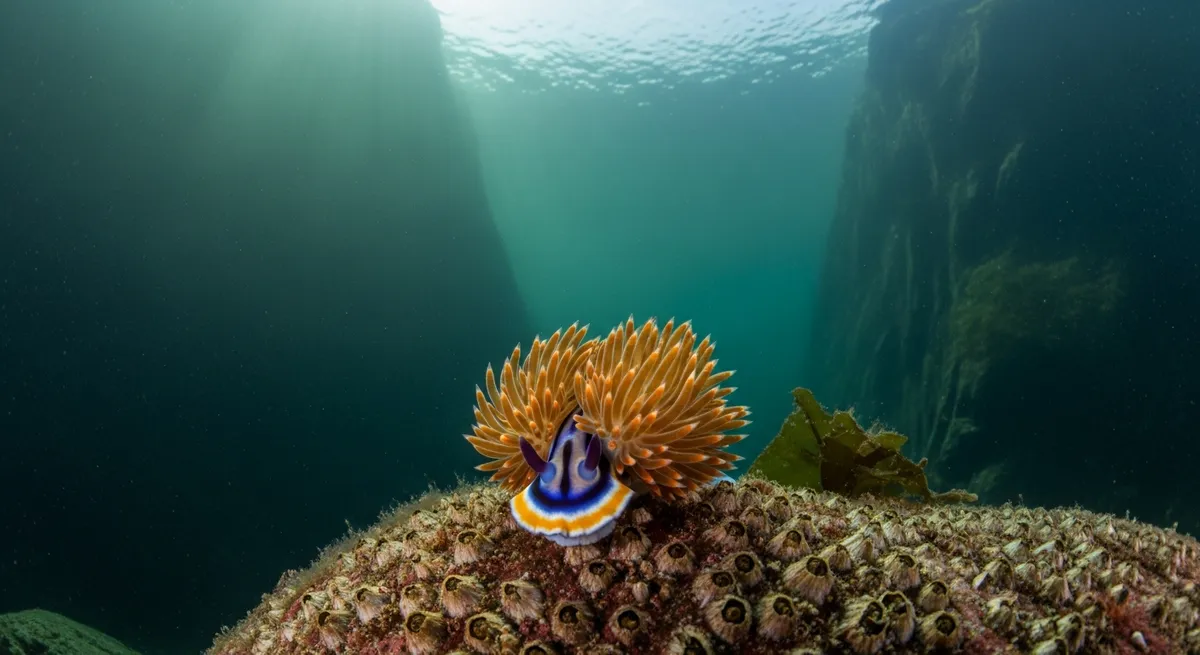
Bergen & Fjords
Fjord diving with wolffish, giant king crabs, and nudibranchs in dramatic underwater landscapes.
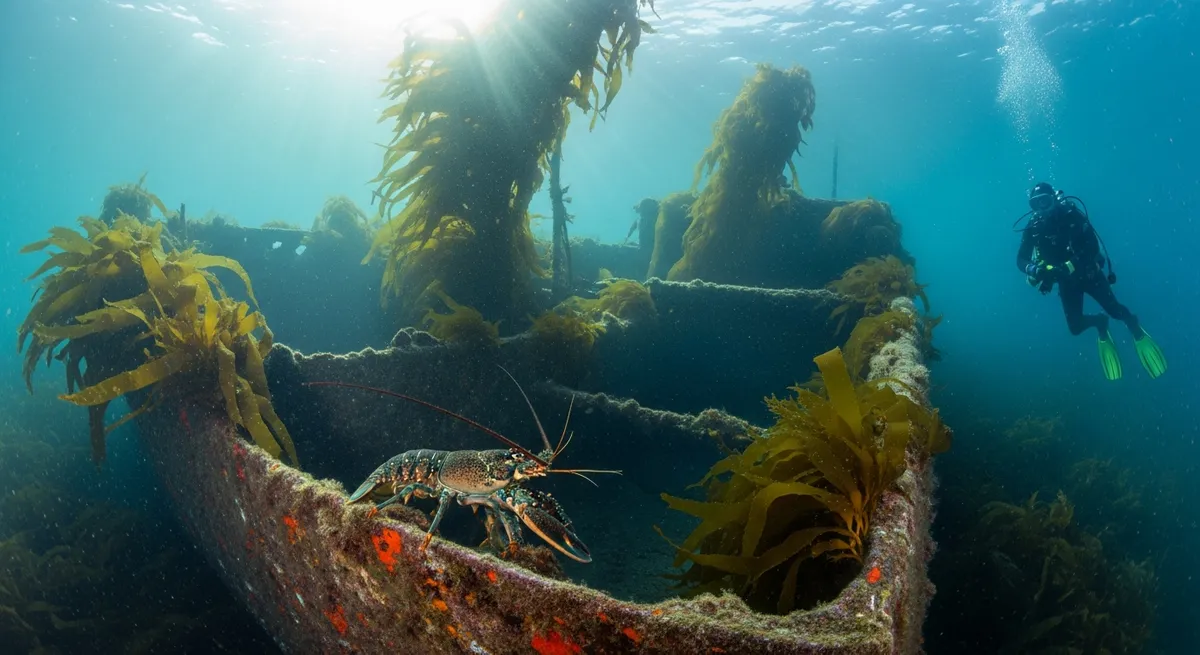
Kristiansand & South Coast
Southern Norway's warmest waters with historic shipwrecks, lobster populations, and accessible shore diving from rocky coastlines.
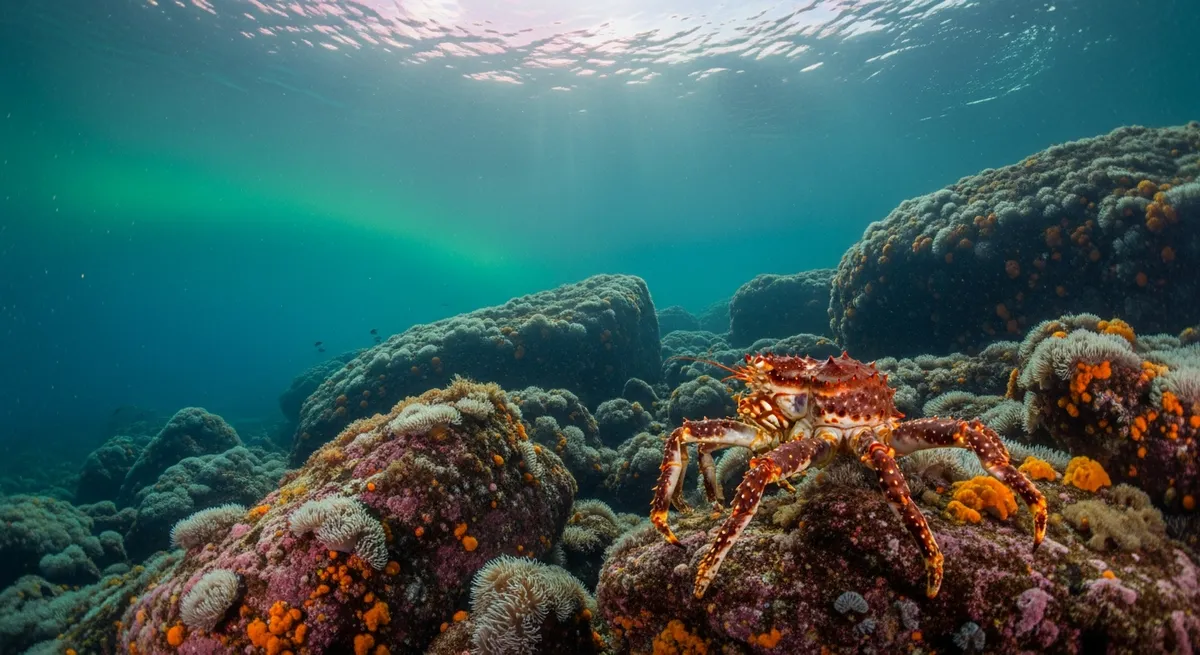
Lofoten Islands
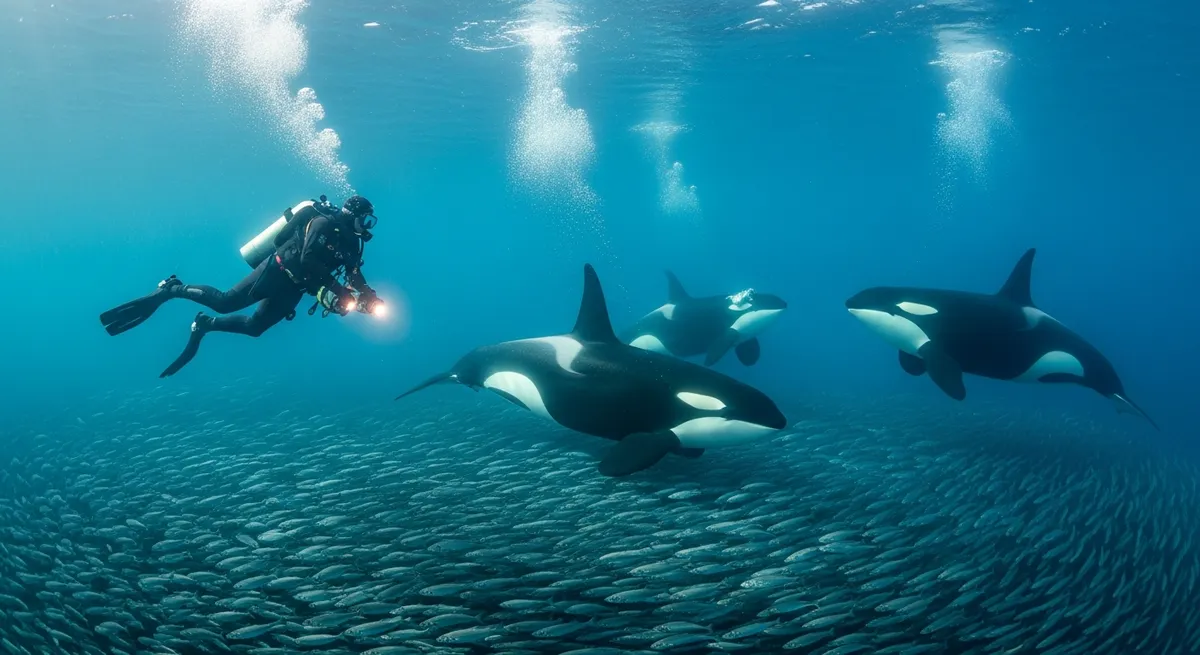
Diving in Lofoten is less about vivid coral and more about the raw power of the Arctic. We love the feeling of slipping into that cold, clear water, surrounded by towering kelp stalks that sway like underwater forests. You’ll definitely be looking for the lumpsuckers clinging to the fronds, their grumpy faces always make us smile. In winter, the real magic happens; those orca encounters are absolutely electrifying, though you’ll need a thick drysuit for that. The Cape Sharks are another highlight, ghostly in the low light. Visibility here can be phenomenal, often stretching beyond 20 metres, especially further out. We'd suggest asking local dive centres about the best spots for Atlantic cod schools; sometimes they’re so dense they look like a solid wall of fish. Drift dives are common, propelled by some serious currents, so be prepared for a ride. The wrecks are atmospheric, though often deep and more for the expert crowd. And that midnight sun in summer? It’s surreal to dive at 2 AM with daylight still streaming through the water. Just don't forget your mask defog.
Stavanger & Rogaland
Stavanger is one of those places that, on paper, you don't immediately think of for diving. Norway's oil capital, sure, but underwater? We were pleasantly surprised. The Rogaland coastline gives you a proper mix: some fantastic wrecks that really draw you in, big kelp forests that sway and hum with life, and then there’s the sheer drama of Lysefjorden’s underwater walls. Visibility here can be genuinely great, especially outside of the plankton blooms. We’ve had dives where you can see the light filtering down through the kelp, turning everything emerald. Our favourite sites are often those where the old fishing boats have settled, creating homes for the Common lobster and the occasional Broadnosed pipefish. Keep an eye out for the Friendly Blade Shrimp - they’re shy but pop up if you’re patient. The fjords offer a different vibe altogether, a darker, colder beauty with walls that drop into the inky deep, sometimes revealing large European fan-worms filtering the water. It’s certainly not a tropical dive, but the raw, wild nature of it is what we love. Just be prepared for the chill; a drysuit is really non-negotiable here.
Tromsø & Northern Norway
Arctic diving with orca and humpback whale encounters during the herring run. Northern lights above, marine spectacles below.
Trondheim & Central Coast
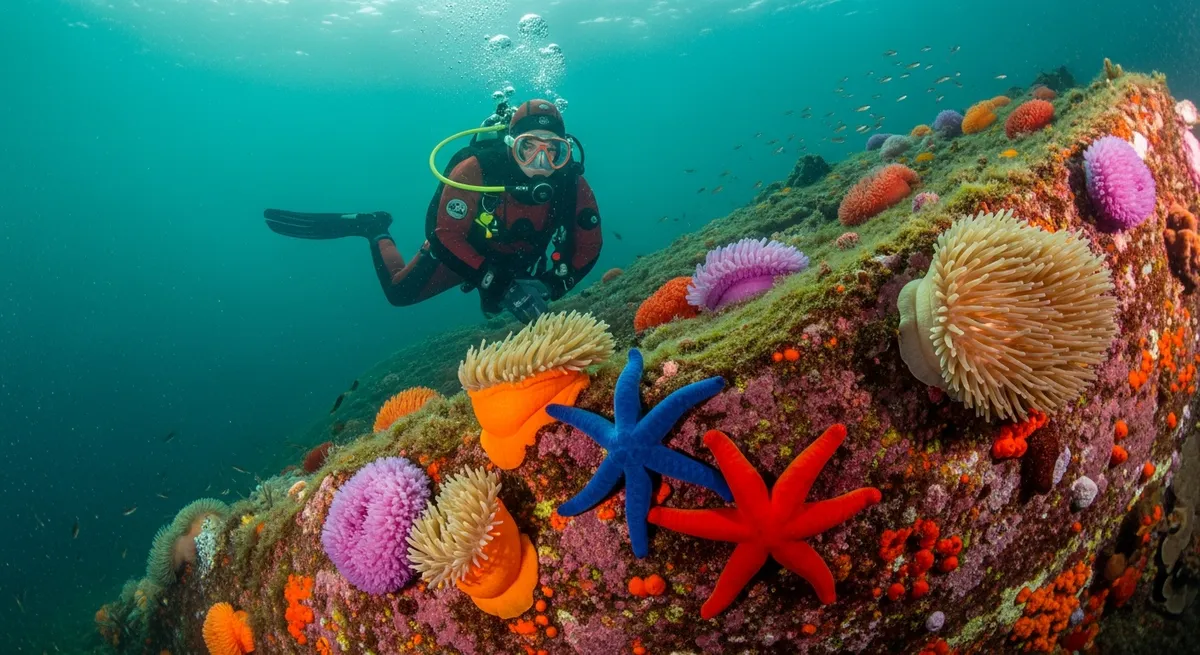
Cold-water coral reefs, WWII wrecks, and kelp forest diving along the central coastline.
Ocean Wildlife in Norway
17 species recorded in Norway
Norway Visa Requirements
Check if you need a visa to dive in Norway
Plan & book
Ways to dive Norway, from day trips to liveaboards.
Day trips & courses
via GetYourGuideGuided dives, courses and snorkel trips with instant booking.
Find dive trips in NorwayPlaces to stay
via Booking.comHotels and dive resorts near Norway.
Search stays in NorwayDive insurance
Most travel insurance excludes or limits scuba. Check what you need before you go.
Dive insurance explainedPartner links: we may earn a commission if you book, at no extra cost to you. How we make money