Diving in Lofoten Islands
Why dive here
Lofoten Islands offers 94 dive sites in Norway.
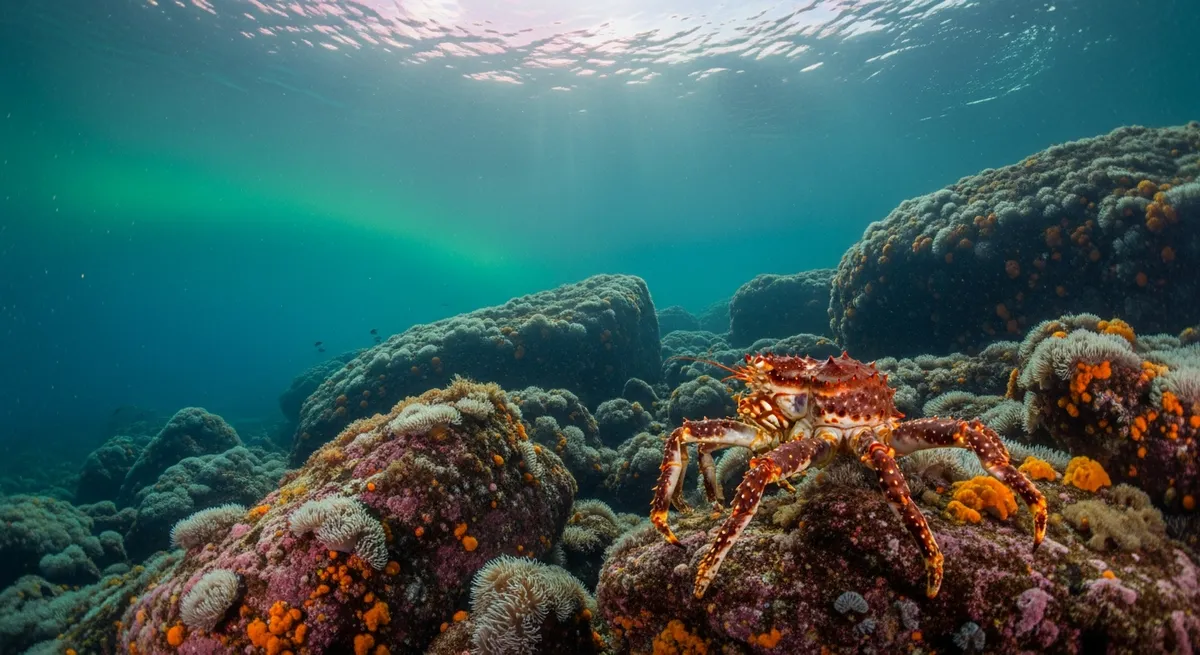
Diving in Lofoten is less about vivid coral and more about the raw power of the Arctic. We love the feeling of slipping into that cold, clear water, surrounded by towering kelp stalks that sway like underwater forests. You’ll definitely be looking for the lumpsuckers clinging to the fronds, their grumpy faces always make us smile. In winter, the real magic happens; those orca encounters are absolutely electrifying, though you’ll need a thick drysuit for that. The Cape Sharks are another highlight, ghostly in the low light. Visibility here can be phenomenal, often stretching beyond 20 metres, especially further out. We'd suggest asking local dive centres about the best spots for Atlantic cod schools; sometimes they’re so dense they look like a solid wall of fish. Drift dives are common, propelled by some serious currents, so be prepared for a ride. The wrecks are atmospheric, though often deep and more for the expert crowd. And that midnight sun in summer? It’s surreal to dive at 2 AM with daylight still streaming through the water. Just don't forget your mask defog.
Lofoten Islands Dive Site Map
Dive sites and dive centres in Lofoten Islands
Lofoten Islands Dive Sites
94 dive sites in Lofoten Islands
Akkarvika
Akkarvika offers a solid shore dive right from the beach. Drop down into a kelp forest that gives way to a sandy bottom, where we’ve often spotted flatfish camouflaged against the sand and the occasional inquisitive cod. It’s a good spot for a relaxed dive, especially if you’re keen on macro life amongst the holdfasts, or just want to shake out the cobwebs. We’d suggest it for divers looking for an easy entry and a chance to explore at their own pace.
Alfred von Tirpitz
Diving the Tirpitz wreck in Lofoten isn't your typical colourful reef dive, but it’s an absolute standout for those who love history and a bit of a challenge. We've always been drawn to the stories these wrecks tell, and this one, a German battleship scuttled during WWII, has some tales to spin. The cold, clear Norwegian water often preserves these giants remarkably well. When you drop down, the sheer scale of it hits you. It’s huge, even though much of it was salvaged post-war. What's left, though, is dramatic. We love finning along the crumpled plating, seeing the massive rivets and thick steel that once formed a formidable warship. Visibility here can be surprisingly good, letting you appreciate the dark, imposing structure against the pale light filtering down. Our favourite part is exploring the twisted metal sections, imagining the chaos of its final moments. Anemones, often in bright oranges and purples, cling to the metal, and we’ve seen some decent-sized cod and pollock patrolling the deeper sections. This dive really suits those with some cold-water experience who appreciate historical wrecks over tropical fish.
ALTONA
The Altona is a personal favourite of ours in the Lofoten Islands, a real beauty. This old steamship, sunk back in April 1940, sits upright at 25 metres. You drop down, and it just materialises out of the green, surprisingly intact. We love how the bow points north, almost like it’s still trying to sail, and you can see the cargo holds quite clearly. It’s not a huge wreck, but it has so much character, covered in those feathery white and orange anemones that just glow in your torch beam. We’d suggest bringing a good light, not just for penetration, but to really make those colours pop. Look for the wolf fish lurking in the deeper crevices; they’re often quite chilled out around the wreck. The visibility here can be decent, but it’s always got that atmospheric, slightly silty Norwegian feel, which just adds to the dive. It’s a site that tells a story, perfect for divers who appreciate a wreck with some history and don’t mind a bit of a chill in the water. We think it’s one of the best for just enjoying the peaceful, almost ghostly presence of a ship long at rest.
ANTON SCHMIDT
We’ve been lucky enough to dive our share of wrecks, but the Anton Schmidt in Lofoten hits different. This isn’t a warm-water, coral-encrusted affair; it's a stark, powerful dive that connects you directly to history. Lying broken in the frigid Norwegian depths, this German destroyer, torpedoed in the First Battle of Narvik, is immense. At 117 metres long, she dominates the seabed. The sheer scale of the wreck is what really grabs you. We love tracing the length of her hull, imagining the chaos of her final moments. There are huge sections to explore, from the bow, often draped in kelp, to the mangled stern. You'll find a surprising amount of life here too, even in these cold waters. Ling and cod often peek out from shadowy compartments, and we've seen wolf fish tucked into crevices. The water clarity can be phenomenal, especially on a calm day, giving you incredible visibility over the entire structure. Our best advice? Dress for serious cold, inside and out. This dive is for those who appreciate maritime history and don’t mind a bit of chill for a truly rewarding experience.
ANTON SCHMIDT (POSSIBLY)
Dropping onto the Anton Schmidt, it’s not just a wreck dive, it’s a dive into a moment of history, cold and dark. This German destroyer went down in the First Battle of Narvik in 1940, and you feel that history in the silence. We love how the visibility in the often-chilly Norwegian waters can really open up the scale of this 117-meter vessel. You’re not just seeing sections; you’re seeing a whole ship, resting upright at 22 meters. As you descend, the sheer size of the hull emerges from the green gloom, often shrouded in schooling saithe. Look for the bow section, still relatively intact, and we’ve found the bridge area particularly atmospheric. It’s been down there a long time, so don't expect pristine ship fittings, but the structural integrity is impressive. The current can be a factor, so time your dive for slack tide. It’s a dive for those who appreciate maritime history and don’t mind a bit of a chill; the reward is a truly imposing wreck.
ATLAS
Diving the Atlas in Lofoten is a proper deep wreck experience. This tug vessel went down in '78 after a run-in with the MV Karlshorst, and now she sits upright at 60 metres, making it a dive best suited for experienced technical divers. We’ve found the stern deck particularly interesting, with the wheelhouse largely intact and some surprising nooks and crannies to peer into. Look closely, and you’ll often spot a wolf fish or two tucked away, along with the usual cast of cold-water anemones clinging to the metalwork. It’s a somber, impressive dive, certainly not for the faint of heart or those without a solid grasp of deep diving protocols.
BENTE
The Bente wreck in Lofoten sits in surprisingly shallow water, making it a good option when you want to take it easy. Sunk in 1978, this 42-meter motor vessel ran aground just a meter off Straumsjøen and now rests completely submerged. We found the wreck largely intact, though clearly dangerous in places, so careful exploration is key. Look for the engine room, which is often accessible, and keep an eye out for the cod and Pollock that shelter in the holds. It's a proper cold-water wreck dive, perfect for divers keen on history and the hardier creatures that call these northern waters home.
Black Watch
The Black Watch site in Lofoten offers an intriguing dive, best suited for those comfortable with colder water and shore entries. Below the surface, you'll find a rocky seafloor with kelp forests, home to various crustaceans and an occasional inquisitive wolfish. We usually hit this spot on a calm day for the best visibility. It’s a solid option if you’re looking for a relaxed exploration rather than dramatic walls.
BOYKY
Boyky, a destroyer that went down in 1988, sits upright and largely intact, offering a compelling cold-water wreck dive. Its sheer size, 139 metres long, means you’re not going to see it all in one dive, and we'd recommend multiple visits to really appreciate its scale. You can navigate through various sections, observing the heavy machinery and the ship's structure, now home to a fair number of cod and anemones. This site is best for experienced wreck divers comfortable with colder temperatures and deeper dives, ready to explore a piece of naval history.
CASTEL
The Castel, tucked away in the dramatic Lofoten Islands, isn't your average Norwegian wreck dive. This isn’t a deep, dark exploratory mission. Instead, you get a motor vessel sitting upright and relatively shallow, maxing out at 20 metres. We love that it’s accessible, making it a cracking dive for those newer to wreck diving or anyone who prefers a longer bottom time. From the moment you descend, the sheer bulk of the Castel emerges from the green-blue water. The bridge is largely intact, and you can swim through various compartments, peeking into what used to be crew quarters. Our favourite part has to be the stern, where the prop is still in place, encrusted with anemones and hydroids. Look closely, and you’ll spot a surprising number of critters - we’ve seen everything from plump wolf-eels poking out of holes to inquisitive pollack swirling around the superstructure. It’s a site that changes with the light, especially on a bright day when the sun dapples through the rigging. Expect cold water, naturally, but the visibility here can be fantastic. If you hit it on a calm day, the experience of exploring this piece of history, now a vibrant artificial reef, is really something.
Donnier 26
Donnier 26 offers a straightforward dive to 26 metres in the Lofoten Islands. We find a fairly flat sandy bottom here, often dotted with anemones and the occasional cod. It's a decent spot for those looking to log some depth in colder water, particularly if you're keen on macro photography of bottom dwellers. Visibility can be a bit variable, so pick a calm day if you can.
Dornier WW2 wreck Onoy
The Dornier wreck off Onøy, now that’s a site that sticks with you. Dropping down onto the hulking remains of a German flying boat from WW2, it’s a stark reminder of history lying on the seabed. We love how the metal structure has become a home, with schools of coalfish darting through the fuselage and anemones clinging to the wings. You’ll spend your time navigating the exposed sections, peering into shadows where cod often hide, and just soaking in the atmosphere. The water here is undeniably cold, but the clarity often makes up for it, letting the dim Arctic light filter down and illuminate the wreck in an almost eerie glow. This dive is definitely for experienced cold-water wreck enthusiasts who appreciate a historical artifact over a colourful reef. Be prepared for potentially strong currents; we always check local conditions before planning a trip out here.
Show all 94 dive sites in Lofoten Islands
- DS Flint
- D/S Martha Heinrich Fisser
- D/S Romanby
- DYROYGUTT
- ELDRID
- EVELYN KARIN
- FLYGG 1
- FOLDERO
- Gallic Stream
- GALLIC STREAM
- George Thiele
- GUDRUN GISLADOTTIR (PROBABLY)
- GUNNAR II
- HALGAFELLI
- HEIMLAND
- HEIN HOYER
- Hekkingen middle
- HELGAFELLI
- Helle
- HMS Curlew
- HMS Effingham
- HMS Hardy
- HMS Hunter
- HMS Searcher
- HNoMS Odin
- JOHAN SENIOR
- KARLSHORST
- LN-BED (CESSNA AIRCRAFT)
- Lofotodden
- LOFOTTRAL III
- MARTHA HENDRIK FISSER
- Morkvedbukta
- Moskstraumen
- MS Hadsel
- MS Hamburg
- MS Hamburg Wreck
- M/S Neuenfels
- N-46-VR
- NANSEN
- NEUENFELS
- NORDFJELL
- NORDSTJERNEN
- NORGE
- NORGE
- Nusfjord
- PS Norge
- Rabat
- RABAT
- Raftsundet
- RAMO
- RAPP II
- RFA BOARDALE
- RIVERTON
- ROMANBY
- Røst Reef
- Saltstraumen
- SAVATI
- SKARHEIM
- Skibotn
- SS Dronning Maud
- STELLA ORION
- STRASSA
- Sud America VIII
- SUSAN
- Svarven
- TANJA
- THORNE
- TIRPITZ
- TORDENSKJOLD
- UTVIK-SENIOR
- WILHELM HEIDKAMP
- Wilhelm Heidkamp, Anton Schmitt, Diether von Roeder
- WILHELM HEIDKAMP OR DIETHER V
- Wreck of German submarine U-64
- Wreck of MS Rigel
- Wreck of ORP Grom
- Wreck of ORP Grom
- Wreck of Prinsesse Ragnhild
- Wreck of RV Belgica
- Z12 Erich Giese
- Z19 Herrman Kunne
- Z2 Georg Thiele
Lofoten Islands Dive Centres
18 dive shops and operators in Lofoten Islands
Adykk
Ålesund dykkersenter
Dykker- og Froskemannskolen (DFS)
Havsport
Havsport AS
Jæren Dykkersenter
Jæren Dykkesenter
Lofoten Diving AS
Show all 18 dive centres in Lofoten Islands
Ocean Wildlife in Lofoten Islands
17 species recorded in Lofoten Islands
Lofoten Islands Daylight & Sunrise/Sunset
Sunrise and sunset times for Lofoten Islands, calculated from coordinates
Today - Sunday 11 October
Sunrise
06:46
Sunset
16:42
Daylight
9h 56m
Golden Hour
15:19
First light (dawn) at 05:49 · Last light (dusk) at 17:39
Monthly Averages
| Month | Sunrise | Sunset | Daylight |
|---|---|---|---|
| JanShortest | 10:42 | 13:31 | 2h 49m |
| Feb | 08:19 | 16:04 | 7h 44m |
| Mar | 06:20 | 17:53 | 11h 33m |
| Apr | 04:09 | 19:46 | 15h 36m |
| MayLongest | 01:43 | 22:04 | 20h 21m |
| Jun | NaN:NaN | NaN:NaN | NaNh NaNm |
| Jul | NaN:NaN | NaN:NaN | NaNh NaNm |
| Aug | 03:08 | 20:56 | 17h 48m |
| Sep | 05:09 | 18:38 | 13h 29m |
| OctNow | 06:57 | 16:29 | 9h 32m |
| Nov | 09:14 | 14:10 | 4h 57m |
| Dec | NaN:NaN | NaN:NaN | NaNh NaNm |
Times are approximate local times based on longitude. Actual times may vary slightly depending on the exact timezone observed in Lofoten Islands.
Where to Stay near Lofoten Islands
Prices from Booking.com. We may earn a commission at no extra cost to you.
Marine Protected Areas near Lofoten Islands
135 protected areas near Lofoten Islands - please respect local regulations when diving
Karlsøyfjorden
Svellingsflaket
Bliksvær
Kaldvågfjorden og Innhavet
Karlsøyvær
Røstøyan og Nykan
Røstøyan
Røstøyan
Sjunkhatten
Sjunkhatten
Karlsøyvær
Karlsøyvær
Showing 12 largest of 135
Getting to Lofoten Islands
Evenes
Bodø
Tromsø
Plan & book
Ways to dive Lofoten Islands, from day trips to liveaboards.
Day trips & courses
via GetYourGuideGuided dives, courses and snorkel trips with instant booking.
Find dive trips in Lofoten IslandsPlaces to stay
via Booking.comHotels and dive resorts near Lofoten Islands.
Search stays in Lofoten IslandsDive insurance
Most travel insurance excludes or limits scuba. Check what you need before you go.
Dive insurance explainedPartner links: we may earn a commission if you book, at no extra cost to you. How we make money