Abu Ghusun (Wreck)
Protected Area
Tourism Development Area II
Why dive here
Abu Ghusun (Wreck) is a wreck dive where divers can encounter dolphins, humpback whales, oceanic whitetip sharks, sea turtles and spinner dolphins. Water ranges 23-31°C, warmest July, August, September.
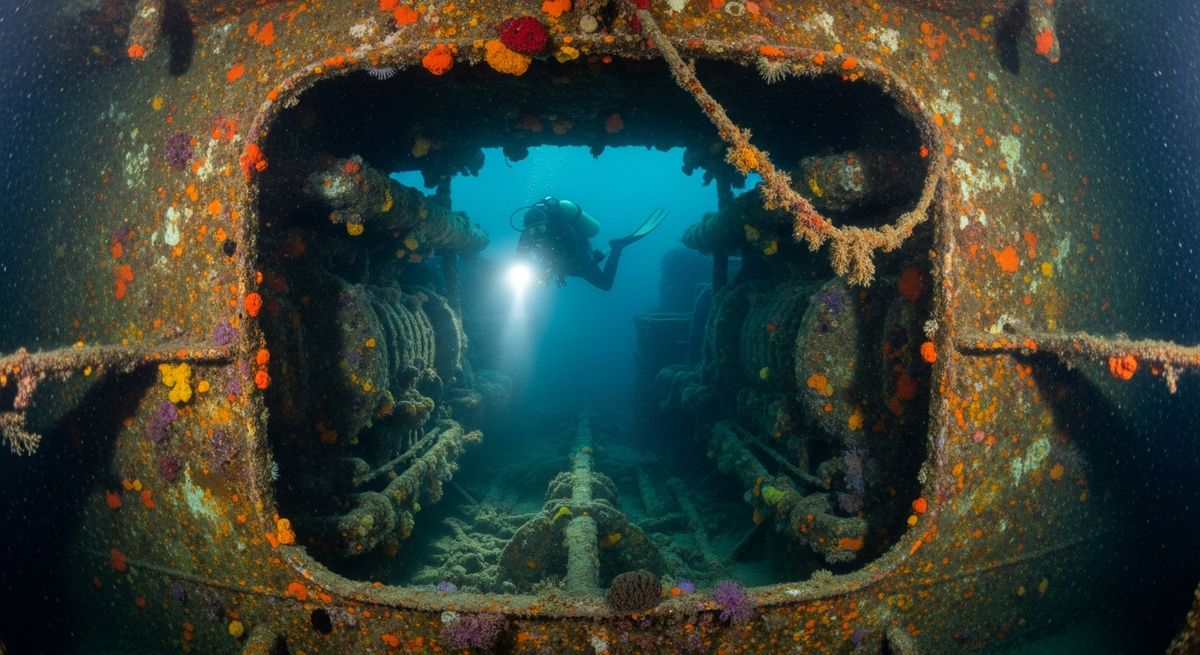
Abu Ghusun is a proper treat, especially if you’re new to wrecks and want something accessible but still genuinely interesting. It's a small cargo ship, the *Hamada*, that went down in 1993, and it sits upright and mostly intact in just 16 metres of water. We love a wreck that tells a story, and this one feels like it's just settled in for a long nap on the seafloor. The shallow depth means you get fantastic bottom time, letting you really poke around. Head inside the cargo holds, where the light filters down through the surface, creating these mesmerising shafts. It’s not spooky, just wonderfully atmospheric. Look for the resident glassfish clouds, shimmering in the shadows, and we’ve often found lionfish tucked into doorways, looking quite regal. The deck hosts a scattering of soft corals, and you'll spot parrotfish nibbling away. Our favourite part? The stern, where a small school of yellowfin barracuda sometimes circles, catching the light as they move. It’s an easy, leisurely dive, perfect for photographers or anyone keen to explore a piece of history without deep diving credentials.
Typical Abu Ghusun (Wreck) Dive Profile
Illustrative profile based on site depth and type. Actual dive profiles vary - always follow your dive computer and training.
Safety Notes
Wreck site - avoid penetration without wreck diving certification. Watch for sharp metal and entanglement hazards.
Always perform a 3-minute safety stop at 5m before surfacing.
Abu Ghusun (Wreck) Wreck History
Year Sunk
1993
Vessel Type
cargo ship
Cause
grounding
The wreck at Abu Ghusun is the SS Hamada, a 65-meter cargo ship that was transporting plastic granules when it was caught in a fierce storm in 1993. The vessel was driven onto the reef with such force that it broke in two, creating the fascinating dive site that exists today. The bow section came to rest on the shallow reef top, while the stern and main body of the ship settled deeper on the sandy slope.
This is a classic Red Sea wreck dive, suitable for divers of all levels. The dive typically begins on the deeper stern section, which sits at around 16 meters. Divers can explore the propeller, peer into the engine room, and swim through the cargo holds, where mounds of the plastic pellet cargo can still be seen. From there, the dive continues up to the shallow bow section, which lies in just a few meters of water. The easy access, clear water, and abundant marine life-including moray eels, lionfish, and schools of glassfish-make the Hamada a favorite among underwater photographers and wreck enthusiasts visiting Marsa Alam.
Nearest Dive Centres to Abu Ghusun (Wreck)
Dive shops near Abu Ghusun (Wreck)
Orca Hamata
Wadi Gimal
TGI Diving
ORCA DIVE CLUB WADI LAHMY AZUR
Red Sea Diving Safari
Barakuda Lahami Bay
Reviews for Abu Ghusun (Wreck)
Conditions
Ocean conditions, forecast and tides for Abu Ghusun (Wreck)
Abu Ghusun (Wreck) Ocean Conditions
Monthly averages for Abu Ghusun (Wreck), sourced from Open-Meteo marine data + Copernicus Marine (EU) - nearest station: Open-Meteo marine grid (24.21, 35.56) (1km away)
October Averages
Sea Temperature
29°C
83°F · Range: 27.3–30°C
Current Speed
3.61 cm/s
Direction: SE (146.3°)
Chlorophyll-a
0.07 mg/m³
Very clear (oligotrophic)
Salinity
38.47 PSU
Based on 4 years of monitoring data · Data sources: Open-Meteo marine data + Copernicus Marine (EU)
Plan & book
Ways to dive Marsa Alam, from day trips to liveaboards.
Day trips & courses
via GetYourGuideGuided dives, courses and snorkel trips with instant booking.
Find dive trips in Marsa AlamPlaces to stay
via Booking.comHotels and dive resorts near Marsa Alam.
Search stays in Marsa AlamDive insurance
Most travel insurance excludes or limits scuba. Check what you need before you go.
Dive insurance explainedPartner links: we may earn a commission if you book, at no extra cost to you. How we make money
Where to Stay near Abu Ghusun (Wreck)
Prices from Booking.com. We may earn a commission at no extra cost to you.