
Diving in Egypt
Why dive here
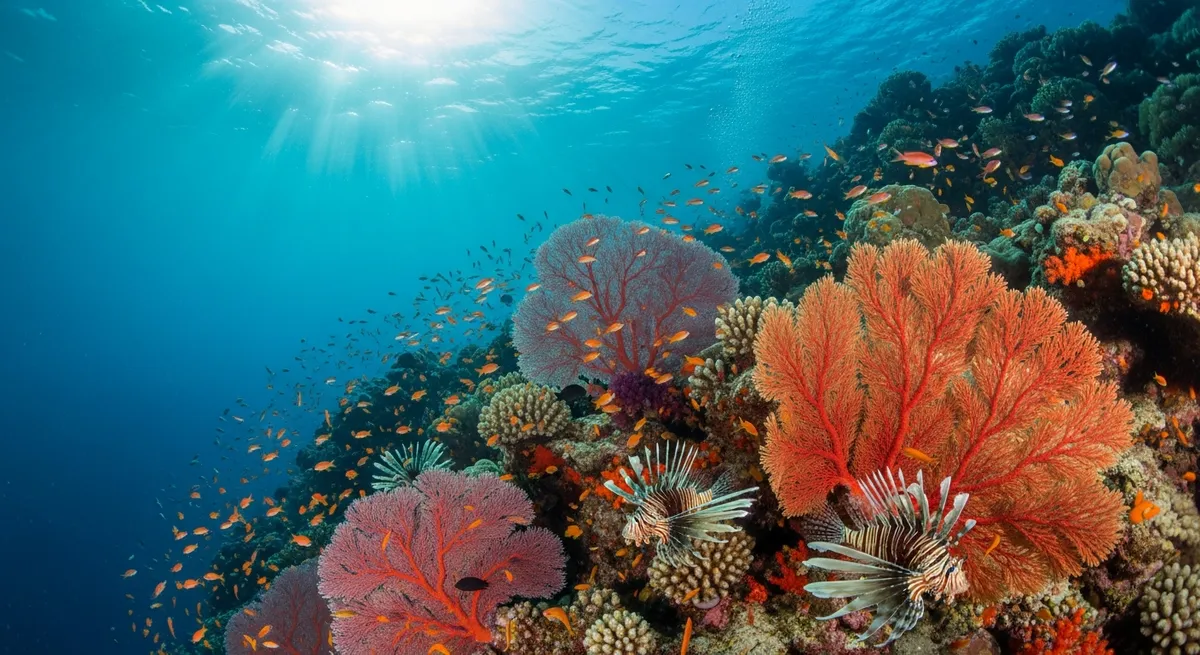
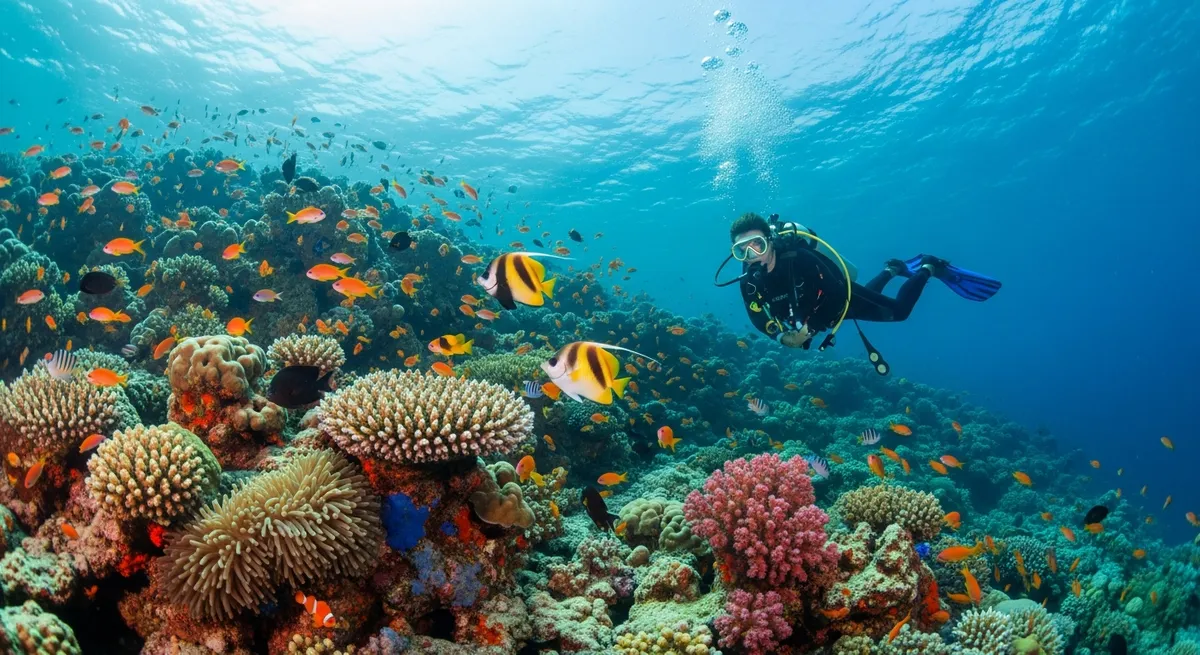
Egypt offers rich diving, with 104+ marine species recorded in its waters - including dolphins, humpback whales, oceanic whitetip sharks, octopuses and seahorses. Water ranges 22-30°C, warmest July, August, September.
Egypt, for us, is one of those places you keep coming back to. The Red Sea is reliably warm, visibility is usually excellent, and the reefs are just packed with activity. If you're into wrecks, the SS Thistlegorm is legendary for a reason - diving those holds, seeing the trucks and motorbikes, it’s a proper step back in time. For pelagics, the Brothers Islands deliver, often with Oceanic whitetips making an appearance, but you need to be comfortable with current out there. We’d suggest spring or autumn for the best conditions, dodging the summer heat and winter winds.
Egypt Dive Regions Map
Egypt Dive Regions
8 diving areas in Egypt
Brothers Islands
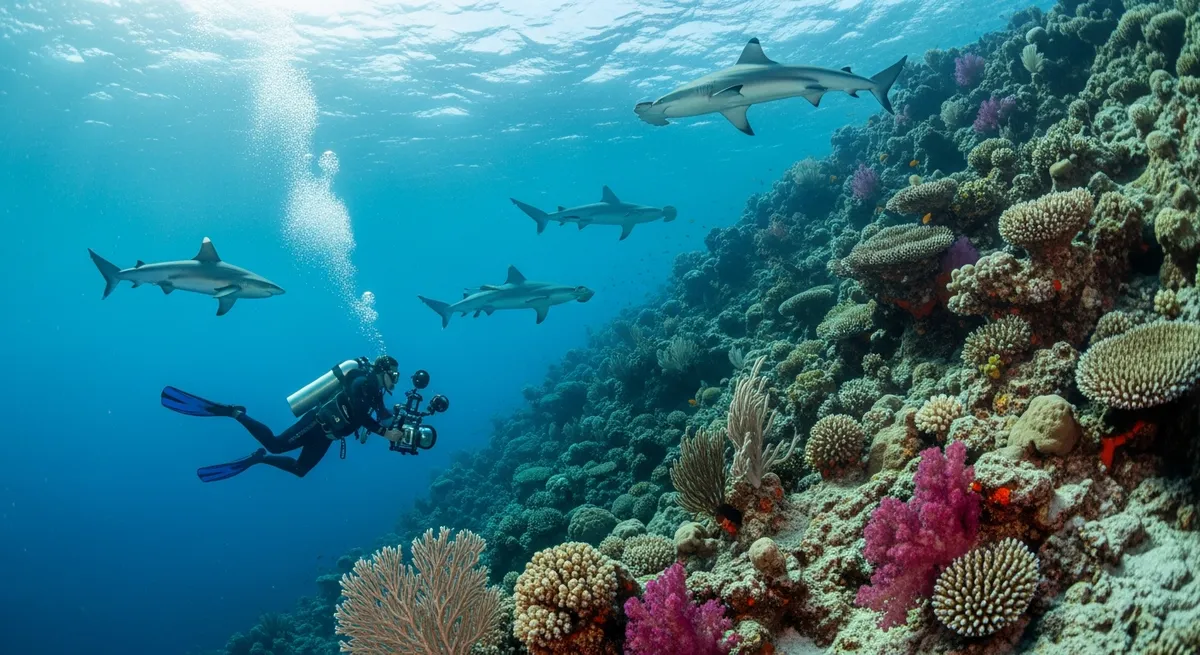
Two remote oceanic islands with dramatic walls, hammerhead sharks, oceanic whitetips, and historic wrecks. Live-aboard only.
Dahab
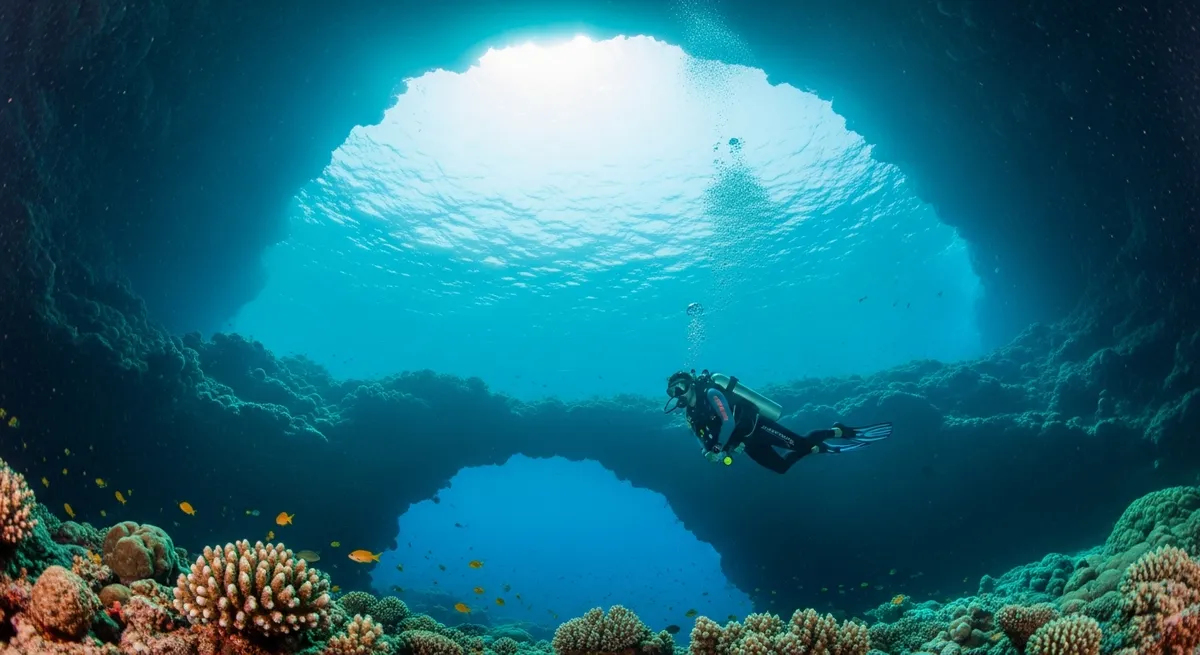
Dahab, for us, is the Red Sea's quirky, laid-back cousin. It’s where the mountains meet the sea in a spectacular, sun-baked landscape. This isn't your typical resort diving; here, it's all about accessible shore entries and some truly unique geology. Our favourite spots are the ones that lean into Dahab’s distinctive character. The Blue Hole, for all its fame, still mesmerises with its sheer drop, the light changing as you descend, and those deep-water overhangs. We always recommend an early morning dive there, before the crowds arrive. The Canyon is another standout, a genuinely surreal experience as you slip through the sandy chute, the light filtering in from above. Look out for the resident moray eels peeking from crevices. And don’t skip Eel Garden, where thousands of garden eels wave in unison from the sand, particularly impressive on a calm day. Conditions are generally kind here, making it a brilliant spot for newer divers to build confidence. We've seen everything from curious bottlenose dolphins cruising by, to the subtle beauty of fluorescence grass coral glowing under a torch. The staghorn corals are robust and healthy in many areas, providing shelter for colourful Klunzinger's wrasse and yellowtail surgeonfish. While you won't find raging currents often, a slight push can sometimes add to the drift feel along the reefs. Dahab just has this vibe, a place you can settle into for a week and feel truly at home underwater.
Deep South
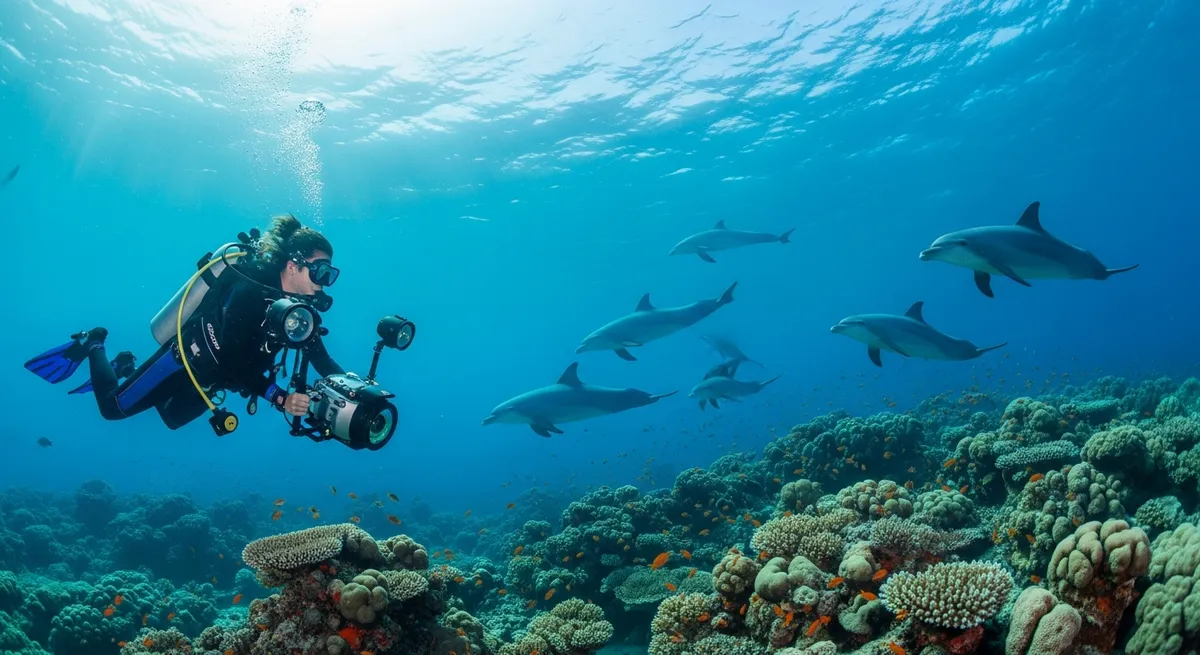
The Deep South is where we send divers who think they’ve seen it all in Egypt. Forget the bustling northern sites; this is raw Red Sea, often best explored by liveaboard. We're talking Fury Shoals, St. John's, Daedalus - places where the hum of the boat is often the loudest sound. What makes it special? It’s the sharks. Not just a fleeting glimpse, but often a consistent presence. Oceanic whitetips at Daedalus are a highlight, patrolling the walls with an almost casual confidence. And the spinner dolphins at Sataya Reef in Fury Shoals? They’re famously playful. We’ve had mornings there where we’ve spent an hour just floating, watching pods of them leap and spin, a proper wildlife show. Visibility here can be phenomenal, often stretching beyond 30 metres, which is handy when you’re looking out for those pelagics. The reefs themselves are healthy, with vibrant Staghorn coral formations and plenty of smaller stuff too - Duncker's pipefish hiding in the Paddle Grass, or Cowfish pottering over the reef top. Currents can be robust, especially at Daedalus, so it’s definitely one for advanced divers comfortable with drifts. Our advice? Go in autumn for the best chance of shark encounters, and always listen to your guide; they know where the action is.
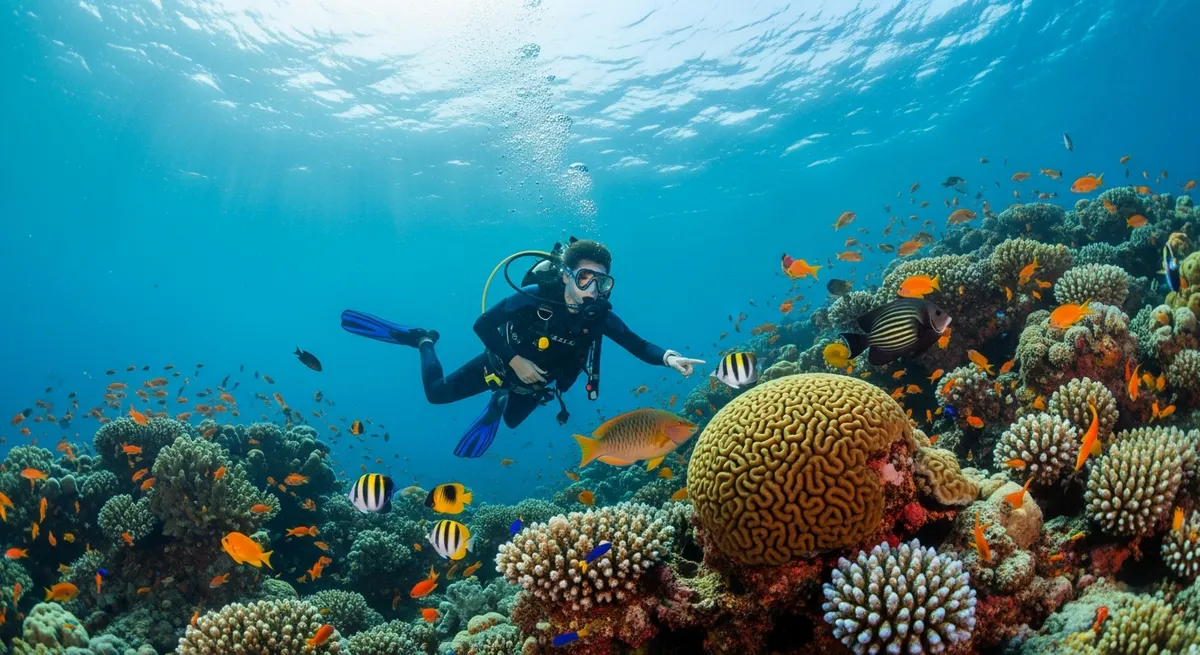
El Gouna
El Gouna is often overshadowed by its flashier neighbours, but we’ve always had a soft spot for its relaxed vibe and genuinely excellent diving. Think fewer crowds, fewer boats, and surprisingly healthy reefs just a stone’s throw from your resort. You get easy access to some of the northern Red Sea’s best, like the legendary Abu Nuhas wreck alley. We’re talking four historic wrecks in one concentrated area, each with its own character. The Ghiannis D, for instance, offers swim-throughs filled with glassfish, light filtering in through deck openings. Sha’ab el-Erg, often called ‘Dolphin House,’ is another highlight. On a good day, you’ll be in the water with pods of bottlenose dolphins, their clicks and whistles surprisingly clear even through a regulator. It’s not a guarantee, but those encounters are pure magic. We’ve found the early morning boat trips usually yield the best luck. For something a bit more advanced, Carless Reef can deliver proper shark action, though it often involves a bit more current. The reef structure itself is impressive, a deep wall draped in soft corals. We’d suggest going in the shoulder seasons, April-May or September-October, to dodge the peak heat and still enjoy superb visibility. It's a great choice for those who appreciate good diving without the hustle.
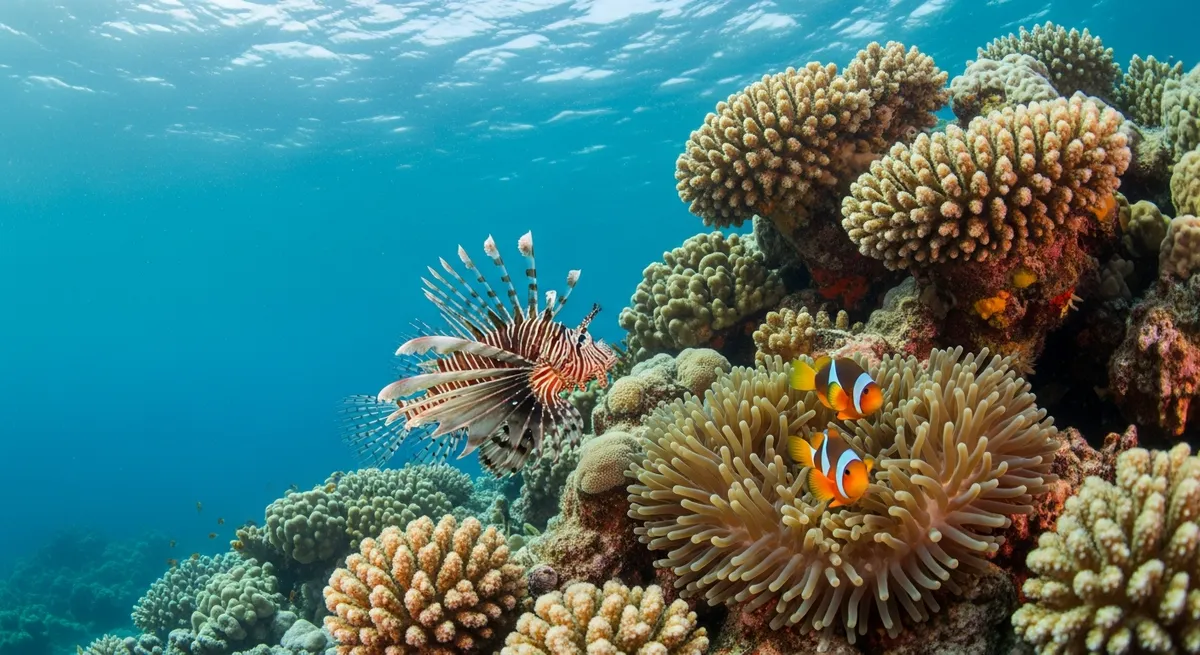
Hurghada
Hurghada has been a Red Sea staple for decades, and for good reason. It’s the original Egyptian dive hub, and while some of the nearshore reefs have seen better days, the further afield sites really deliver. We love the easy access to the Giftun Island reefs, where the schooling fusiliers can be so thick they block the sun. For the history buffs, Hurghada is the gateway to the famous Abu Nuhas wreck graveyard, with its four well-preserved ships, and the legendary SS Thistlegorm is just a longer day trip away. We’d suggest planning your dives for earlier in the morning to beat the crowds, especially around the more popular Giftun sites. Visibility is generally excellent, often pushing 30 metres, which makes those deeper sections of the wrecks particularly inviting. Look out for slender groupers tucked into the reef crevices and the distinctive candelamoa parrotfish grazing on the corals. We often see the vibrant red sea clown surgeons flitting around the coral heads and, if you’re lucky, a pod of bridled dolphins might just cruise by in the blue. The currents can pick up, particularly around the exposed Giftun sites, making for some exhilarating drift dives.
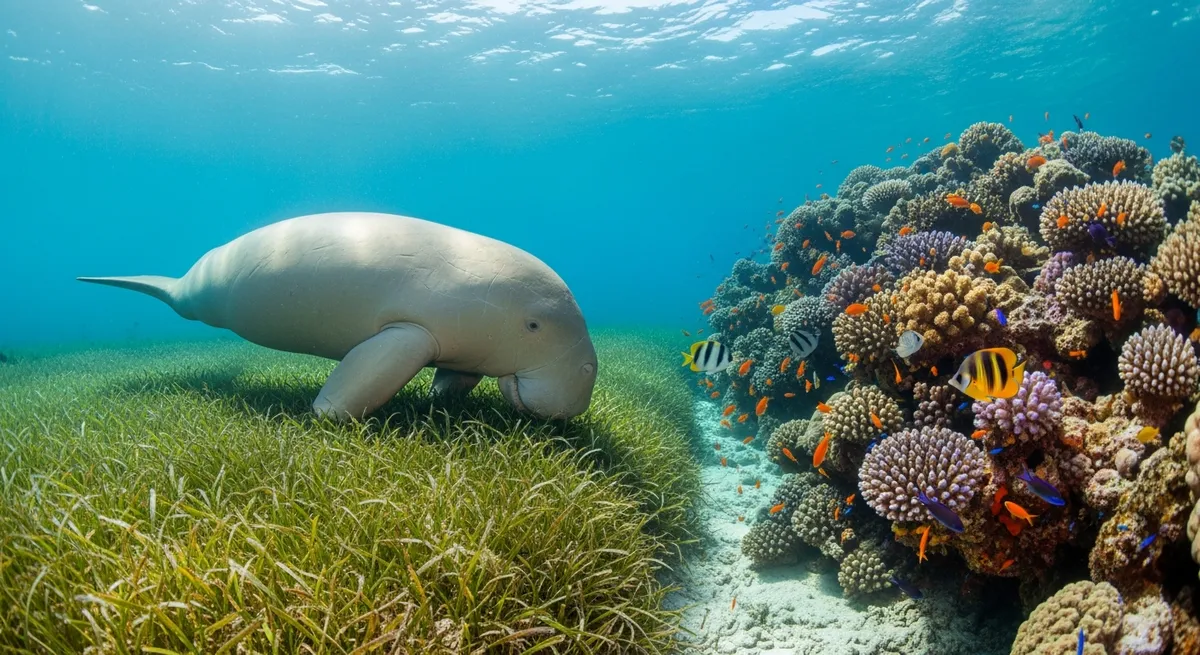
Marsa Alam
Marsa Alam, for us, is where the Red Sea really starts to feel wild. It's quieter down here, definitely less crowded than the northern sites, and that's a big part of its charm. We love the feeling of space you get. You’re more likely to spend your surface intervals spotting dolphins than dodging other dive boats. Take Samadai Reef, for example. We’ve had some incredible encounters there with pods of long-beaked dolphins, the sound of their clicks and whistles echoing through the water as they zip past. It's a truly exhilarating experience. Then there's Abu Dabbab, a calm, shallow bay where the seagrass meadows are a magnet for dugongs. Drifting over them, watching these gentle giants graze, is pure serenity. It’s an almost spiritual experience, honestly, a real change of pace from the adrenaline of other sites. For those who like a bit more thrill, Elphinstone Reef delivers. It’s a proper offshore pinnacle, often with a decent current, and it’s famous for its oceanic whitetips. Seeing those sharks cruise out of the deep blue, unperturbed by your presence, is always a heart-stopper. We'd suggest going early in the morning for the best chance of spotting them. The reef itself is also beautiful, with big gorgonian fans and a healthy soft coral growth. Just remember, it can get sporty out there, so good buoyancy is a must. Marsa Alam feels like stepping back into a slightly more pristine version of the Red Sea, where the big stuff still shows up with reassuring regularity.
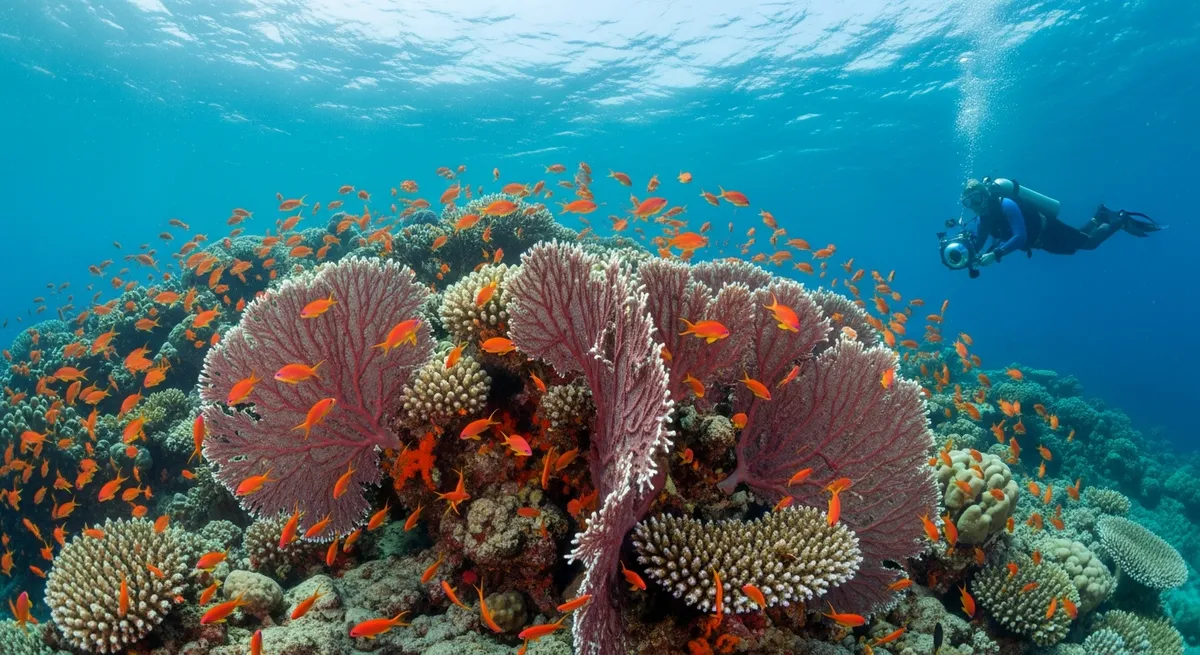
Safaga
Safaga. It's often overlooked, sitting just south of Hurghada, but we think that's precisely its charm. You’ll find fewer crowds here, more space on the reefs, and a genuinely relaxed vibe, which we always appreciate. We particularly love the offshore sites; Tobia Arba, with its seven pinnacles, feels like a private aquarium, and we’ve often spent entire dives simply circling one coral head, spotting ocellated plesiops peeking out. The diving here really shines on the big reef systems like Panorama Reef. It’s a huge, sloping wall that just keeps giving, often with schools of diagonal butterflyfish fluttering in the blue. Keep an eye out for greenband parrotfish chomping on the coral and brownbanded wrasse darting between crevices. Of course, the Salem Express wreck is a powerful experience; it’s a sombre dive, but you get a real sense of scale and history. We always find the visibility here generous, often reaching 30 metres, especially outside of the summer months when the water is cooler and clearer. You might even hear the distinct clicks of dolphins in the distance.
Sharm el-Sheikh
Sharm el-Sheikh is where many of us got our first taste of proper Red Sea diving, and it still holds a special place. Forget the crowded resorts; the real draw is the easy access to some truly epic sites. We love the drift dives along the walls of Ras Mohammed National Park, especially around Shark and Yolanda Reefs. You’re practically guaranteed to see those enormous schools of fusiliers, so thick they blot out the sun, and usually a grey reef shark or two cruising past. The Thistlegorm wreck is another absolute classic. Go early to beat the crowds and watch the resident batfish and barracuda wake up. We’d suggest visiting outside of peak summer if you can, the water is still warm and the dive boats are a bit less packed. Visibility is generally excellent year-round, often pushing 30 metres, which is handy when you're trying to spot a bullethead parrotfish munching on coral. The currents can pick up, especially in the Straits of Tiran, making for some exhilarating drifts, but nothing an intermediate diver can't handle. Keep an eye out for dolphins, we've had some incredible encounters with Indian Ocean bottlenose pods here. Sharm delivers consistent, vibrant diving without too much fuss.
Ocean Wildlife in Egypt
104 species recorded in Egypt
Egypt Visa Requirements
Check if you need a visa to dive in Egypt
Plan & book
Ways to dive Egypt, from day trips to liveaboards.
Day trips & courses
via GetYourGuideGuided dives, courses and snorkel trips with instant booking.
Find dive trips in EgyptPlaces to stay
via Booking.comHotels and dive resorts near Egypt.
Search stays in EgyptDive insurance
Most travel insurance excludes or limits scuba. Check what you need before you go.
Dive insurance explainedPartner links: we may earn a commission if you book, at no extra cost to you. How we make money