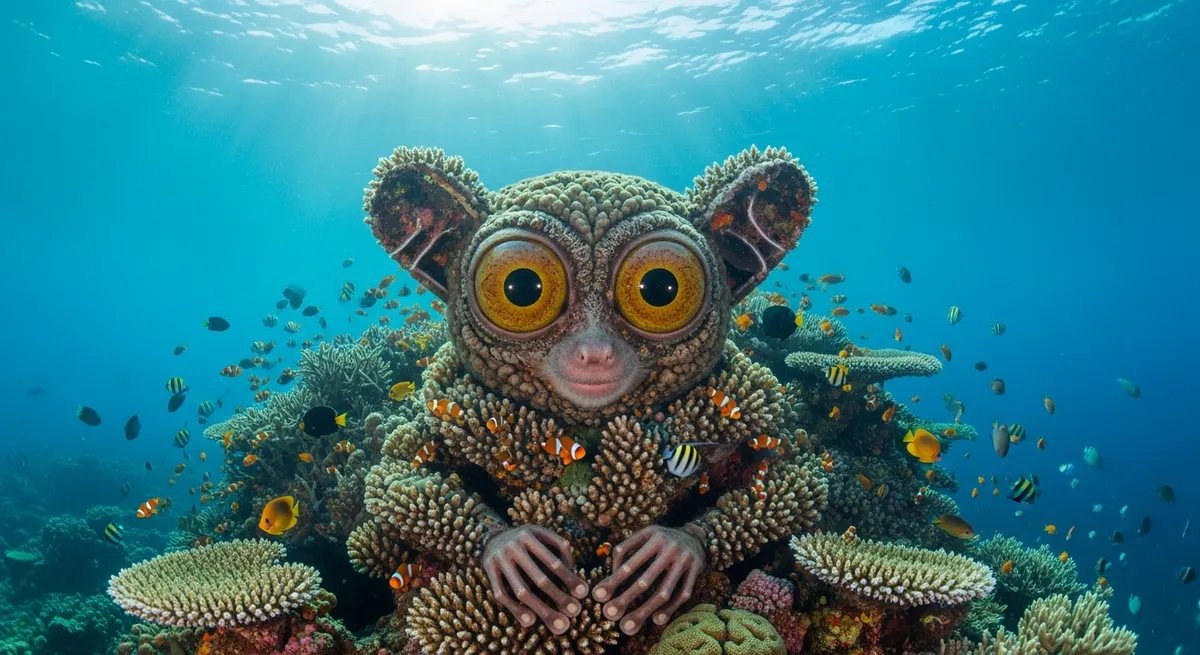
Diving in Bohol
Why dive here
Bohol offers some of Philippines's richest diving, with 143+ marine species recorded in the area - including barracuda, mandarin fish and pufferfish. Water ranges 28-30°C, warmest May, June, July.
Bohol delivers that classic Philippine dive vibe, but with a friendly, laid-back twist. We love Balicasag Island for its sheer walls, a proper freefall into the blue where you can often spot schooling barracuda or big trevally cruising by. Our favourite is slipping into the shallows around Panglao’s house reefs, where the macro life is always putting on a show: keep an eye out for the Slimy Cusk or the wonderfully quirky New Guinean Anglerfish tucked amongst the sponges. It’s not just about the big stuff, though whale shark encounters are a regular thrill and dolphin pods often make an appearance on boat rides. We always find the currents around Balicasag can be pretty zippy, so it pays to listen to your guide and perhaps consider a reef hook if you want to really savour the moment. Visibility is generally excellent, but we’d suggest diving early to avoid the crowds, especially at the more popular Balicasag sites. It’s a great place to refine your buoyancy over vibrant reef slopes or explore a muck site for critters like the Mangrove Cardinalfish.
Bohol Dive Site Map
Dive sites and dive centres in Bohol
Bohol Dive Sites
149 dive sites in Bohol
Acro Point
Acro Point is one of our favourite spots in Bohol. We’ve had some truly fantastic dives here, the kind where you surface buzzing. The corals really take centre stage, particularly the Acropora, which forms these sprawling, dense thickets – hence the name, we reckon. It's like swimming through a coral city, full of little alleyways and overhangs. You’ll spot plenty of critters tucked away. Keep an eye out for Variable Strombs plowing through the sand patches and those charming hermit crabs scuttling around. We’ve often seen tigerfish schooling just off the main reef, their stripes flashing as they zip past. The visibility is usually excellent, often 20 metres plus, which makes appreciating the sheer scale of the coral formations even better. We'd suggest going in the morning; the light filtering through the Acropora is just something else. It's generally a pretty gentle dive, suitable for most experience levels, but there can be mild currents at times, so just be aware.
Alcoy sanctuary
Alcoy sanctuary off Bohol offers a mellow dive, perfect for those seeking an easy afternoon. The site is a gradual slope of mixed corals, where we often spot smaller reef fish darting between the bommies. It’s a good spot for newer divers, or anyone keen on a relaxed pace without strong currents. Expect a pleasant, unhurried exploration.
Andres Reef
Andres Reef gives you a good, solid dive without too much fuss. We've often found ourselves drifting along here, taking in the seagrass beds, particularly the thalassia and cymodocea, which are always worth a closer look for what's lurking within. Keep an eye out for cowries and the oddly named Strawberry Drupe nestled among the corals, especially the Staghorn. It’s a generally calm spot, making it a good choice for newer divers or those who just want an easy, relaxing drift.
Aquarium
Aquarium in Bohol is a straightforward dive, topping out at 19 metres, making it an easy choice for beginners. You’ll find a sandy slope dotted with small coral patches, home to a decent number of reef fish. We often see schools of snapper here, along with the occasional moray eel peeking from a crevice. It’s a gentle introduction to Bohol diving, nothing too dramatic, but consistently pleasant.
BALABAGON
Balabagon offers a gentle introduction to Bohol's underwater world, a comfortable 24-meter maximum depth for newer divers. You'll find a sloping sandy bottom here, dotted with small coral patches and a good chance of spotting various reef fish like parrotfish and small групперы. It's a relaxed, easy dive, great for knocking off some rust or getting accustomed to the local conditions before tackling more challenging sites.
Baluarte
Baluarte, we think, is one of Bohol’s more understated sites, often overshadowed by its flashier neighbours. But spend some time here, really slow down, and you’ll find it rewards a patient eye. We love to drop in and drift along the wall, letting the current do the work. The corals aren't as dense as some other spots, but what's there feels robust, well-established. Our favourite part is the sheer density of the smaller stuff. We’ve found Giant Squirrelfish staring out from every crevice, their eyes like little red lamps in the dim light. Keep an eye out for the Enigmatic Moray, perfectly camouflaged against the rock, and the tiny Flaming Blennies darting in and out of their holes. We often spot Bandcheek Wrasse zipping past, and if you’re lucky, a Sculptured Mitten Lobster peeking out from under a ledge. We always dedicate a good chunk of our dive to the shallower sections, around 10-15 metres, where the light plays beautifully off the reef and the concentration of species like the Northern Bicoloured Triplefin is fantastic. It’s a site that really suits macro photographers or anyone who enjoys a deliberate, unhurried dive, where every few minutes reveals something new and wonderful if you just stop and look closely.
Black Forest
Black Forest in Bohol is one of those sites we always try to hit, especially if we’ve got new divers along or someone who just wants an easy, rewarding dive. It’s not about huge pelagics here, though you do sometimes get a surprise visitor cruising by. Instead, we love it for its sheer density of smaller reef life, all tucked into the corals and sandy patches. Drop in and you’re immediately surrounded by chromis, the Twinspot and Dark-fin varieties darting everywhere. Get closer to the reef and the real show begins. We always find Pictus Blennies bobbing their heads out of tiny holes, and a good eye can spot the incredibly camouflaged pygmy gobies – Blackbelly, Moorea, and Stobbs' are all regulars here. Look for Horned Squirrelfish lurking in the shadows and Blue-finned Rock Cod parked in crevices. The corals themselves are healthy and colourful, creating perfect hideouts for Scarlet and Blue-scaled wrasses. Keep an eye on the sandy areas for Banded Goatfish sifting through the substrate, and you might even stumble upon a cowry slowly making its way across a rock. It’s a photographer’s dream if you’re into macro, and a fantastic place for newer divers to practice buoyancy while still being completely engrossed. Come at slack tide for the easiest conditions; a bit of current just brings more fish out.
Black Forest Entry Point
Black Forest Entry Point. Even the name sounds a bit dramatic, doesn't it? And honestly, it lives up to it. We consider this one of Bohol's really special sites, a place that rewards a slow, deliberate dive. What makes it special? The sheer volume of black corals, which give the site its name, but also the way the light filters through them. It creates this moody, almost ethereal feel, especially on a sunny day when the rays pierce through the deeper sections. You’re not here for big pelagics, though we have seen a passing turtle or two. This is a macro and critter hunter's dream. Our favourite part has to be finning slowly along the wall, eyes peeled for the little guys. We’ve spotted countless pygmy gobies, like the Moorea and Forktail, tucked into tiny crevices. The nudibranchs here are fantastic, particularly the vibrant bicolor nudibranch. Look out for the Sunburst Butterflyfish darting between the coral branches, they’re always a treat. It’s generally a pretty relaxed dive, suitable for most experience levels, but strong currents can pick up, so it's always worth checking with your dive centre on the day. We'd suggest going in the morning; the light is just better.
Black Forest Exit Point
We’ll just say it: Black Forest Exit Point is our favourite little slice of Bohol diving. While some of the more famous sites get all the glory, this place just delivers. You drop in over a shallow, sloping reef, usually with a gentle current pushing you along, and immediately you’re into the namesake black coral. Not just a few bushes; we’re talking entire fields of it, swaying like dark, ghostly trees. It creates such a unique, moody vibe – completely different from the sun-drenched hard coral gardens you find elsewhere. Keep an eye out for the small stuff here. We've spent entire dives just hovering, picking out diagonal-lined wrasse darting between the branches, or spotting a well-camouflaged coral hawkfish perched perfectly. The bluespotted shrimpgoby is a regular sight, always a treat to watch them tending their burrow. And the cowries! So many different kinds tucked away. It’s a macro dream, but the scale of the black coral itself is what really pulls you in. We think it’s best for divers who appreciate a slower pace, those who like to really observe rather than race past. If you’re a photographer, this is a goldmine, especially in the late afternoon light when the black coral seems to glow.
Bonifacio Reef
Bonifacio Reef off Bohol offers a decent dive, especially if you're looking for something a bit less crowded than some of the region’s busier spots. We generally find a good scattering of Staghorn coral here, providing homes for smaller reef dwellers. Keep an eye out for the occasional cowry shell tucked into the substrate, and the seagrass beds often hide interesting critters like the Strawberry Drupe. It's a relaxed dive, good for photographers who like to take their time, or anyone wanting a chill afternoon in the water.
Caceres North
Caceres North offers a gentle introduction to diving in Bohol, with a consistent depth of 16m. We often find juvenile reef fish here, along with the occasional nudibranch if you look closely. It's a straightforward spot, making it suitable for beginners or those wanting a relaxed, shallow dive to shake off the dust.
Caceres South
Caceres South sits at a comfortable 17 meters, making it a good choice for newer divers in Bohol. You'll find a gently sloping reef here, populated with a nice scattering of soft corals and anemones. It’s a pleasant drift, usually with mild currents, and we often spot anemonefish and juvenile reef fish tucked into the coral. This site is perfect for an easy second dive or for getting back into the swing of things.
Show all 149 dive sites in Bohol
- Cambakis Point
- Cars dive
- Cars Dive
- Cathedral tower
- Cathedral wall
- Catmon Pt
- Cervera Shoal
- Chapel
- Clara Reef
- Coca Cola Wreck
- Coconut Point
- Cogon
- Colase
- Convention Reef
- Copton point
- Dako Bato
- Danajon Bank
- DA-West
- Disneyland
- Divers heaven
- Dive Spot Asia House Reef
- Diving spot 2
- Diving spot 2
- Doljo Point
- Dolphin House
- Dolphin House Moalboal
- Doug's Ridge
- Elco Wreck
- Enoy's Wall
- Eva s Point
- Fallen Tree
- Fees : Snorkeling set : 150PHP, Guide for 2 people : 250PHP. They don't let you go inside the water if you don't take a guide ...
- Fish Sanctuary
- Garden Eels
- Good snorkelling spot to see turtles (May ‘18) no need for boat!
- Good snorkelling spot to see turtles no need for boat!
- Gorgonia wall
- Great Canyons
- Greenhorn
- Habagat Wreck
- Habok Habok
- Hillary's Reef
- Hilutungan Sanctuary
- Hilutungan Sanctuary
- Jigdup Reef
- Juliens wreck
- Kalipayan
- Kalipayan
- Kan Uran
- Kasai Point
- Kasai Wall
- Katipanan
- Kenzai
- Kevin s Reef
- Kosai
- Kuransoy Wall
- Lambug Beach
- Langilang
- Largahan
- Lavin
- Leonardo
- Lighthouse West
- Lolongs Wall
- Looc
- Luisan Shoal
- Ma-Asin 1
- Ma-Asin 3
- Mad Max
- Magic Island House Reef /Turtle Point
- Mamaan
- Mamsa point
- Manta Drop
- Manta Point
- Manta Reef
- Mantigue Island
- Marcelo Ree
- Marco Polo
- Maria Elena
- Marine Sanctuary
- Matatindoc Point
- Mathilda Bay
- Moalboal
- Moalboal Bay (Muck diving)
- Molmol Pt.
- Moulin Romantica
- MS Jojo
- Mystery Wall
- Napaling Wall Dive
- Nindot Cantil
- North Wall
- Obon Point
- Pamilacan Island
- Panagsama Beach
- Pangas
- Pescador Island
- Pier Bulata
- PRINCESS OF ANTIQUE
- Pungtud Wall
- Rico s Wall
- Rock-Point
- Rock point East
- Rock point West
- Rudy s Rock
- Sampaguita
- Sanctuary
- Sand Bar Sanctuary
- Santa Cruz
- Santa Maria
- Shark view point
- Southern Leyte Divers
- South point
- Spiral Drops
- SPORTIVO
- SS Panay
- Sumilon Island
- Sunken island
- Sunken Island
- Surprise Valley
- Talisay tree
- Talisay Wall
- Tamps
- Tanguigue Reef
- Tongo
- Tongo point
- Toscana Reef
- Tuble Reef
- Turtle Island North
- Turtle Island South
- Twin Peaks
- USS Cisco
- Whale shark watching
- White beach
- White House / Mermaid Statue
- White Island Black Forest
- White Island Reef
- Wiener
- Wilson's Reef
Bohol Dive Centres
103 dive shops and operators in Bohol
300-meter Deep Diving Wall
Abyss Divers
AivyMaes Divers Paradise Resort
Alona Divers
Amigos Dive Center
Anda Divers Enjoy Garden Resort
Anda Scuba Diving
Apo scuba
Show all 103 dive centres in Bohol
- Aqua Journey Dive Shop
- Aqua-Landia Dive Resort
- Aquamundo
- Aquaventure Whitetip Dive Supply
- Aquaventure Whitetip Dive Supply
- Aquaventure White Tip Dive Supply
- Asian Belgian Dive Resort
- Awesome Dive
- Azure Dive & Yoga Resort
- Baywatch Dive Resort
- Beach Cafe & Dream Diving Resort
- Blue Freedom Apnea
- Blue Orchid Resort
- Bohol Divers Club Dive Center
- Bohol-Lahoy Dive and Beach Resort
- Bongo Bongo Divers
- Cebu Dive Center
- Cebu Fun divers
- Deep Blue Dive Resort
- Deeper Dive
- Deep Zone Dive Center
- Dive Anini-y (Boy's Dive Shop)
- Dive Camp
- Dive Point DC
- Dive Point Siquijor
- Divers Point Cebu
- Dive-Society
- Dive Spot Asia
- DIVE SPOT ASIA & BRUMINI BEACH RESORT
- Dive Thru
- Dive Works
- DiveWorks
- Diving School Pata Negra
- Dodong & Inday Snorkeling Shop
- Dumaguete Divers
- Easy Diving Sipalay
- Emerald Green Diving Center
- Equation Diving
- Eve's Kiosk Dive Resort
- Ex Bahura Dive Resort
- Flora's Dive & Resort
- Freediving Philippines
- G. Divers
- Genesis Divers
- Harold's Dive Center
- Harold's Dive Center
- Hidden Coral Diver's Club and Resort
- June Dive Resort
- Kasai Village Dive Center
- Kawayan Holiday Divers
- Kiwi Dive Resort
- Last Frontier Dive
- Love's Beach and Dive Resort
- Majestic Oceans Dive
- M&L Diver Town
- Mr. Divers Dive Center
- Mystic Divers
- Nabulao Dive and Beach Resort
- Neptune Diving Resorts
- Oceanholic Dive Resort
- Oceanlife Explorers Resort, Dive and Research Center
- Ocean Safari Philipines
- Pacifica Dive
- Paul's Dive Shop
- People Dive Resort
- Pescador Diving Center
- Philippine Fun Divers
- Piratas Alona Dive Center
- Poby Divers Center
- Prana divers
- PSI DIVE
- Quo Vadis dive center
- Russian Divers Club
- Savedra Dive Center
- SCUBAble Dive Shop
- Scuba Ventures
- Sea Explorers
- Sea Explorers Sipalay
- Sea pearl Divers
- Seaquest Dive Center
- Seaquest Dive Center
- Sherwood Bay Resort and Aqua Sports Inc.
- SiDive
- Sierra Madre Divers
- Siquijor Divers
- SK Divers Center
- Sun Divers
- The Blue Abyss Dive Shop
- The Wild Orchid Resort
- Tiki Divers Resort
- Turtle Bay Dive Resort
- Uncle Mike's Crib
- Valm Divers
- Vibrations dive center
- Wellbeach Dive Resort
Ocean Wildlife in Bohol
143 species recorded in Bohol
Bohol Daylight & Sunrise/Sunset
Sunrise and sunset times for Bohol, calculated from coordinates
Today - Sunday 11 October
Sunrise
05:36
Sunset
17:34
Daylight
11h 57m
Golden Hour
17:06
First light (dawn) at 05:15 · Last light (dusk) at 17:55
Monthly Averages
| Month | Sunrise | Sunset | Daylight |
|---|---|---|---|
| Jan | 06:09 | 17:46 | 11h 37m |
| Feb | 06:08 | 17:57 | 11h 49m |
| Mar | 05:56 | 17:59 | 12h 4m |
| Apr | 05:38 | 17:58 | 12h 20m |
| May | 05:28 | 18:01 | 12h 34m |
| JunLongest | 05:28 | 18:09 | 12h 41m |
| Jul | 05:35 | 18:13 | 12h 38m |
| Aug | 05:39 | 18:06 | 12h 27m |
| Sep | 05:38 | 17:49 | 12h 11m |
| OctNow | 05:36 | 17:32 | 11h 55m |
| Nov | 05:42 | 17:23 | 11h 41m |
| DecShortest | 05:56 | 17:30 | 11h 34m |
Times are approximate local times based on longitude. Actual times may vary slightly depending on the exact timezone observed in Bohol.
Where to Stay near Bohol
Prices from Booking.com. We may earn a commission at no extra cost to you.
Marine Protected Areas near Bohol
42 protected areas near Bohol - please respect local regulations when diving
Tañon Strait Protected Seascape
Negros Occidental Coastal Wetlands Conservation Area (NOCWCA)
Dauis, Tagbilaran Bohol
Baclayon, Tagbilaran Bohol
San Juan Siquijor
Sagay Marine Reserve
Tobias Fornier Marine Protected Area Networking
Cuatro Islas Protected Landscape & Seascape
Dumaguete City, Negros Oriental
Island of Banaon, Basaan, Saac, Tambu, Bambanon Wilderness Area
Island of Panglao; Mangrove areas from the west of Loboc River to the municipality of Laya Mangrove Swamp Forest Reserve
Aliguay Island Protected Landscape & Seascape
Showing 12 largest of 42
Getting to Bohol
Dumaguete City
Cebu City/Lapu-Lapu City
Bacolod City
Plan & book
Ways to dive Bohol, from day trips to liveaboards.
Day trips & courses
via GetYourGuideGuided dives, courses and snorkel trips with instant booking.
Find dive trips in BoholPlaces to stay
via Booking.comHotels and dive resorts near Bohol.
Search stays in BoholDive insurance
Most travel insurance excludes or limits scuba. Check what you need before you go.
Dive insurance explainedPartner links: we may earn a commission if you book, at no extra cost to you. How we make money