Acro Point
Protected Area
Island of Panglao; Mangrove areas from the west of Loboc River to the municipality of Laya Mangrove Swamp Forest Reserve
Why dive here
With 143+ marine species recorded in the area - including barracuda, mandarin fish and pufferfish - Acro Point offers some of Bohol's richest diving. Water ranges 28-30°C, warmest May, June, July.
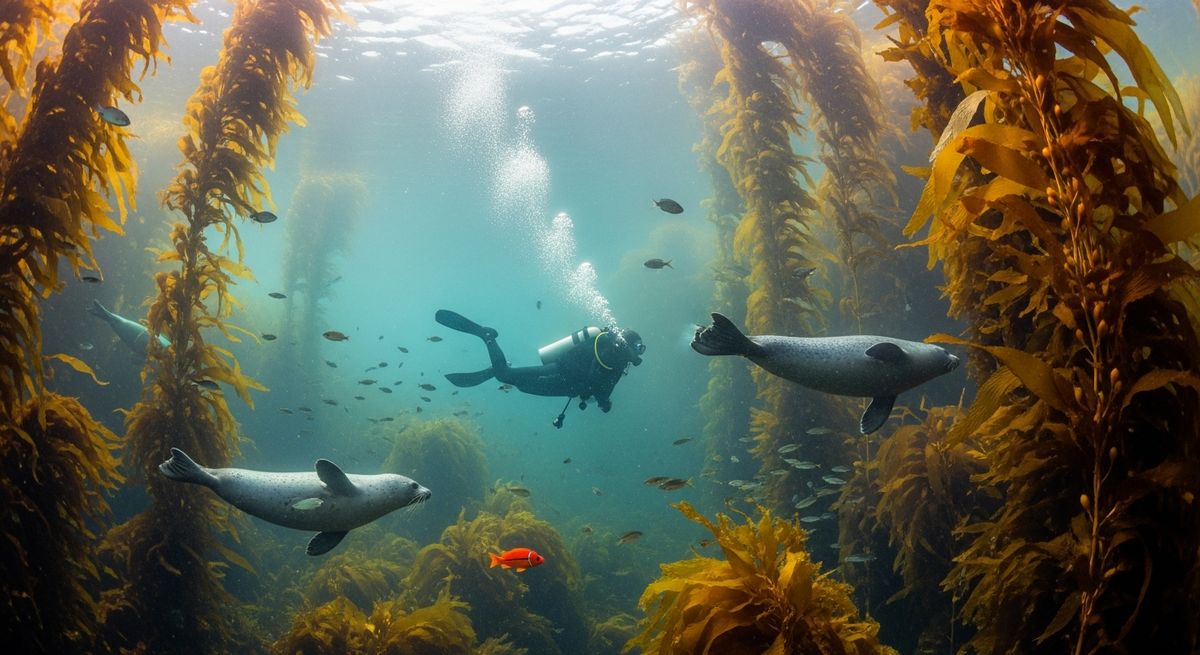
Acro Point is one of our favourite spots in Bohol. We’ve had some truly fantastic dives here, the kind where you surface buzzing. The corals really take centre stage, particularly the Acropora, which forms these sprawling, dense thickets – hence the name, we reckon. It's like swimming through a coral city, full of little alleyways and overhangs. You’ll spot plenty of critters tucked away. Keep an eye out for Variable Strombs plowing through the sand patches and those charming hermit crabs scuttling around. We’ve often seen tigerfish schooling just off the main reef, their stripes flashing as they zip past. The visibility is usually excellent, often 20 metres plus, which makes appreciating the sheer scale of the coral formations even better. We'd suggest going in the morning; the light filtering through the Acropora is just something else. It's generally a pretty gentle dive, suitable for most experience levels, but there can be mild currents at times, so just be aware.
Nearest Dive Centres to Acro Point
Dive shops near Acro Point
Majestic Oceans Dive
Blue Freedom Apnea
Diving School Pata Negra
Sun Divers
Genesis Divers
Baywatch Dive Resort
Reviews for Acro Point
Conditions
Ocean conditions, forecast and tides for Acro Point
Acro Point Ocean Conditions
Monthly averages for Acro Point, sourced from Open-Meteo marine data + Copernicus Marine (EU) - nearest station: Open-Meteo marine grid (9.86, 123.34) (28km away)
October Averages
Sea Temperature
30°C
86°F · Range: 29.1–31°C
Current Speed
6 cm/s
Direction: S (180°)
Chlorophyll-a
0.081 mg/m³
Very clear (oligotrophic)
Salinity
33.18 PSU
Based on 4 years of monitoring data · Data sources: Open-Meteo marine data + Copernicus Marine (EU)
Plan & book
Ways to dive Bohol, from day trips to liveaboards.
Day trips & courses
via GetYourGuideGuided dives, courses and snorkel trips with instant booking.
Find dive trips in BoholPlaces to stay
via Booking.comHotels and dive resorts near Bohol.
Search stays in BoholDive insurance
Most travel insurance excludes or limits scuba. Check what you need before you go.
Dive insurance explainedPartner links: we may earn a commission if you book, at no extra cost to you. How we make money
Where to Stay near Acro Point
Prices from Booking.com. We may earn a commission at no extra cost to you.