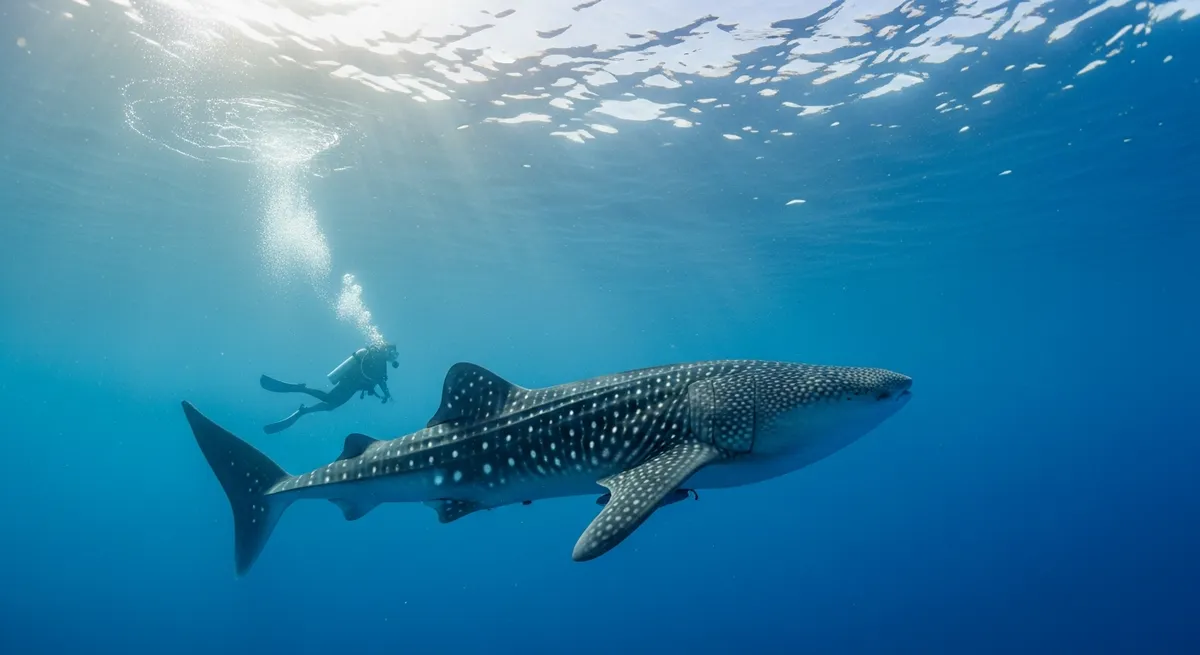

Diving in Philippines
Why dive here
Philippines offers rich diving, with 797+ marine species recorded in its waters - including barracuda, blacktip reef sharks, blue-spotted stingrays, bull sharks and dolphins. Water ranges 28-29°C, warmest May, June, July.
The Philippines feels like a secret handshake among divers. You arrive expecting good diving, then discover just how varied it really is, island after island. We find ourselves drawn back to the Visayas for a classic liveaboard circuit, where you might spot thresher sharks in Malapascua one morning and be drifting over vibrant soft corals near Apo Island by afternoon. For a different vibe, Romblon’s muck diving delivers some truly bizarre critters, a macro photographer’s dream. If you’re lucky enough to snag a spot on a Tubbataha liveaboard, usually between March and June, you’ll experience some of the healthiest reefs we’ve ever seen, though it's a deep blue water trip, not for beginners. This isn’t a destination for one quick trip; it’s a country that rewards repeat visits.
Philippines Dive Regions Map
Philippines Dive Regions
12 diving areas in Philippines
Anilao
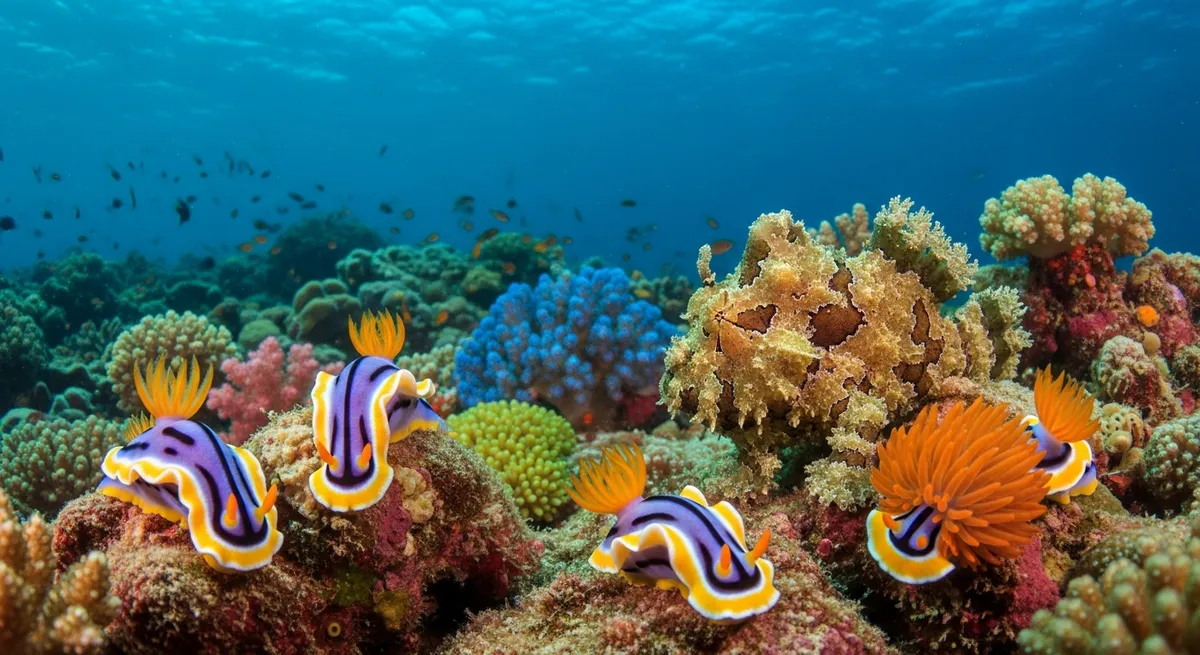
Anilao, a few hours south of Manila, feels like the spiritual home of Philippine diving. It's not about grand pelagics or sweeping walls here, though you’ll find some lovely reef dives. Anilao shines brightest for the small stuff, a real macro photography mecca. We love spending an hour on a single square metre of muck, finding Messmate Pipefish swaying gently or spotting a Stout Red Shrimp darting into an anemone. It’s a patient diver’s dream. You’ll encounter an incredible array of nudibranchs - truly, it feels like a competition to spot the rarest one - alongside pygmy ribbon-tail catsharks tucked under ledges and banded blennies peeking from their holes. Our favourite dives often involve a slow drift over a sandy slope, eyes peeled for juvenile angelfish or a well-camouflaged hawkfish. The visibility can vary, but generally, it’s clear enough to appreciate the intricate details. We'd suggest going during the dry season, November to May, for calmer seas and the best chances to really settle in and find those tiny treasures.
Apo Reef
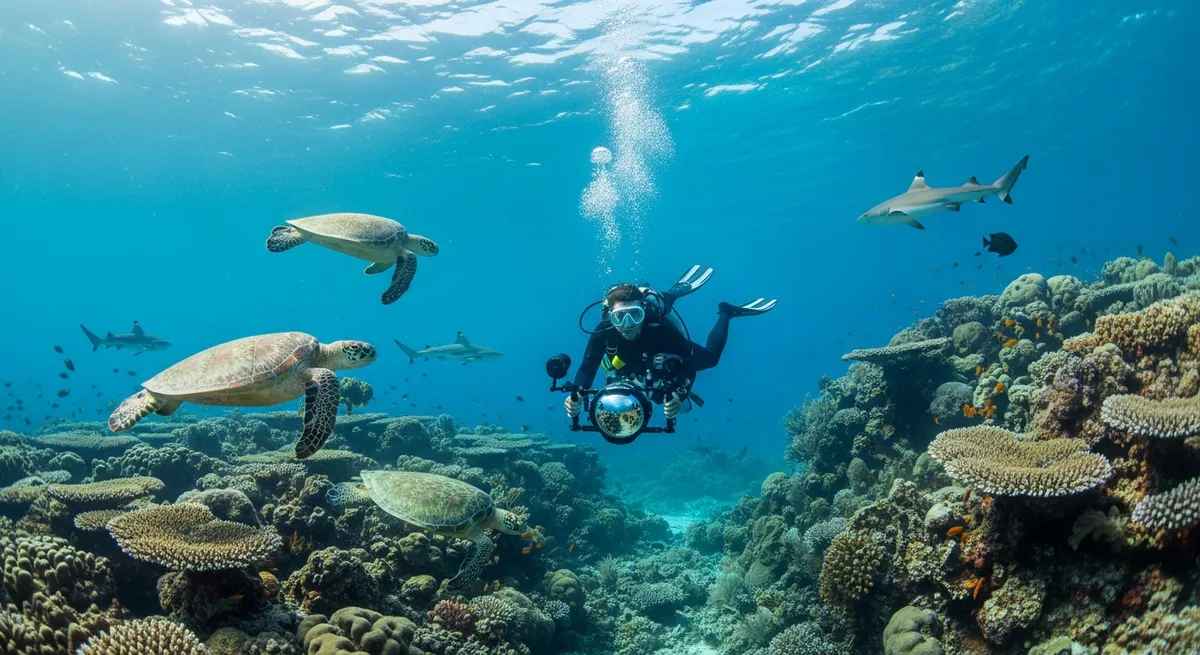
Apo Reef is undeniably a standout, and not just because it's the largest coral reef system in the Philippines. We’ve found that it consistently delivers some of the most dramatic wall dives in Southeast Asia. Drop off into serious blue, often with visibility stretching 30 metres or more. We love the sheer scale of the place; it feels truly wild out here in the Mindoro Strait. You’re looking at dramatic walls that plunge into the deep, often adorned with big gorgonian fans and barrel sponges. The highlight for us? Definitely the shark encounters. We’ve had incredible luck with whitetip and grey reef sharks patrolling the drop-offs, sometimes even a hammerhead if you hit the right season, usually around March to May. Manta rays are also a regular sight, gliding by on the current. The drift diving here is excellent, letting you cover a lot of ground with ease. Just be mindful of those currents; they can be strong, so good buoyancy is key. If you're into macro, we’d suggest spending some time in the shallower reef sections looking for blennies and gobies, they are surprisingly abundant. We’ve also had some incredible luck spotting large schools of fusiliers, so thick they almost block out the sun - a truly immersive experience.
Bohol
Bohol delivers that classic Philippine dive vibe, but with a friendly, laid-back twist. We love Balicasag Island for its sheer walls, a proper freefall into the blue where you can often spot schooling barracuda or big trevally cruising by. Our favourite is slipping into the shallows around Panglao’s house reefs, where the macro life is always putting on a show: keep an eye out for the Slimy Cusk or the wonderfully quirky New Guinean Anglerfish tucked amongst the sponges. It’s not just about the big stuff, though whale shark encounters are a regular thrill and dolphin pods often make an appearance on boat rides. We always find the currents around Balicasag can be pretty zippy, so it pays to listen to your guide and perhaps consider a reef hook if you want to really savour the moment. Visibility is generally excellent, but we’d suggest diving early to avoid the crowds, especially at the more popular Balicasag sites. It’s a great place to refine your buoyancy over vibrant reef slopes or explore a muck site for critters like the Mangrove Cardinalfish.
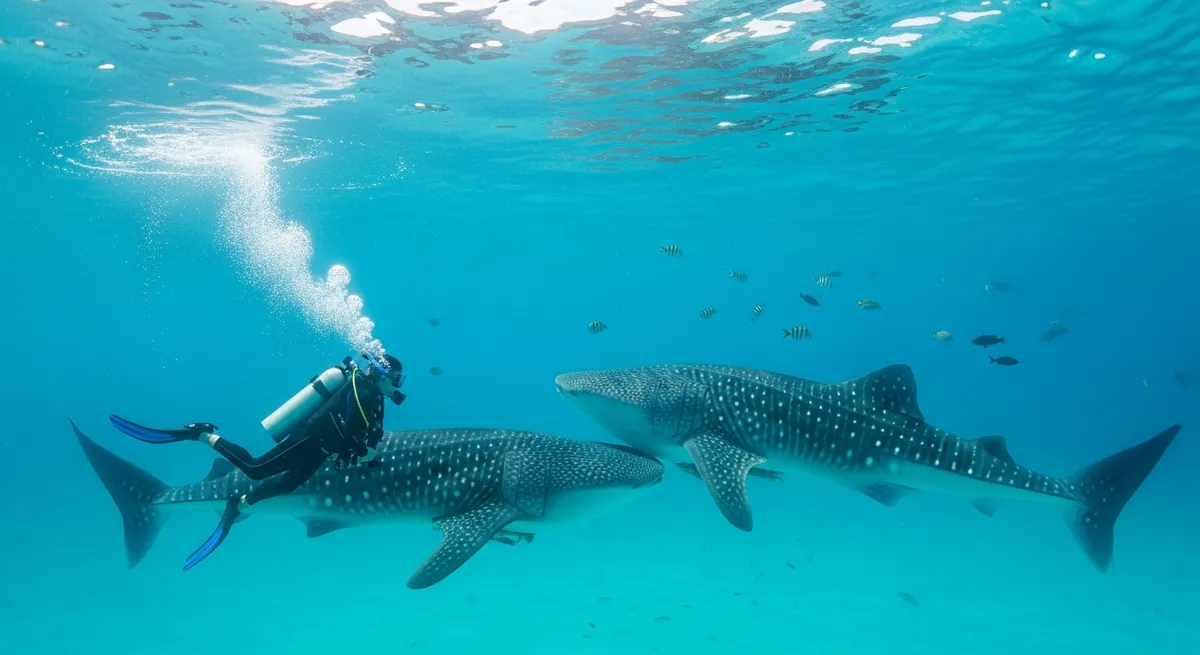
Donsol & Sorsogon
Okay, Donsol. Most people hear the name and think ‘whale sharks’, and they’re not wrong. Swimming with those gentle giants at the surface is a pretty special experience, and it’s done respectfully here. But what we love, what truly sets Sorsogon diving apart, is a bit further out, at Ticao Pass. This isn’t gentle drift diving. Ticao Pass is where the ocean gets down to business, and that usually means currents that’ll keep you alert. We’ve found the best approach is to drop in, hold on, and let the ocean bring the show to you. Manta rays are the big draw here, and we’ve seen them swoop in over the cleaning stations, sometimes in numbers, their massive forms gliding effortlessly through the blue. It’s a truly exhilarating place to dive, not for the faint of heart, but incredibly rewarding. Beyond the mantas, the reefs here are robust, taking the brunt of the currents and thriving on it. We’ve spotted schools of yellowstriped cardinalfish hanging close to the coral, and the occasional black-back butterflyfish flitting by. Visibility can be a bit variable, especially after a good rain, but when it’s on, it’s worth every surge and flutter. We’d suggest going early in the morning for the best chance with the mantas, before the boat traffic picks up.
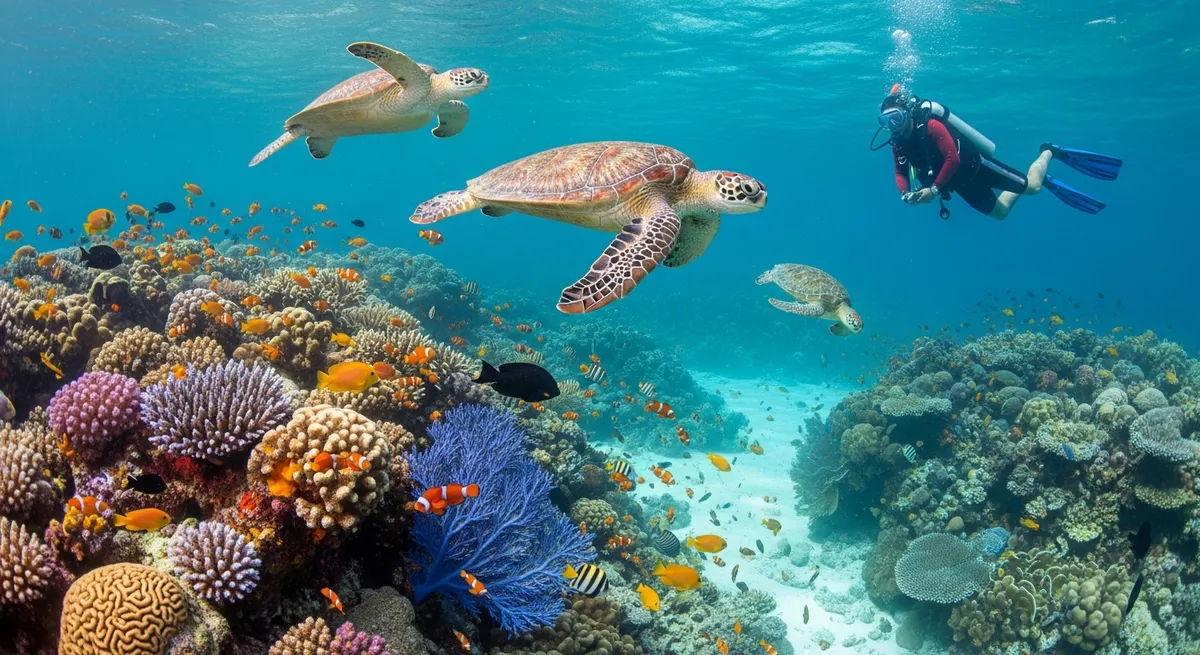
Dumaguete
Dumaguete, for us, isn’t just a jumping-off point for Apo Island, though that’s certainly a draw. It’s the black sand slopes of Dauin, just a short boat ride south, that truly grab our attention. You drop onto volcanic sand, dark and unassuming, then start scanning. Within minutes, you’re seeing frogfish of every colour, often swaying gently with the current. We’ve spent whole dives tracking a mimic octopus as it morphs from lionfish to sea snake, right there in front of us. The visibility can range quite a bit, but that’s part of the muck diving charm - you’re so focused on the small stuff that a bit of haze doesn’t really matter. We’ve found some incredible blue-ringed octopuses here, tiny and unassuming until their rings light up with that unmistakable warning. Look for the Bearded Flathead Goby, a quirky little character, or the vibrant Ryukyu Fairy Wrasse darting around. It’s a photographer’s dream, and we’d suggest going slow, really taking your time over a small patch of sand. Don't be afraid to ask your guide to point out the truly bizarre, like the Crazy Fish, or the tiny Dwarf Atomgoby.
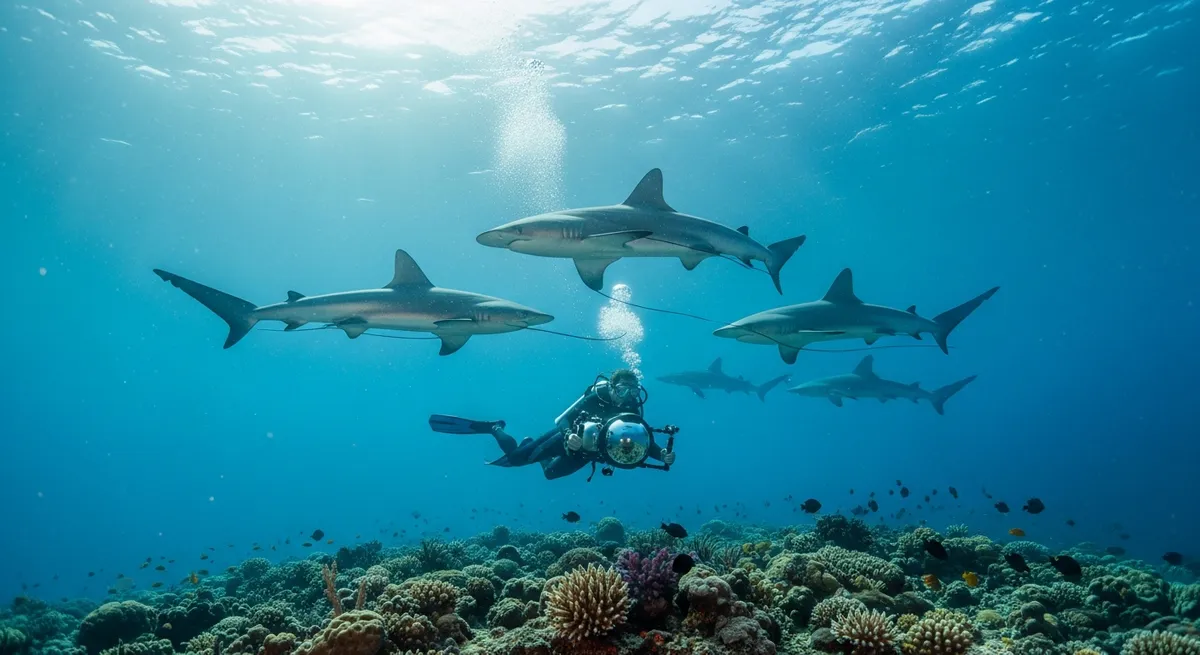
Malapascua
Malapascua. Just the name makes us think of those early morning alarms and the promise of something truly special. For us, the draw is always Monad Shoal. There’s nowhere else on Earth where you can consistently see thresher sharks. We’re talking almost daily sightings, usually at dawn, as they come in for a clean-up. The water can be cool at that hour, and you often feel a gentle push from the current, but then a thresher glides into view, its impossibly long tail trailing behind, and you completely forget the chill. Beyond the threshers, the diving here holds plenty of other delights. We’ve spent hours at sites like Gato Island, weaving through its cave, spotting white-tip reef sharks snoozing and the occasional banded sea snake slithering by. The macro life is also excellent; we’ve found red-banded lobsters tucked into crevices and Japanese stargazers buried in the sand, their eyes peeking out. Muck diving around the shallower reefs near the island can turn up some real oddities if you have a sharp eye, like robust ghost pipefish and various nudibranchs. Visibility averages around 15-20 metres, but it can drop after heavy rains, especially if you’re not out at the more exposed sites. We’d suggest staying for at least five days to really soak it all in.
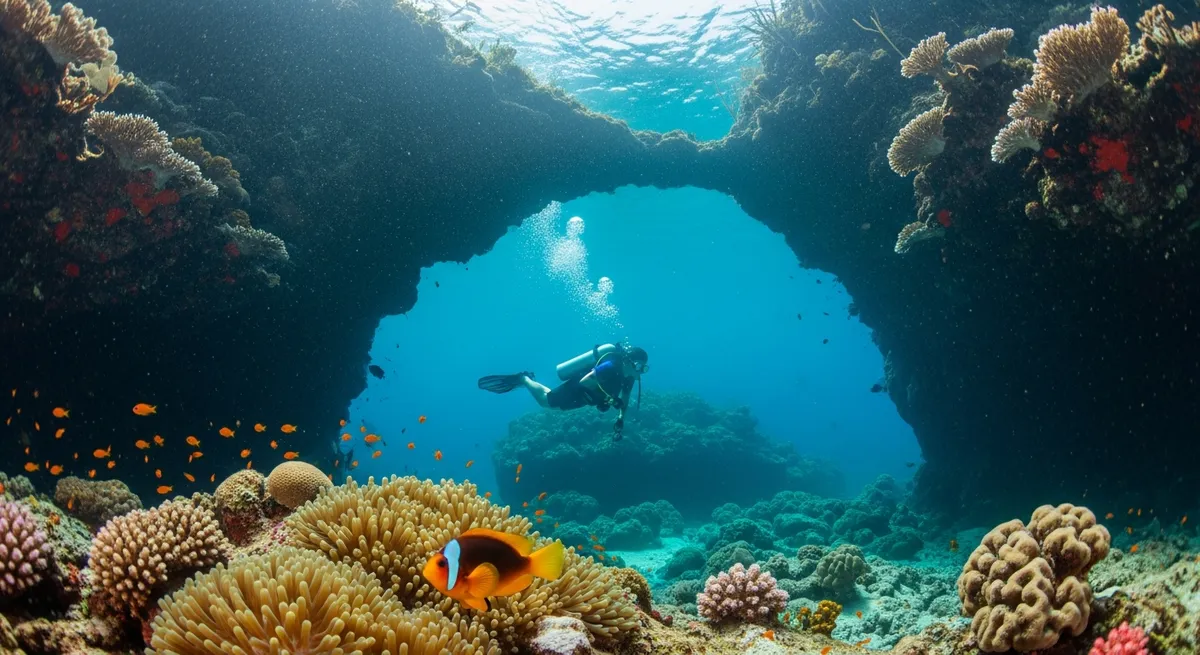
Palawan
Palawan. Now, this is a place we always come back to. Forget those glossy brochures, this corner of the Philippines delivers on its own terms. We’ve had some truly epic days here, especially around Coron Bay, where those WWII Japanese wrecks are just legendary. You descend onto these hulks, and it’s like dropping into a time capsule, with schools of fusiliers so thick they block the light in places, and the occasional turtle just chilling on a deck. The water can feel a bit silty sometimes, especially inside the wrecks, but that just adds to the atmosphere. Then you have El Nido, a totally different vibe. Above water, it’s all dramatic limestone karsts, and underwater, it’s more of the same, with colourful reefs clinging to the walls. We’ve spotted countless parrotfish here, bright as a box of crayons, and those goofy-looking black-saddled leatherjackets are always good for a laugh. Our favourite dive in El Nido often involves just drifting along a wall, letting the current do the work, watching cleaner shrimp do their thing. The visibility in El Nido is generally better than Coron, and the reef life feels more vibrant. If you can time your trip for the dry season, roughly November to May, you'll dodge the heavy rains and get the clearest water. Just be prepared for a bit of a journey to get between the two areas. It's worth it.
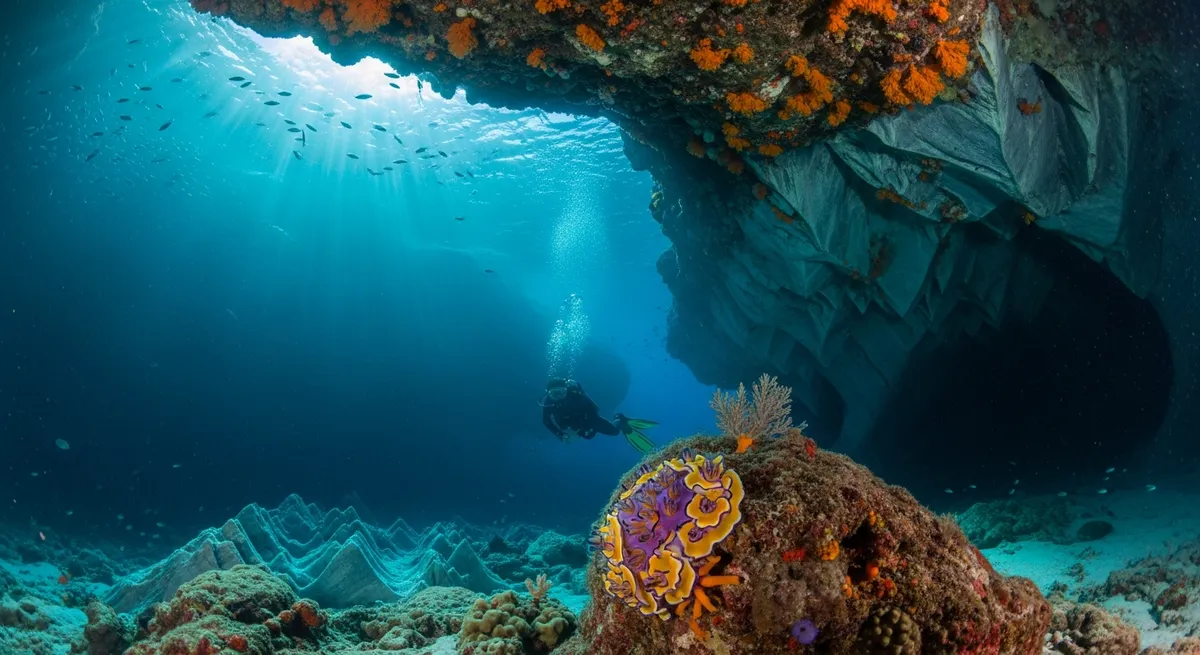
Romblon
An emerging macro diving destination between Mindoro and Panay. Blue-ringed octopus, nudibranchs, and seahorses abound in the island province's uncrowded waters.
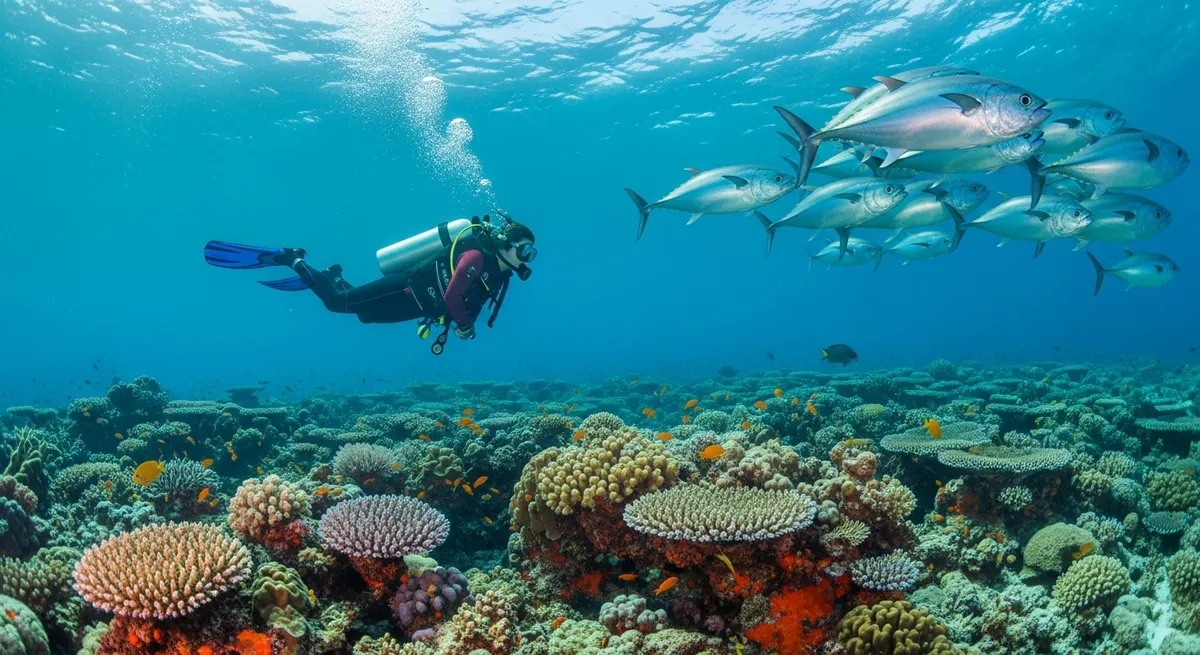
Siargao
Siargao, famous for its surf breaks, has quietly become a standout dive spot, and honestly, we’re thrilled the secret is getting out. We’ve always appreciated the chilled-out vibe topside, and that extends to the diving here too. You’re not fighting crowds; it feels more exploratory. The reefs around Siargao are something special. We love the vibrant soft corals that sway in the gentle surge, particularly at sites like Seeco Reef. Visibility often stretches out to 20 meters, sometimes more, giving you ample space to take in the schools of fusiliers and damselfish that shimmer in the sunlight. Keep an eye out for Ambon Gudgeons peeking from their sandy burrows or the delicate Opossum Pipefish clinging to a gorgonian. We’ve had some fantastic encounters with green sea turtles cruising along the reef walls, calm and unbothered by our presence. For a bit of excitement, look for reef sharks patrolling the deeper sections. Our favourite dive often involves drifting along a wall, watching the light play on the sponges and corals, a truly peaceful experience. Beginners will find plenty of sheltered spots, while intermediate divers can explore the deeper pinnacles. Come in the dry season, roughly March to October, for the calmest surface conditions.
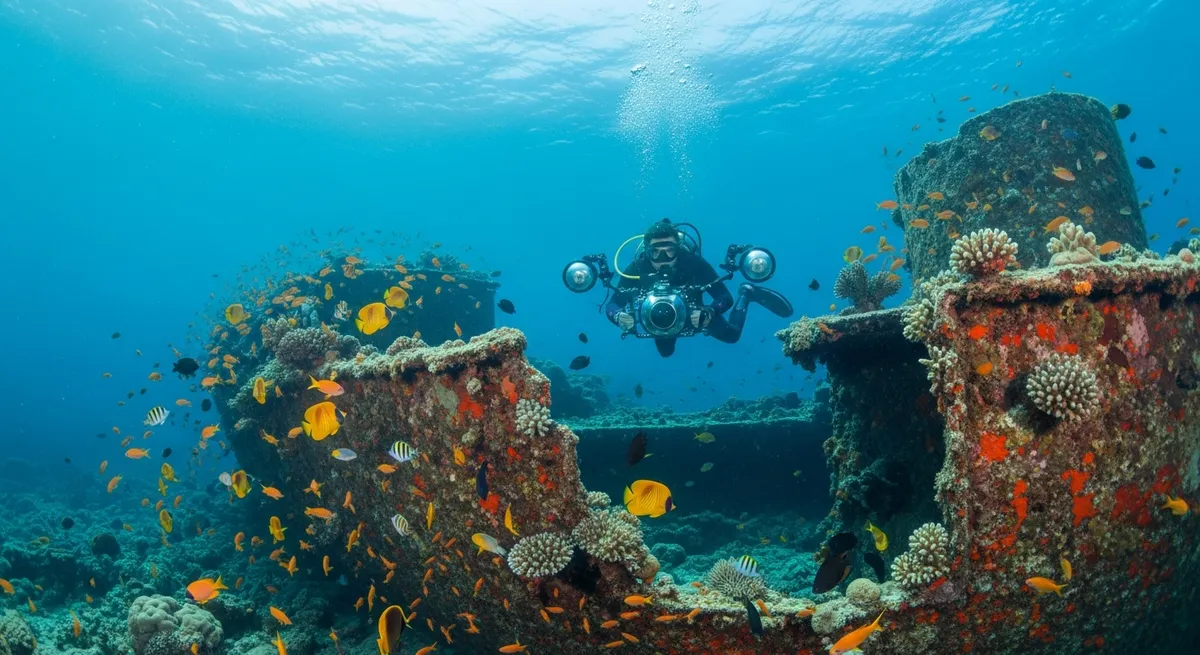
Subic Bay
Subic Bay isn't about drift diving over sprawling coral gardens. Here, it’s all about the history submerged. We love the USS New York, a proper battleship on its side, nearly 200 metres long and surprisingly intact. Dropping down onto that deck, feeling the cool current pull you slightly past massive gun turrets, it's a very different kind of dive. The viz can be a bit variable, especially after a good rain, but when it’s good, exploring the hold where light shafts pierce through the gloom is incredible. We’d suggest going early in the morning to beat the boat traffic if you can, and look out for the schools of silverfish that often shimmer around the superstructure. It’s a genuinely moody, atmospheric place to dive, far removed from the usual tropical brights. Beyond the big wrecks, there are smaller vessels and even a few planes, creating artificial reefs that attract everything from curious Hoeven's wrasse to the occasional yellow largescale flounder tucked into the sand.
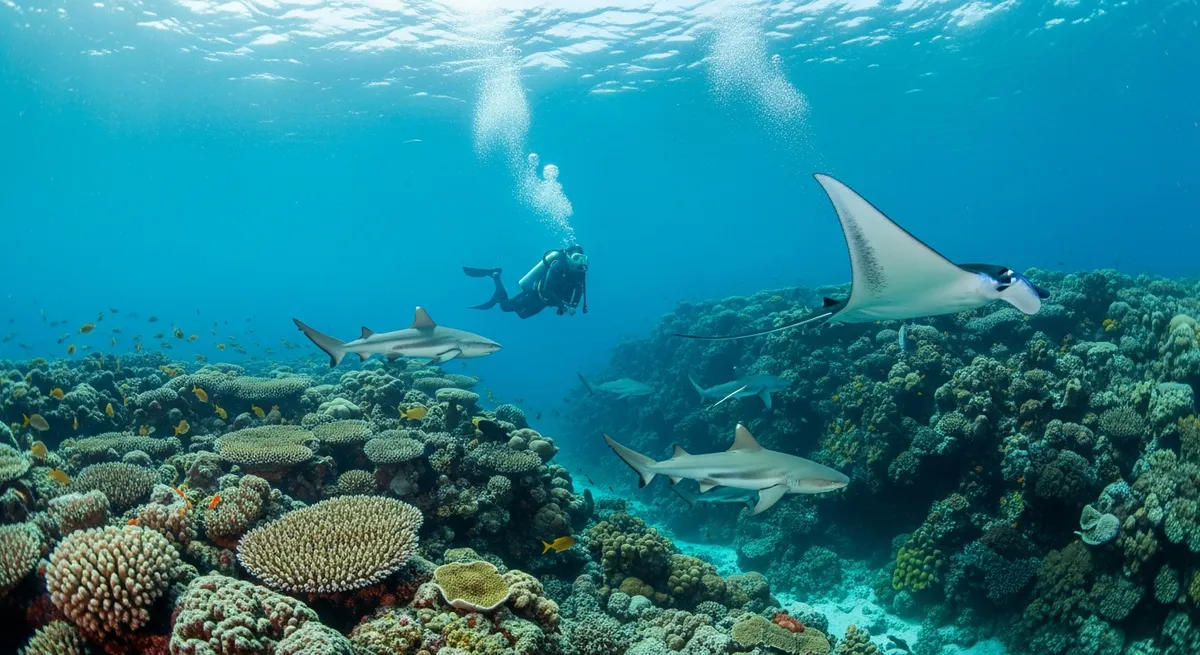
Tubbataha Reef
Tubbataha. Just the name makes us want to pack our bags. This UNESCO site is a live-aboard only affair, and for good reason. It’s remote, it’s wild, and it is, in our opinion, some of the most consistent big-fish action in Southeast Asia. What makes it special? The walls here are just epic, dropping into the deep blue with a constant parade of pelagics. We’re talking reef sharks, grey reefs, even hammerheads if you’re lucky, often cruising by in the current. You'll drift past schools of bannerfish so thick they dim the light, and we’ve seen manta rays glide over the reef tops more times than we can count. Keep an eye out for those smaller, intricate things too - we’ve spotted flaming blennies peeking from crevices and the stout red shrimp waving from their anemones. The currents can be brisk, which means fantastic drift dives, but you’ll want to be comfortable with that. Our favourite time to go is late April, just as the weather settles, though you only have a short window, March to June, to experience it. It truly feels like an untouched wilderness down there.
Visayas
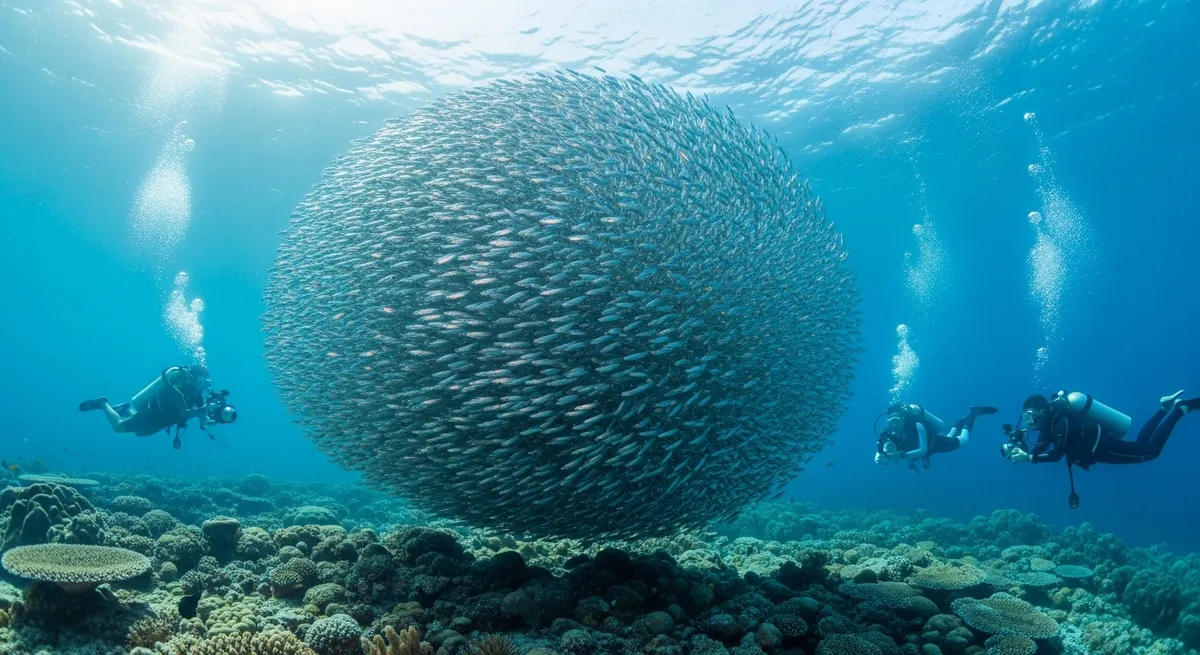
The Visayas is the beating heart of Philippine diving, no question. We’ve spent months here over the years, logging dives from dawn till dusk, and it still keeps us coming back. Moalboal’s sardine run is probably the main draw, and for good reason. Imagine millions of fusiliers, so thick they create living walls that block out the sun. It’s a sensory overload in the best possible way. We love dropping in just before sunset, when the bait ball starts to really coalesce, and the thresher sharks sometimes cruise by. A short boat ride away, Apo Island is a quiet escape where we always find ourselves surrounded by green sea turtles, just munching on seagrass, totally unbothered. The reefs here are in great shape, too, with plenty of healthy hard corals. But for something completely different, Dauin is our pick for muck diving. The volcanic sands hide an incredible cast of characters - think flamboyant cuttlefish, mimic octopuses, and frogfish camouflaged so perfectly you’d swim right past them if your guide wasn’t pointing. The visibility isn't always phenomenal, especially after a good rain, but that’s part of the fun of muck diving. Keep your eyes peeled for those bullet mackerel cruising the sandy flats, too. The currents can get zippy in some spots, particularly around Apo, so being comfortable with a bit of drift helps.
Ocean Wildlife in Philippines
797 species recorded in Philippines
Philippines Visa Requirements
Check if you need a visa to dive in Philippines
Plan & book
Ways to dive Philippines, from day trips to liveaboards.
Day trips & courses
via GetYourGuideGuided dives, courses and snorkel trips with instant booking.
Find dive trips in PhilippinesPlaces to stay
via Booking.comHotels and dive resorts near Philippines.
Search stays in PhilippinesDive insurance
Most travel insurance excludes or limits scuba. Check what you need before you go.
Dive insurance explainedPartner links: we may earn a commission if you book, at no extra cost to you. How we make money