How to Master Neutral Buoyancy

Mastering neutral buoyancy transforms your diving, making it safer, more enjoyable, and environmentally friendly. Focus on correct weighting, controlled breathing, and good trim to achieve effortless movement underwater.
How to Master Neutral Buoyancy
Neutral buoyancy is the holy grail of scuba diving. It is the art of floating effortlessly in the water column, neither sinking nor rising, with minimal finning. Achieving this level of control transforms your diving experience, making it more comfortable, safer, and ultimately more enjoyable. It is also crucial for protecting delicate marine environments, preventing accidental contact with reefs and other underwater life.
While often perceived as an advanced skill, mastering neutral buoyancy is within every diver's reach with practice and understanding. It boils down to a few key elements: correct weighting, controlled breathing, and good trim. Let's break down each of these.
The Foundation: Correct Weighting
The first step towards neutral buoyancy happens before you even enter the water. Overweighting is one of the most common mistakes divers make. While it might feel safer to be heavier and sink easily, excessive weight makes it harder to achieve and maintain neutral buoyancy throughout your dive. You will constantly be fighting to inflate your BCD, using more air and effort.
- The Weight Check: A proper weight check is essential. At the surface, with a deflated BCD and holding a normal breath, you should float at eye level. If you sink, you are overweighted. If you struggle to descend even with a fully exhaled breath, you are underweighted.
- Factors Affecting Weight: Your exposure suit (wetsuit thickness), cylinder type (aluminium vs. steel), and even your body composition will influence how much weight you need. A thicker wetsuit provides more buoyancy, requiring more weight. A full aluminium cylinder is more buoyant when empty than a steel one.
- Fine-Tuning: It is often better to start slightly underweighted and add a small amount of weight if needed, rather than starting too heavy. Remember, your buoyancy will change throughout the dive as you consume air from your cylinder.
The Breath: Your Internal Buoyancy Control
Once correctly weighted, your lungs become your primary tool for fine-tuning buoyancy. Unlike the BCD, which is for larger adjustments, your breath allows for immediate, subtle changes.
- Controlled Breathing: Shallow, rapid breathing makes buoyancy control difficult. Focus on slow, deep, deliberate breaths. Inhaling slightly will cause you to rise; exhaling will cause you to sink.
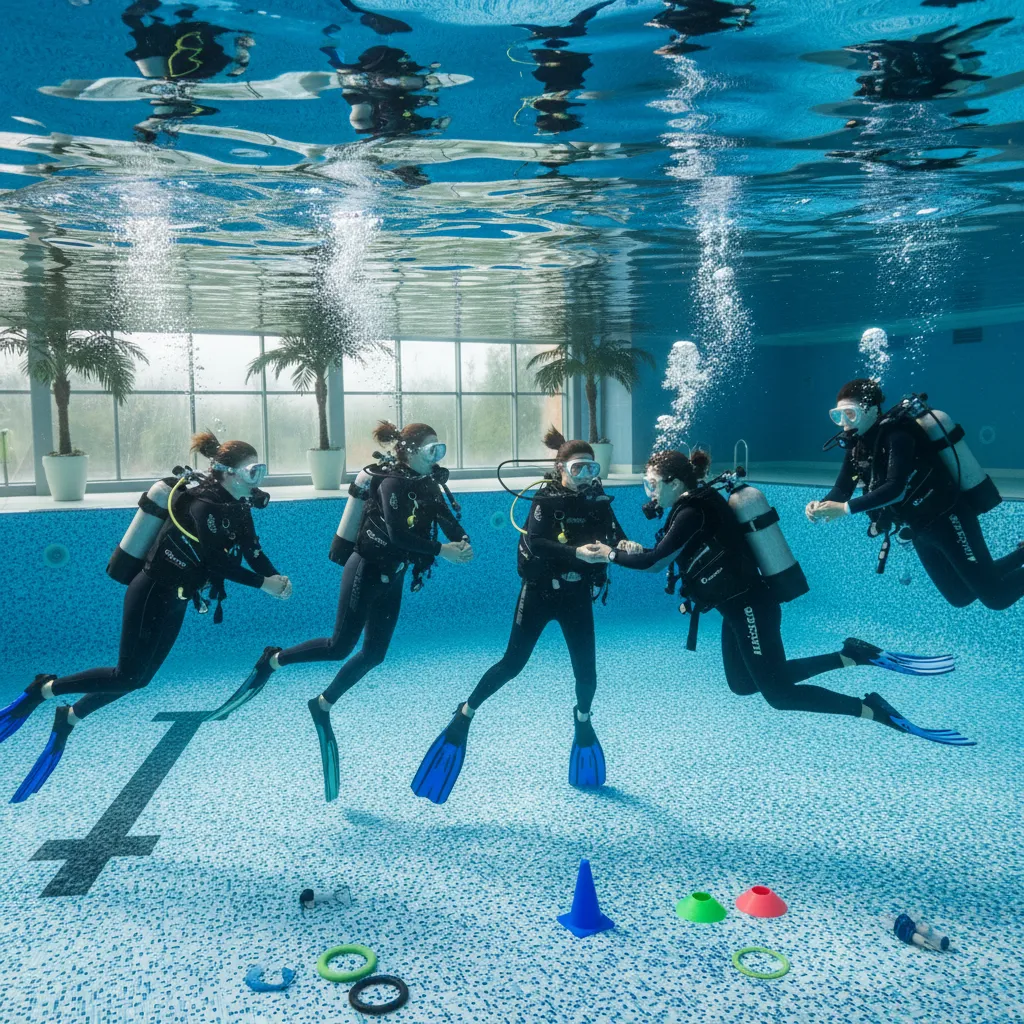
- The "Hover": Practice hovering motionless in mid-water. Start by achieving neutral buoyancy with your BCD, then deflate it slightly. Now, use your breath to maintain your position. You will notice how even a small inhale or exhale can make a difference.
- Anticipation: Learn to anticipate changes. If you are approaching a shallower depth, you will become more buoyant due to gas expansion in your BCD and wetsuit. Exhale a little more or vent a tiny amount of air from your BCD to compensate before you start to rise too quickly.
The Stance: Trim and Posture
Good trim refers to your body's orientation in the water. Ideally, you want to be horizontal, parallel to the seabed, with your fins slightly elevated. This reduces drag, conserves air, and allows for efficient propulsion and effortless hovering.
- Horizontal Position: Avoid the "seahorse" position, where your head is up and your legs are dangling. This creates drag and makes it harder to move efficiently. Aim for a flat, streamlined profile.
- Weight Placement: Where you carry your weight matters. If all your weight is on your waist belt, it can pull your lower body down. Consider integrated weight systems or even trim pockets on your BCD that allow you to distribute weight more evenly, often higher up your back.
- Gear Configuration: Ensure your gear is streamlined. Hoses should be tucked away, and gauges secured. Anything dangling will create drag and disrupt your trim. For more on gear, visit our equipment section.
Common Mistakes and How to Fix Them
- Overweighting: As discussed, this is number one. Re-evaluate your weighting until you can achieve neutral buoyancy with minimal air in your BCD.
- Over-reliance on the BCD: Your BCD is for major buoyancy adjustments (like ascending or descending), not for constant fiddling. Use your breath for fine-tuning.
- Lack of Practice: Buoyancy control improves with consistent practice. Dedicate time on each dive to focus solely on your position and breath.
- Ignoring Your Gear: A poorly fitting BCD or an ill-configured setup can make buoyancy control a constant battle. Regularly review your gear and make adjustments.
- Rapid Ascents/Descents: These make buoyancy control incredibly difficult. Slow down your descents and ascents, giving yourself time to adjust to pressure changes. Our diving guides offer more tips on safe ascents.
The Benefits of Mastery
Mastering neutral buoyancy significantly enhances your diving. You will:
- Conserve Air: Less finning and less BCD inflation means less air consumption.
- Reduce Effort: Effortless movement means less fatigue and more enjoyment.
- Protect the Environment: No accidental contact with delicate corals or marine life.
- Improve Photography: Stable positioning allows for better shot composition.
- Enhance Safety: Better control means better awareness and safer diving.
Achieving true neutral buoyancy is an ongoing journey, even for experienced divers. It is about understanding the subtle interplay of weight, air, and body position. Keep practising, stay mindful of your breath, and soon you will be gliding through the water with precision and grace, enjoying the underwater world like never before. Remember, this information is general guidance; for personal medical concerns related to diving, always consult a dive physician.
More from the Blog
How Long Does It Take to Get Scuba Certified?
Most people earn their Open Water certification in 3-5 days, but there are faster and slower paths d...
Bonaire Shore Diving: The Complete Guide
Rent a truck, drive to a yellow stone, dive. Bonaire invented shore diving as we know it - here's ho...
Great Barrier Reef Diving: Where to Go, When & How
The world's largest reef system stretches over 2,300 kilometres - but where exactly should you dive?...