How Long Does It Take to Get Scuba Certified?
Most people earn their Open Water certification in 3-5 days, but there are faster and slower paths depending on how you learn. Here's a realistic breakdown of every route.
Open Water Diver: 3-5 Days
The Open Water Diver course is the standard entry point, and for most people it takes 3 to 5 days to complete. The course has three components:
- Knowledge development - theory about dive physics, physiology, equipment, and planning (classroom or eLearning)
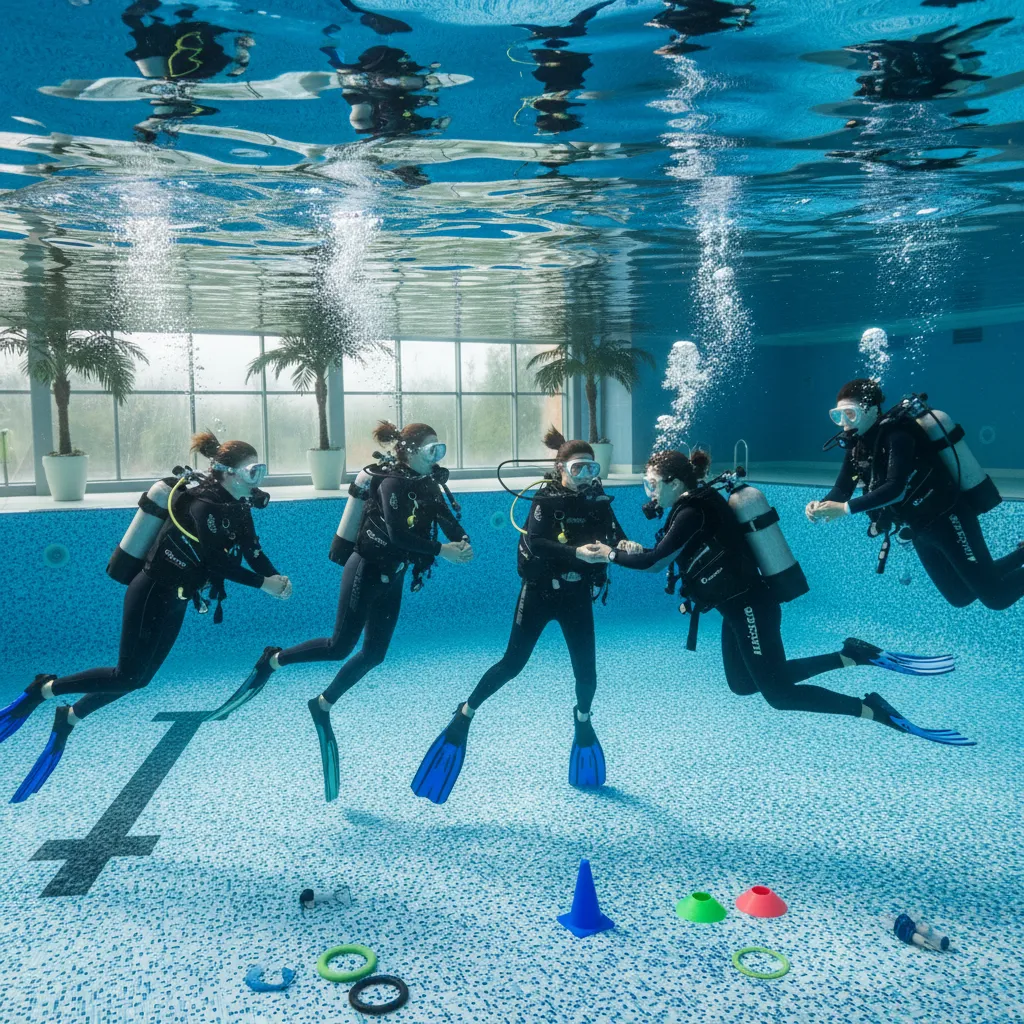
- Confined water dives - skill practice in a pool or sheltered shallow area (typically 4-5 sessions)
- Open water dives - four dives in open water to demonstrate your skills in real conditions
In a typical vacation course, you'll spend the first day on theory and pool work, then do two open water dives on each of the following two days. Some shops spread this across four or five days for a more relaxed pace.
The eLearning Shortcut
The smartest way to speed things up: do the theory at home. Both PADI and SSI offer eLearning platforms where you complete all knowledge development online at your own pace - typically 8-12 hours of self-study spread over a few weeks.
When you arrive at your dive shop, you skip straight to the practical skills. This means you can finish the pool sessions and four open water dives in just 2 to 3 days. If you're learning on holiday, this approach maximises your actual diving time.
Accelerated Courses: Possible but Not Ideal
Some dive centres advertise 2-day Open Water courses. While technically possible (especially if you've done eLearning), cramming practical skills into two days leaves almost no margin for things like poor weather, slow skill development, or simply needing more practice. A rushed certification often means less confident divers.
Our recommendation: take the time you need. This is life-support equipment, and comfort in the water pays dividends on every future dive.
Beyond Open Water: How Long for Other Certifications?
| Certification | Typical Duration | Prerequisites |
|---|---|---|
| Advanced Open Water | 2 days (5 adventure dives) | Open Water Diver |
| Rescue Diver | 3-4 days | Advanced OW + First Aid |
| Divemaster | 2 weeks to 6 months | Rescue Diver + 40 logged dives |
| Instructor | 2-4 weeks (IDC + IE) | Divemaster + 100 logged dives |
Advanced Open Water: 2 Days
The AOW course involves five "adventure dives" - typically deep diving, navigation, and three electives like night diving, wreck diving, or underwater photography. Most shops run this over two days with no classroom time beyond briefings.
Rescue Diver: 3-4 Days
This is where things get serious. Rescue Diver training covers self-rescue, recognising and managing stress in other divers, emergency management, and missing diver procedures. It's often described as the most challenging but rewarding course in recreational diving.
Divemaster: 2 Weeks to 6 Months
Divemaster is the first professional level, and the timeline varies hugely. Fast-track internships can run as short as two weeks, while working Divemaster internships (where you assist at a dive centre in exchange for training) often span several months. You'll need at least 40 logged dives before starting and 60 before certification.
Self-Paced vs Holiday Courses
Learning at home lets you absorb theory without vacation pressure, but there's real value in the immersive holiday format too - you're diving every day, building muscle memory and water confidence fast. Many of the world's best budget dive destinations like Koh Tao, Utila, and the Gili Islands have refined their course delivery over decades.
For a full breakdown of costs, check our complete guide to getting scuba certified.
Quick Summary
- Open Water: 3-5 days (or 2-3 with eLearning done beforehand)
- Advanced Open Water: 2 days
- Rescue Diver: 3-4 days
- Divemaster: 2 weeks to 6 months depending on format
- eLearning before your trip is the best way to save time without cutting corners
More from the Blog
Bonaire Shore Diving: The Complete Guide
Rent a truck, drive to a yellow stone, dive. Bonaire invented shore diving as we know it - here's ho...
Great Barrier Reef Diving: Where to Go, When & How
The world's largest reef system stretches over 2,300 kilometres - but where exactly should you dive?...
Best Underwater Cameras for Scuba Divers
From rugged compacts to professional mirrorless systems, here's the definitive guide to choosing an ...