Nitrox vs Air: Do You Need Enriched Air?
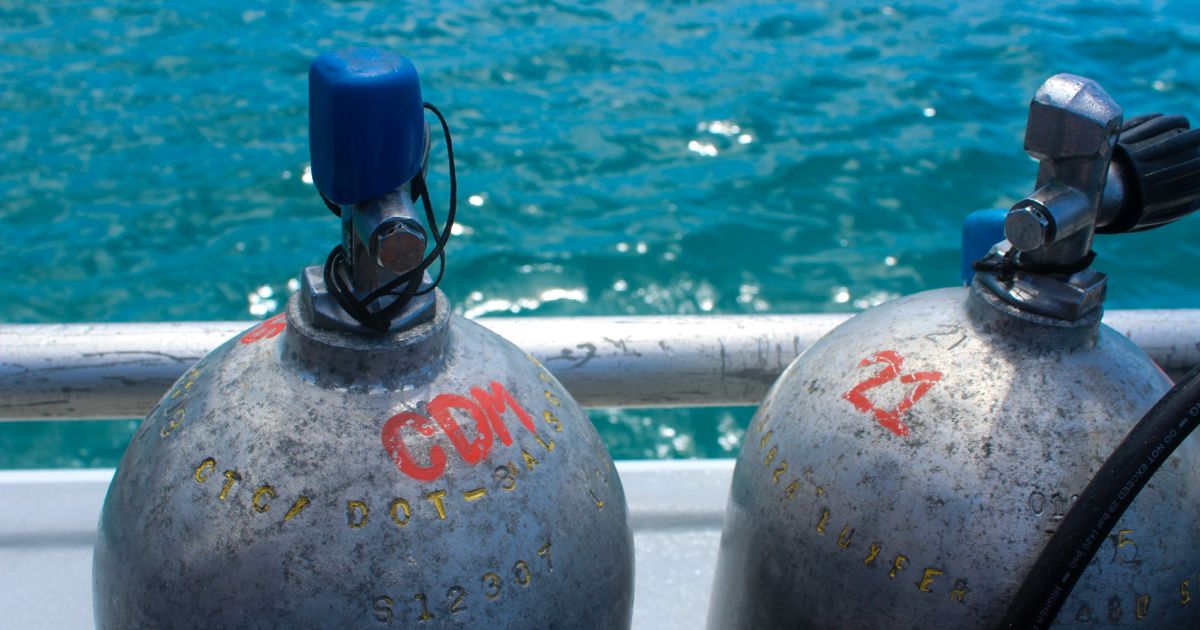
Photo by Manuel Enrique Sankitts 🌹 on Pexels
Nitrox, or enriched air, offers divers extended no-decompression limits and reduced nitrogen loading compared to standard air, making it beneficial for repetitive dives and shallower explorations. However, it requires specific training, gas analysis, and adherence to depth limits due to oxygen toxicity risks.
Nitrox vs Air: Do You Need Enriched Air?
As divers, we’re always looking for ways to enhance our underwater experiences and, crucially, improve our safety. One of the most common topics of discussion in this regard is nitrox, also known as enriched air nitrox (EANx). But what exactly is nitrox, how does it differ from regular air, and is it something you should consider for your diving?
Let's dive into the practicalities of nitrox and help you decide if enriched air is the right choice for your dive plan.
What is Nitrox?
At its core, nitrox is simply air with a higher percentage of oxygen and, consequently, a lower percentage of nitrogen. Standard air, the kind we breathe on land and typically dive with, is roughly 21% oxygen and 79% nitrogen. Nitrox, on the other hand, comes in various blends, but the most common for recreational diving are EANx32 (32% oxygen, 68% nitrogen) and EANx36 (36% oxygen, 64% nitrogen).
The key takeaway here is the reduced nitrogen content. It’s the nitrogen in our breathing gas that dictates many of the physiological effects of diving, particularly when it comes to decompression sickness (DCS).
The Benefits of Diving with Nitrox
So, why would you choose to breathe a different gas mix? The benefits of nitrox primarily revolve around managing nitrogen absorption:
- Extended No-Decompression Limits (NDLs): This is arguably the biggest draw for recreational divers. Because there's less nitrogen in nitrox, your body absorbs it more slowly. This means you can stay at a given depth for longer without needing to perform mandatory decompression stops. For multi-day diving trips or repetitive dives, this can significantly increase your bottom time and reduce surface intervals.
- Reduced Nitrogen Loading: Even if you don't push your NDLs, diving with nitrox means you're absorbing less nitrogen overall. This can be particularly appealing for divers who do multiple dives a day or are on a liveaboard trip, potentially leading to less fatigue and a greater safety margin against DCS.
- Shorter Surface Intervals: With less nitrogen to off-gas, your body can recover more quickly between dives, allowing for shorter surface intervals if you plan your dives accordingly.
While some divers report feeling less fatigued after nitrox dives, this is often anecdotal and not universally experienced or scientifically proven. The primary, measurable benefits are related to nitrogen absorption and decompression.
The Limits and Considerations of Nitrox
Nitrox isn't a magic bullet, and it comes with its own set of considerations and limitations:
- Oxygen Toxicity: The higher percentage of oxygen in nitrox means there's a greater risk of oxygen toxicity, particularly central nervous system (CNS) oxygen toxicity. Each nitrox blend has a maximum operating depth (MOD) beyond which the partial pressure of oxygen becomes unsafe. Exceeding the MOD can lead to convulsions, which are extremely dangerous underwater. This is why proper dive planning and adherence to MODs are crucial.
- Depth Limitations: Due to the risk of oxygen toxicity, nitrox is generally limited to shallower depths compared to air. For example, EANx32 typically has a MOD around 30-33 metres, while EANx36 is even shallower. This makes it less suitable for very deep dives, where technical gases would be required.
- Gas Analysis: Before every nitrox dive, you must analyse the gas in your cylinder to confirm the oxygen percentage. You also need to mark your cylinder clearly with the blend, MOD, and your initials. This is a non-negotiable safety procedure.
- Cost: Nitrox fills can sometimes be slightly more expensive than air fills, although this varies widely by location and dive centre.
- Specialised Training: To dive with nitrox, you need to complete a dedicated nitrox certification course. This course teaches you about the physiology of oxygen and nitrogen, calculating MODs, gas analysis procedures, and proper dive planning. You can find out more about this on our diving guides page.
Who is Nitrox For?
Nitrox is a fantastic tool that can enhance the safety and enjoyment for a wide range of recreational divers:
- Repetitive Divers: If you're on a multi-day dive trip, a liveaboard, or simply doing multiple dives in a day, nitrox can significantly extend your bottom time and help manage nitrogen loading.
- Photographers and Videographers: These divers often spend extended periods at shallower depths, making nitrox ideal for maximising their time to capture marine life.
- Newer Divers: While not a necessity for beginners, gaining a nitrox certification early on can provide an extra layer of safety and comfort, allowing for more conservative dive profiles.
- Divers Exploring Reefs and Wrecks (within depth limits): Many popular reef and wreck sites fall within the typical nitrox depth limits, allowing for longer exploration. For more on specific marine life, check out our wildlife section.
If your diving often involves single, deep dives beyond 30-35 metres, or if you rarely do repetitive dives, the benefits of nitrox might be less pronounced for your specific diving habits. However, for the majority of recreational diving, particularly in popular holiday destinations, nitrox offers clear advantages.
Do You Need Enriched Air?
The decision to dive with nitrox ultimately comes down to your personal diving goals and preferences. It's not essential for every dive, but it certainly offers tangible benefits for many scenarios. If you're looking to extend your no-decompression limits, reduce your nitrogen loading on repetitive dives, and are comfortable with the additional training and safety procedures, then a nitrox certification is definitely worth considering.
Remember, diving with nitrox requires specific training to understand its properties and safe usage. Always consult a certified instructor and your dive centre for advice tailored to your experience and planned dives. For general information on diving equipment, visit our equipment section.
This information is for general educational purposes and not medical advice. Consult a dive physician for personal medical concerns related to diving.
More from the Blog
How Long Does It Take to Get Scuba Certified?
Most people earn their Open Water certification in 3-5 days, but there are faster and slower paths d...
Bonaire Shore Diving: The Complete Guide
Rent a truck, drive to a yellow stone, dive. Bonaire invented shore diving as we know it - here's ho...
Great Barrier Reef Diving: Where to Go, When & How
The world's largest reef system stretches over 2,300 kilometres - but where exactly should you dive?...