PADI vs SSI: Which Certification Is Right for You?

Photo by Mitchel Wijt on Unsplash
Choosing between PADI and SSI for your scuba certification depends on learning style, cost, and instructor fit, as both are widely recognised and provide excellent training for safe diving.
PADI vs SSI: Which Certification Is Right for You?
Embarking on your scuba diving journey is an exciting prospect, opening up a whole new world to explore. But before you can take the plunge, you'll need to get certified. Two names dominate the professional dive training landscape: PADI (Professional Association of Diving Instructors) and SSI (Scuba Schools International). For many aspiring divers, the first question is often, "Which one should I choose?"
The good news is that both PADI and SSI are highly respected and widely recognised organisations, producing competent and safe divers across the globe. You'll be able to dive in virtually any destination with either certification. However, there are some differences in their approach, structure, and materials that might make one a better fit for your personal learning style and preferences.
Understanding the Core Differences
While the end goal – getting you certified to dive safely – is the same, PADI and SSI have distinct organisational philosophies that trickle down into their training methodologies.
- PADI: The Industry Giant
PADI is the larger of the two, with a massive global presence and a highly standardised curriculum. Their approach is often described as more structured and prescriptive, with clear steps and performance requirements for each skill. This standardisation ensures a consistent training experience regardless of where you learn to dive. - SSI: Flexibility and Personalisation
SSI, while still a large international organisation, often emphasises a bit more flexibility for instructors. While core standards are maintained, instructors have some leeway to tailor the pace and order of training to individual student needs. SSI also places a strong emphasis on repetition and comfort, allowing students to practice skills until they feel truly proficient without strict time limits.
Course Structure and Materials
Both organisations offer a similar progression of courses, starting with the Open Water Diver certification, moving through Advanced Open Water, Rescue Diver, and various specialities, right up to professional levels like Divemaster and Instructor.
- PADI Materials
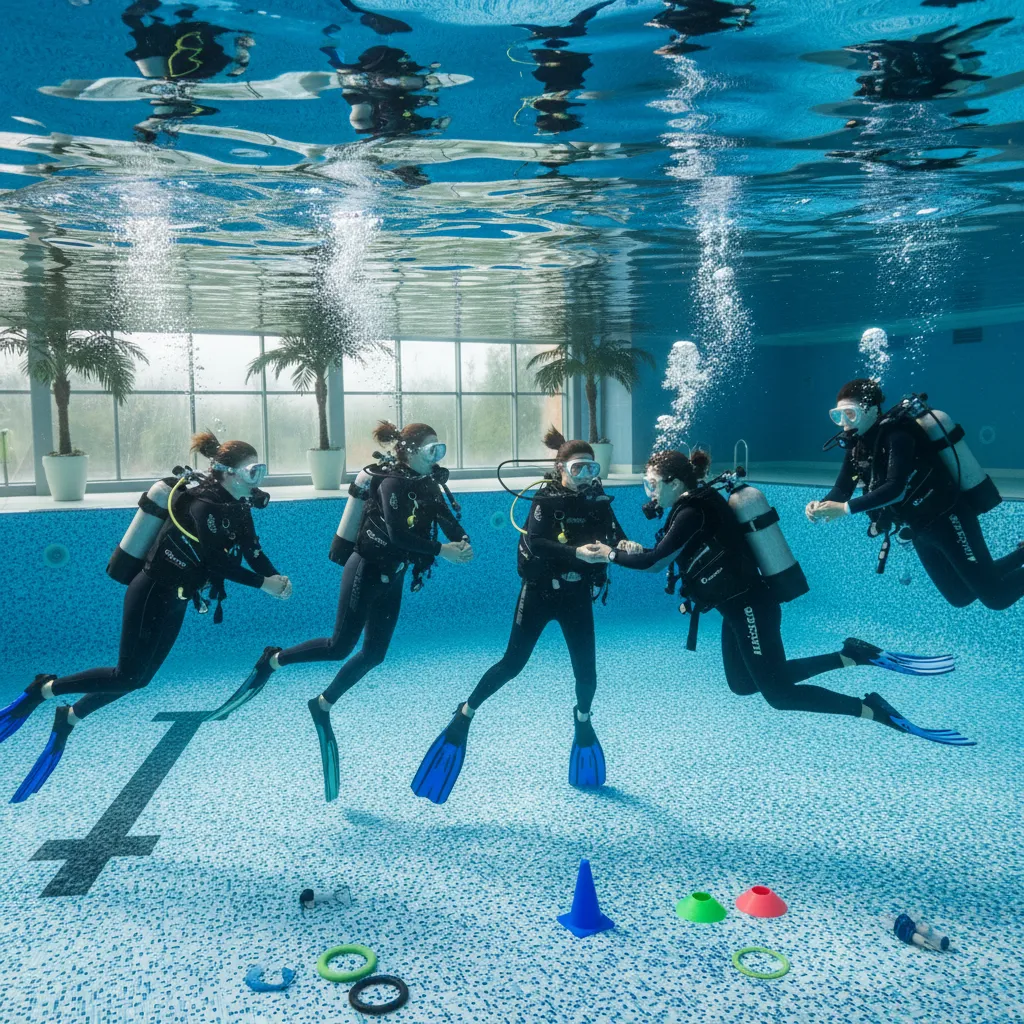
PADI typically uses a more traditional textbook and DVD approach, though digital materials are increasingly prevalent. Their curriculum is highly detailed, with specific knowledge reviews and quizzes designed to reinforce learning. Many PADI courses include a mandatory "Confined Water" (pool or shallow, calm water) component before moving to open water, ensuring foundational skills are solid. - SSI Materials
SSI has embraced digital learning more extensively, often providing all course materials through their app. This allows for convenient access on tablets or smartphones. SSI's "Comfort through Repetition" philosophy means that while there are performance requirements, instructors can spend more time on specific skills if a student needs it, without the pressure of strict minimum session times. SSI also has a unique "Total Diving System" approach, encouraging divers to own their basic equipment before starting the course, though this isn't always a strict requirement. For more on equipment, see our equipment guides.
Recognition and Acceptance
This is where the playing field is largely level. Both PADI and SSI certifications are recognised and accepted by dive centres and resorts all over the world. You will not face issues diving with either certification. The standards for safe diving are universal, and both organisations adhere to them rigorously.
Think of it like driving licences. Whether you learned to drive with one instructor or another, as long as you have a valid licence, you can drive. The same applies to dive certifications. Your PADI Open Water Diver certification is equivalent to an SSI Open Water Diver certification in terms of your ability to rent equipment, get air fills, and dive with a buddy to the certified depth.
Cost Considerations
The cost of certification can vary significantly, not so much between PADI and SSI themselves, but more so depending on the dive centre, the location, and what's included in the package. Some centres might include equipment rental, while others expect you to purchase some basic gear. Some locations, particularly popular tourist spots, might have higher prices due to demand.
Generally, you might find a slight difference in price, but it's rarely substantial enough to be the sole deciding factor. It's always best to get quotes from several dive centres in your chosen area and compare what's included. Remember to ask about:
- Course fees
- Materials (digital or physical)
- Equipment rental
- Pool/confined water sessions
- Open water dives
- Certification card fees
Instructor Approach and Personal Comfort
Ultimately, one of the most important factors in your learning experience will be your instructor. A good instructor, regardless of their affiliation, will be patient, knowledgeable, and create a safe and enjoyable learning environment. It’s worth researching dive centres and reading reviews, and if possible, even meeting the instructors before committing to a course. The rapport you build with your instructor can make a huge difference.
Consider what kind of learner you are. If you prefer a highly structured, step-by-step approach with clear benchmarks, PADI might appeal more. If you appreciate a bit more flexibility, repetition until mastery, and a strong digital learning component, SSI could be a better fit. For more on preparing for your first dives, check out our beginner guides.
Making Your Decision
Instead of getting hung up on the PADI vs SSI debate, focus on these key points:
- Reputable Dive Centre: Choose a well-regarded dive centre with experienced instructors and well-maintained equipment.
- Instructor Quality: A good instructor is paramount. Look for someone patient, knowledgeable, and who makes you feel comfortable.
- Learning Style: Consider if you prefer a highly structured curriculum or one with more flexibility for individual pacing.
- Cost and Inclusions: Compare what's included in the price from different centres.
Both PADI and SSI will equip you with the skills and knowledge to explore the underwater world safely. The best choice is the one that aligns with your personal learning style and provides you with a comfortable and confident start to your diving adventures. Whether you're planning to explore vibrant coral reefs or fascinating wrecks, both certifications will open up incredible opportunities. If you're interested in marine life, you might enjoy our wildlife section.
Regarding medical aspects of diving, such as decompression sickness, narcosis, or ear equalisation, this information is general; always consult a dive physician for personal medical concerns.
More from the Blog
How Long Does It Take to Get Scuba Certified?
Most people earn their Open Water certification in 3-5 days, but there are faster and slower paths d...
Bonaire Shore Diving: The Complete Guide
Rent a truck, drive to a yellow stone, dive. Bonaire invented shore diving as we know it - here's ho...
Great Barrier Reef Diving: Where to Go, When & How
The world's largest reef system stretches over 2,300 kilometres - but where exactly should you dive?...