Diving in New Caledonia
Why dive here
New Caledonia offers rich diving, with 680+ marine species recorded in its waters - including barracuda, blacktip reef sharks, blue sharks, blue-spotted stingrays and bull sharks. Water ranges 23-28°C, warmest January, February, March.
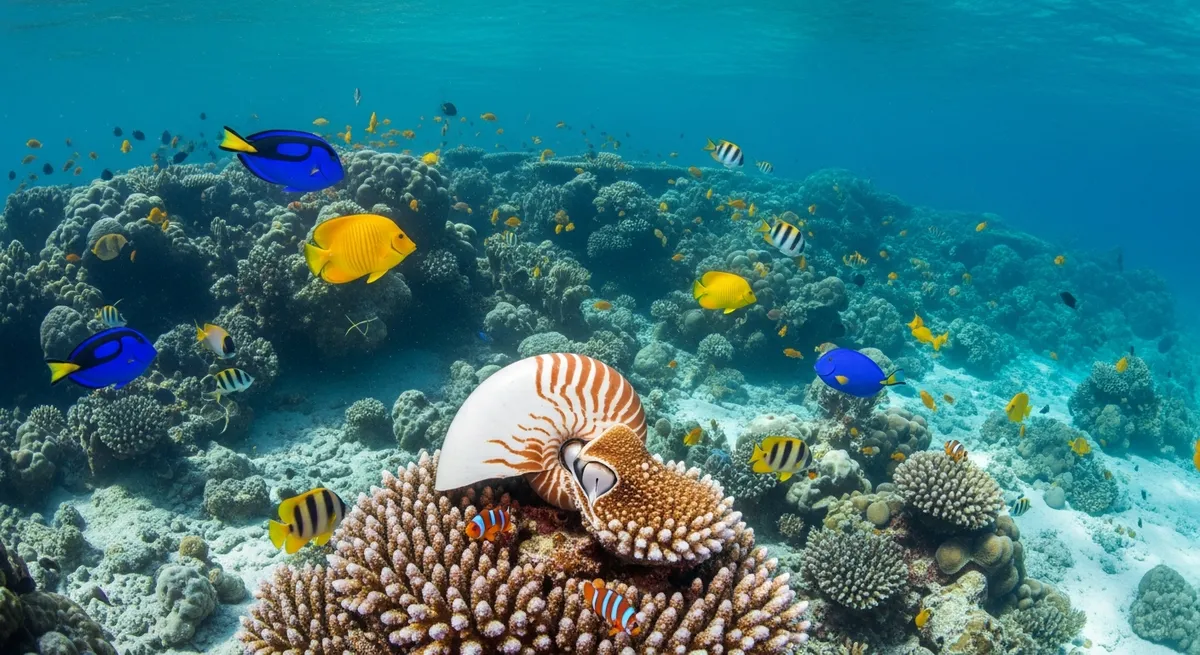
New Caledonia, that’s a different beat for Australasian diving, isn’t it? It’s not about huge pelagics or dizzying currents, not usually. What we love here is the sheer health of the Grand Lagoon, the scale of it, and the quiet chance of seeing something truly unique, like a nautilus gliding past on a deeper dive. We’d steer divers towards the Isle of Pines for those dramatic grottoes and cleaner water, or Prony Bay if you’re into the intricate nudibranch world and more sheltered dives. The best time for us is between September and December, after the winter winds die down and before the summer rains. Seeing those dugongs graze in the lagoon is a pretty special encounter, and the sheer number of endemic, smaller reef fish makes every dive a treasure hunt.
New Caledonia Dive Regions Map
New Caledonia Dive Regions
4 diving areas in New Caledonia
Grand Lagoon
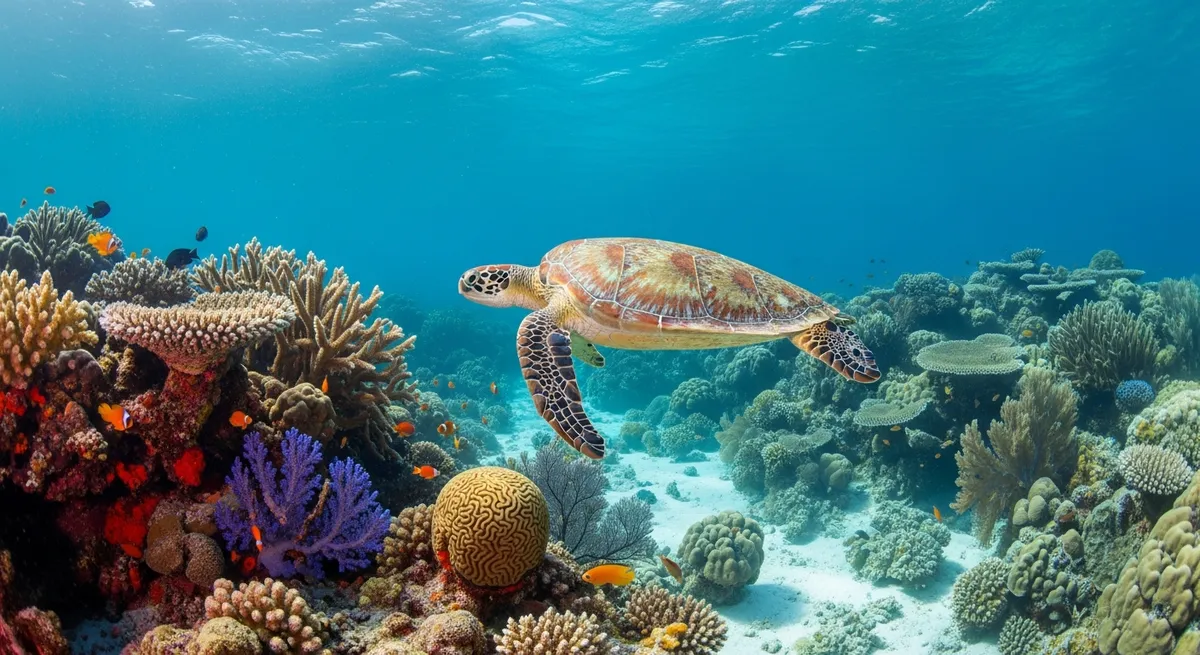
The Grand Lagoon in New Caledonia feels like diving in an aquarium, but a really, really big one. This UNESCO World Heritage site serves up a seriously impressive lineup of fish species, well over 2,000 recorded. We’ve been lucky enough to spot dugongs here a few times, a gentle surprise in the blue, and the chance of seeing a nautilus is always a draw. Diving here is generally intermediate, with reef and cave systems to explore. We particularly like looking for the smaller stuff on the reefs - the Red-striped Coralgoby always catches our eye, and we’ve spent ages watching Blackfin Squirrelfish duck into crevices. Keep an eye out for the Threadfin and the Pronghorn Spiny Lobster hiding away. While it’s not always a guarantee, the potential for a dugong encounter is real, especially in the shallower, seagrass-rich areas. Conditions are usually pretty calm inside the lagoon, making for comfortable dives. We’d suggest going early in the morning to beat any potential boat traffic and to catch the reefs at their most active.
Isle of Pines
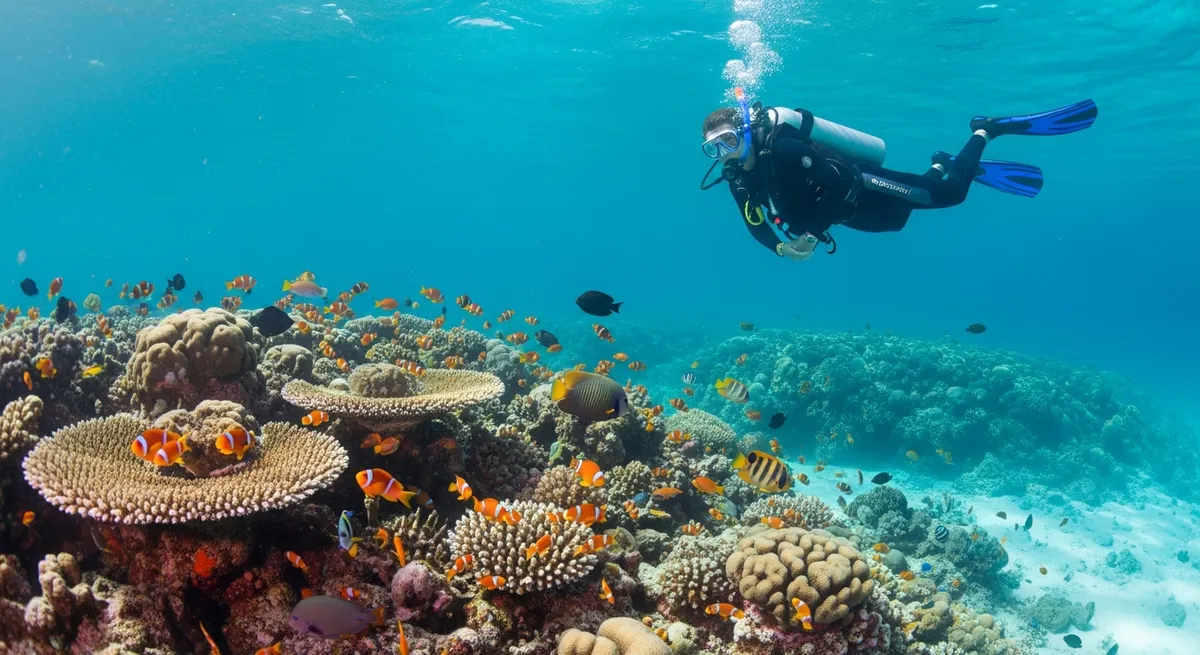
The Isle of Pines offers something truly special, a departure from the typical New Caledonian drift dives. Here, the focus shifts to intricate reef systems and incredible visibility. We love the feeling of gliding over perfectly formed bommies, each one a mini-ecosystem bursting with activity. Our favourite dives often involve the shallower lagoons, where the light plays beautifully off the sand and coral. It’s common to find turtles cruising past, seemingly unbothered by our presence. Keep an eye out for Helen’s Triplefin, a tiny fish with a personality far bigger than its size; they’re a joy to watch. We’ve had incredible luck with Oceanic Manta Rays during the cooler months, though they’re never guaranteed. The currents here are generally manageable, making for very relaxed diving, perfect for photography or simply soaking it all in. Dive in the morning if you can; the early light is just magical.
Loyalty Islands
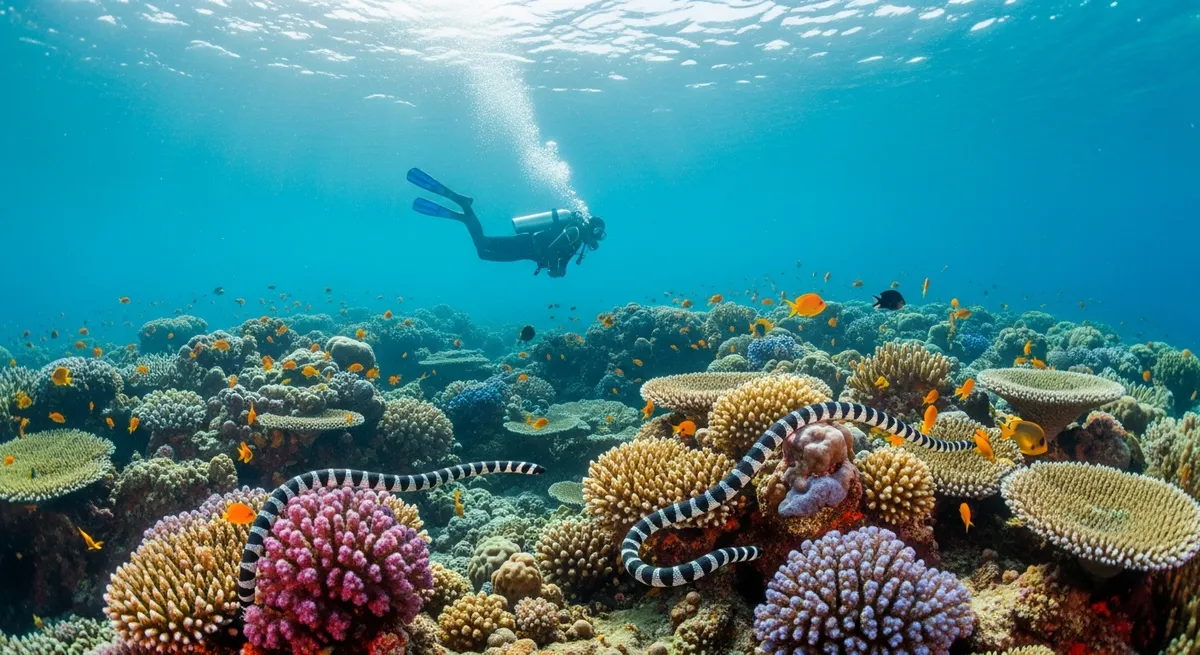
The Loyalty Islands are the real deal, a proper outer-island adventure for divers who appreciate genuine remoteness. We’ve always found the caves here particularly striking, with light shafts cutting through the gloom and revealing walls carpeted in sponges. It feels a bit like stepping into an underwater cathedral. Our pick, if you can swing it, is a liveaboard to explore the furthest reaches around Maré or Ouvéa. That’s where you’ll find the biggest schools of fusiliers, so thick they almost block out the sun, and the best chance of spotting tawny nurse sharks tucked under ledges. Seasonal highlights definitely include humpback whales, usually passing through from July to September. You might hear their songs rumbling through the water, even if you don't see them. Currents can be a factor, so we’d suggest going with a local guide who knows the tides. Visibility, though, is consistently excellent, often pushing past 30 metres. It lets you really appreciate the scale of those pinnacles and walls. Keep an eye out for the unique Yaté's Goby, a tiny flash of colour you won’t see just anywhere. This isn’t a place for casual resort diving; it’s for divers who want to explore.
Prony Bay
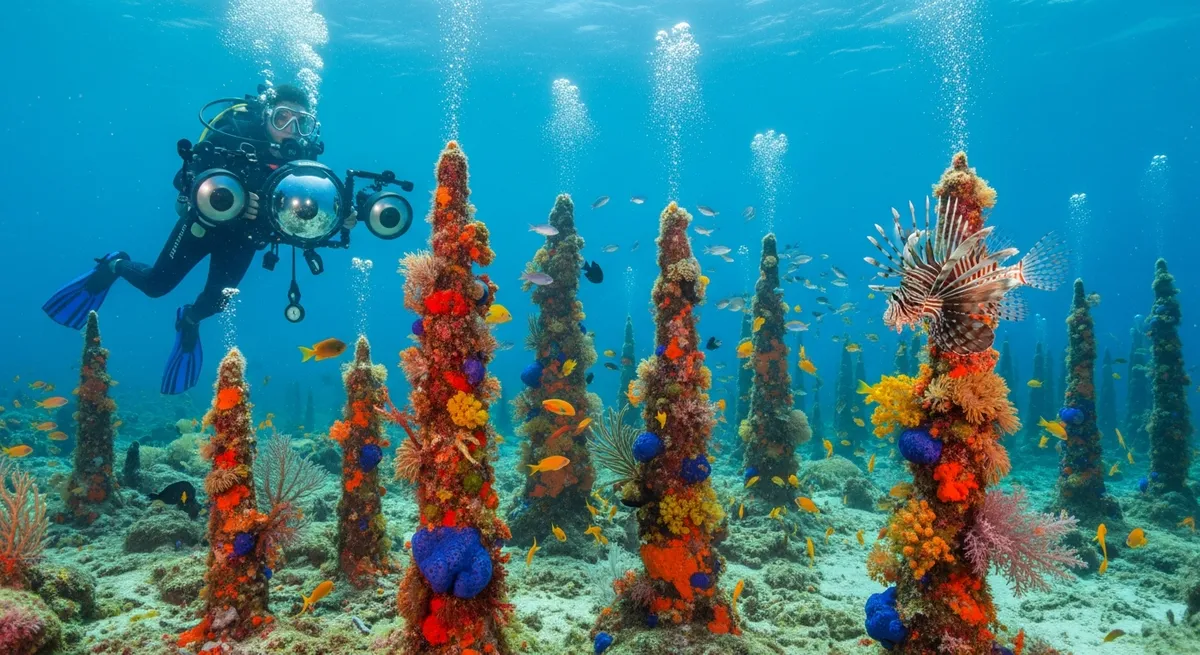
Prony Bay. We love it. It's got this truly unique vibe, a bit eerie, a bit wild, definitely not your average Pacific postcard. Our favourite? Without a doubt, the hydrothermal chimneys. Imagine diving alongside plumes of warm, mineral-rich water rising from the seabed, creating this ethereal, shimmering effect. You feel the temperature shifts as you pass them, a strange warmth against your cheek. And then there's the Needle of Prony, a massive pillar that just shoots up from the depths. Diving around it, you’re often surrounded by schools of fusiliers, sometimes so thick they practically blot out the sun. The killer alga is a local curiosity, a strange green carpet in places, and you'll spot plenty of Redfin Butterflyfish darting in and out of the crevices. Keep an eye out for the Lemon Peel and those vivid Schlegel's Parrotfish munching away. Currents can be a factor here, especially around the Needle, so good buoyancy is key. We’d suggest going in the drier months, May to November, for the best visibility, but even in the "wetter" season, the unique geology makes it worthwhile. It's not about pristine corals here; it’s about the raw, volcanic energy of the place.
Ocean Wildlife in New Caledonia
680 species recorded in New Caledonia
New Caledonia Visa Requirements
Check if you need a visa to dive in New Caledonia
Plan & book
Ways to dive New Caledonia, from day trips to liveaboards.
Day trips & courses
via GetYourGuideGuided dives, courses and snorkel trips with instant booking.
Find dive trips in New CaledoniaPlaces to stay
via Booking.comHotels and dive resorts near New Caledonia.
Search stays in New CaledoniaDive insurance
Most travel insurance excludes or limits scuba. Check what you need before you go.
Dive insurance explainedPartner links: we may earn a commission if you book, at no extra cost to you. How we make money