Australasia
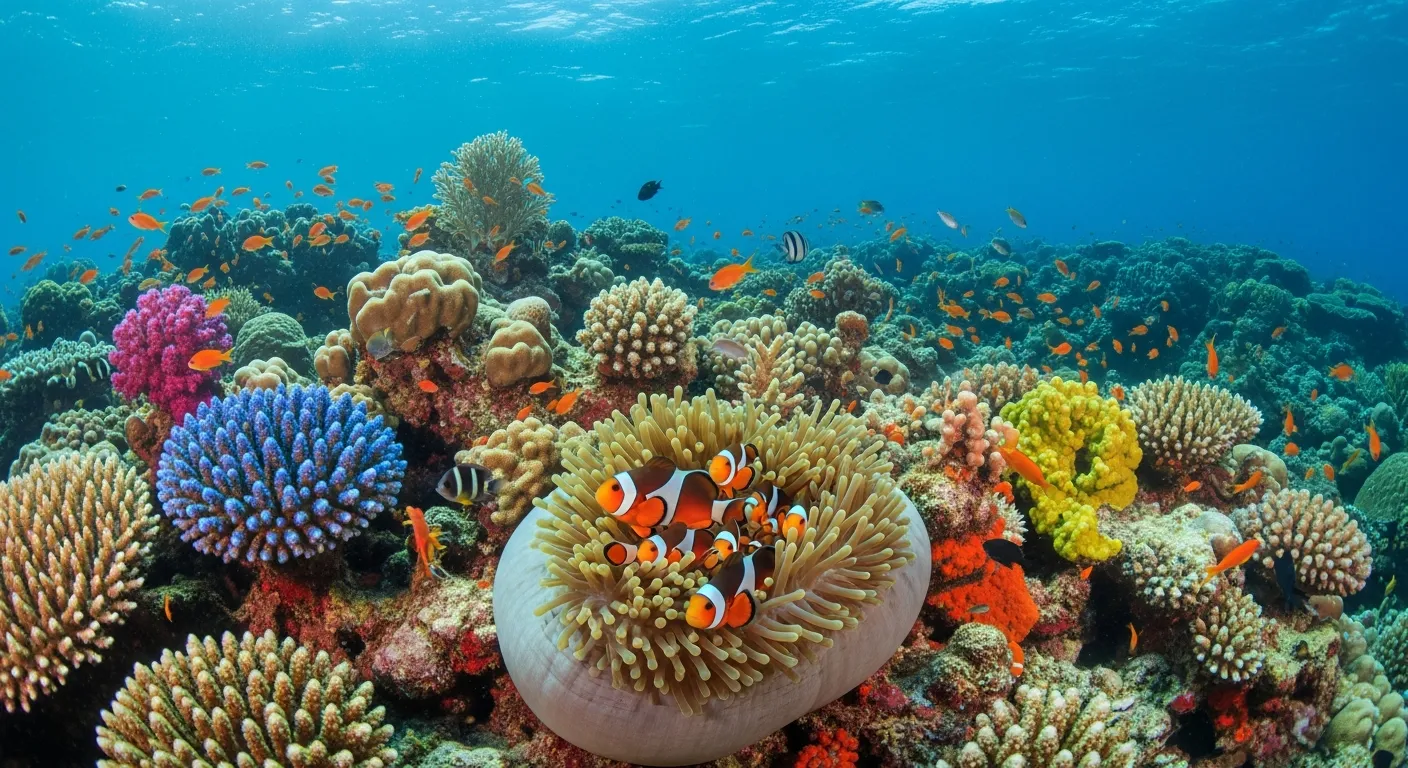
Home to the Great Barrier Reef, the world's largest coral reef system, Australasia is a diver's dream. New Zealand's Poor Knights Islands, Australia's Ningaloo Reef, and the Coral Sea offer encounters with everything from tiny nudibranchs to enormous whale sharks and manta rays.
Countries & Territories
Explore diving destinations in Australasia

Australia
Australia isn't just the Great Barrier Reef, though that sprawling wonder certainly deserves its reputation. We're talking a continent that stretches from the tropical north, where whale sharks cruise Ningaloo and the Coral Sea's walls drop into the abyss, all the way to the chilly southern waters where leafy sea dragons drift amongst kelp forests. For us, the sheer variety is what truly sets it apart; you could spend a lifetime exploring and still find new things. If you’re planning a trip, consider splitting your time. The northern reef systems, like the GBR and Coral Sea, are best in the dry season (June-October) offering consistent conditions and big pelagics. But don't overlook South Australia for its dramatic wrecks and unique temperate species, or Western Australia for its remote, pristine atolls like the Rowley Shoals - a truly wild experience for the adventurous. Just be prepared for long journeys; Australia is vast, and getting to some of the best spots takes time and effort, but we promise, it’s always worth it.
New Caledonia
New Caledonia, that’s a different beat for Australasian diving, isn’t it? It’s not about huge pelagics or dizzying currents, not usually. What we love here is the sheer health of the Grand Lagoon, the scale of it, and the quiet chance of seeing something truly unique, like a nautilus gliding past on a deeper dive. We’d steer divers towards the Isle of Pines for those dramatic grottoes and cleaner water, or Prony Bay if you’re into the intricate nudibranch world and more sheltered dives. The best time for us is between September and December, after the winter winds die down and before the summer rains. Seeing those dugongs graze in the lagoon is a pretty special encounter, and the sheer number of endemic, smaller reef fish makes every dive a treasure hunt.

New Zealand
New Zealand doesn’t exactly scream "tropical dive destination", and that's precisely its charm. We're talking temperate water, a real mix of kelp forests and surprisingly vibrant reef systems, often with visibility that will genuinely surprise you. If you’re here for the big stuff and dramatic topography, the Poor Knights Islands are a no-brainer, famous for their sheer walls, archways, and a crazy amount of schooling fish, especially snapper. For something completely different, Fiordland offers these incredible black coral forests, usually found at much deeper, darker depths, right there in shallower water thanks to the freshwater layer. We think late summer, around February and March, offers the best conditions across the board, warmer water and calmer seas.