bargibenti
Protected Area
Povilla Forest Reserve
Why dive here
With 116+ marine species recorded in the area - including dugongs, eagle rays, great white sharks, manta rays and mobula rays (devil rays) - bargibenti offers some of Loyalty Islands's richest reef diving. Water ranges 24-29°C, warmest January, February, March.
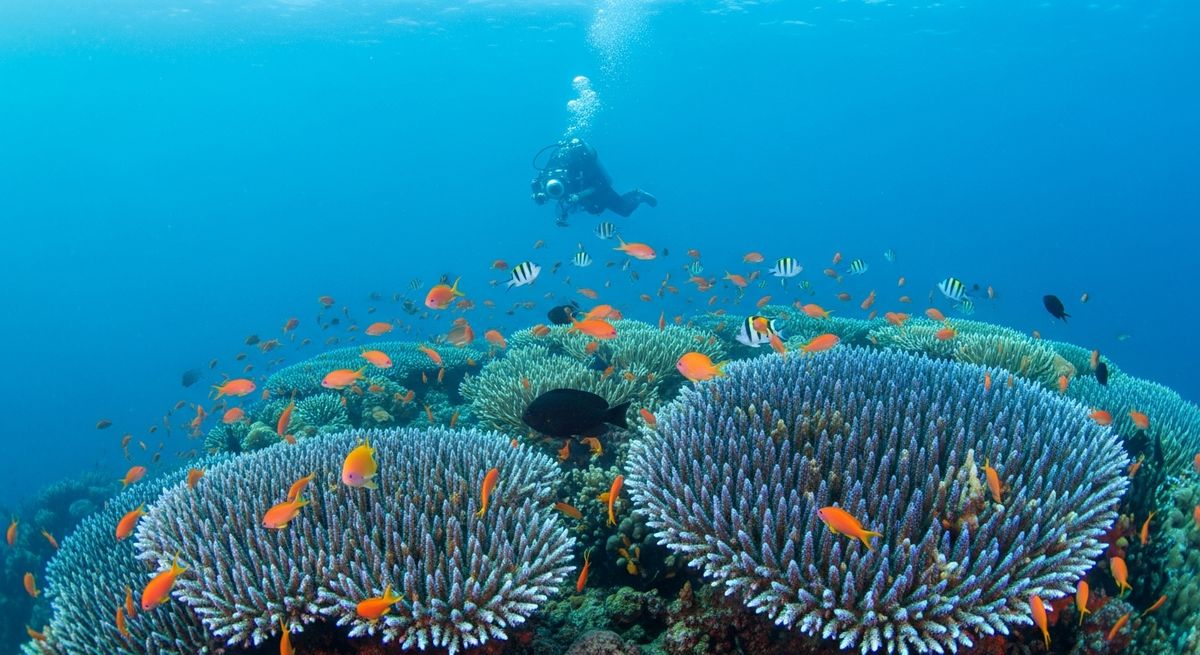
Bargibenti. Just saying the name brings back the particular chill of dropping into the Grande Passe de Poindimié. This isn't a site for lingering on the surface. We're talking two big pinnacles, right there at the mouth, acting like magnets for whatever the current decides to push in. Our pick here? Definitely a slow drift down, scanning the blue. We’ve had some cracking encounters with grey sharks here, and you’ll often spot blacktips cruising by. But the real magic, the thing we love, is when you get in tight on the reef. Those pinnacles are covered, and if you have the patience, the hunt for a Bargibenti pygmy seahorse is a true test. They’re tiny, maybe a fingernail, tucked right into gorgonian fans, blending perfectly. You’ll also find garden eels swaying in the sand patches, and we’ve seen eagle rays glide past with that slow, powerful wingbeat. Max depth here is around 26 metres, so it's a comfortable dive for anyone who’s happy in a bit of current. It's a fantastic spot for photographers who appreciate both the wide angle and the macro hunt, giving you a chance to spot the small and the large.
Typical bargibenti Dive Profile
Illustrative profile based on site depth and type. Actual dive profiles vary - always follow your dive computer and training.
Safety Notes
Always perform a 3-minute safety stop at 5m before surfacing.
Nearest Dive Centres to bargibenti
Dive shops near bargibenti
View all dive centres in Loyalty IslandsReviews for bargibenti
Conditions
Ocean conditions, forecast and tides for bargibenti
bargibenti Ocean Conditions
Monthly averages for bargibenti, sourced from Open-Meteo marine data + Copernicus Marine (EU) - nearest station: Open-Meteo marine grid (-20.94, 165.47) (8km away)
October Averages
Sea Temperature
25°C
77°F · Range: 23.4–27.1°C
Current Speed
8.06 cm/s
Direction: S (187.1°)
Chlorophyll-a
0.052 mg/m³
Very clear (oligotrophic)
Salinity
35.08 PSU
Based on 4 years of monitoring data · Data sources: Open-Meteo marine data + Copernicus Marine (EU)
Plan & book
Ways to dive Loyalty Islands, from day trips to liveaboards.
Day trips & courses
via GetYourGuideGuided dives, courses and snorkel trips with instant booking.
Find dive trips in Loyalty IslandsPlaces to stay
via Booking.comHotels and dive resorts near Loyalty Islands.
Search stays in Loyalty IslandsDive insurance
Most travel insurance excludes or limits scuba. Check what you need before you go.
Dive insurance explainedPartner links: we may earn a commission if you book, at no extra cost to you. How we make money
Where to Stay near bargibenti
Prices from Booking.com. We may earn a commission at no extra cost to you.