Diving in Cayman Islands
Why dive here
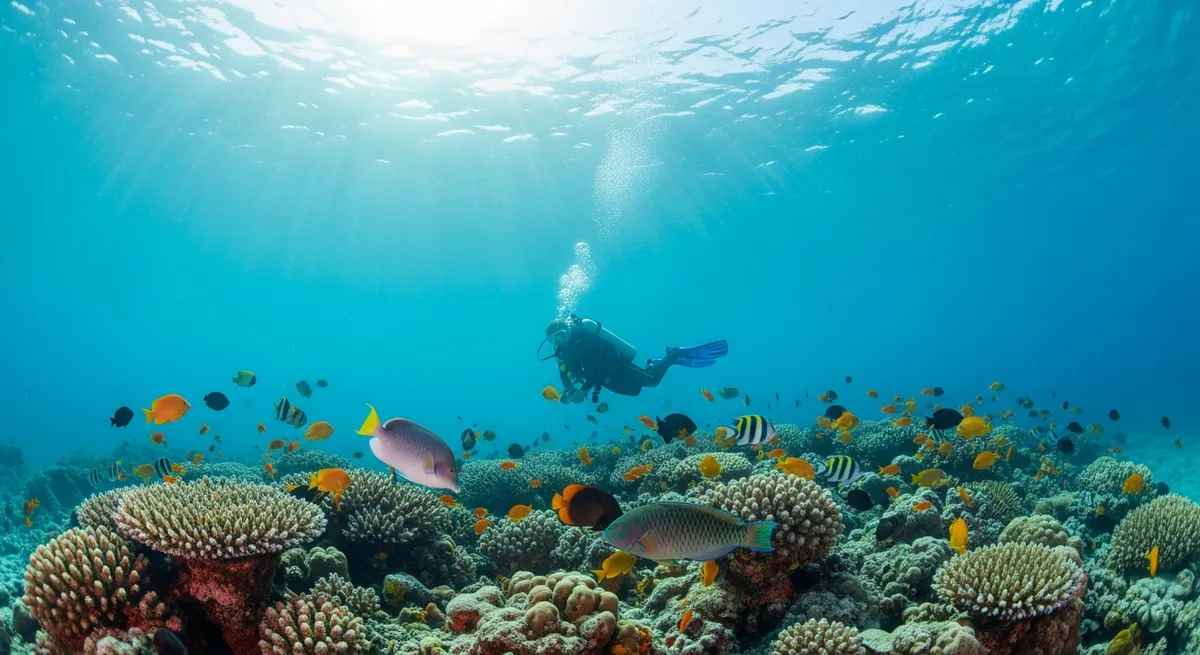
Cayman Islands offers rich diving, with 355+ marine species recorded in its waters - including barracuda, bull sharks, oceanic whitetip sharks, orcas and sea turtles. Water ranges 27-31°C, warmest August, September, October.
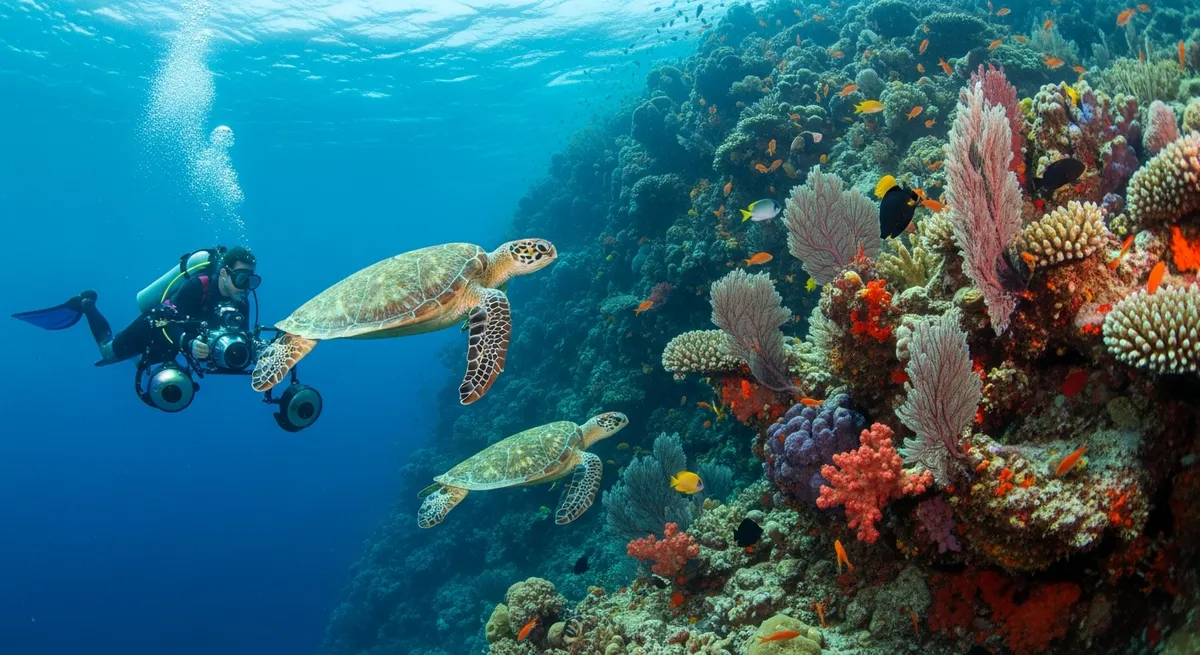
The Caymans feel like home, in a good way. We’ve logged more bottom time here than almost anywhere else in the Caribbean, and for good reason: the wall diving is simply magnificent. Grand Cayman delivers on classic Caribbean drift dives along dramatic drop-offs, often with sharks cruising the blue and schools of horse-eye jacks swirling off the points. Little Cayman, though, is where we tell our friends to go. Bloody Bay Wall, particularly the section around Jackson’s Bight, provides those glorious, long hang-time dives with turtles, eagle rays, and often a nurse shark or two peeking out from under a coral head. If you’re really lucky, you might even spot a Glaucus nudibranch drifting by, a genuine treat. Summer is usually calmer, but the diving is good year-round.
Cayman Islands Dive Regions Map
Cayman Islands Dive Regions
3 diving areas in Cayman Islands
Cayman Brac
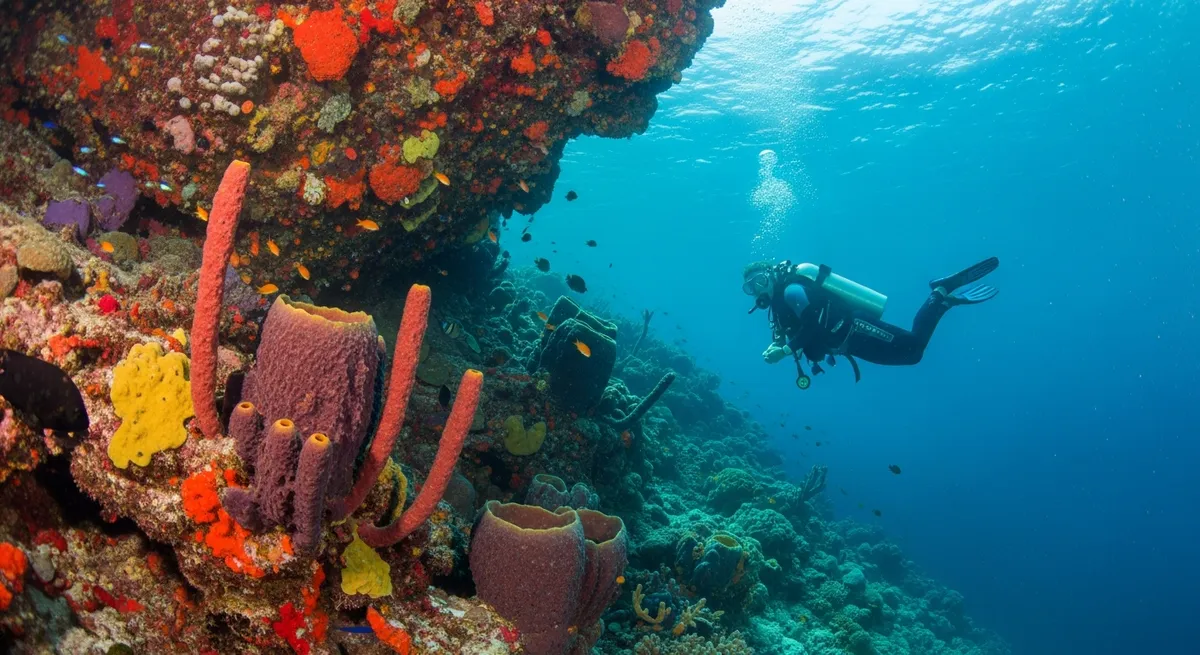
Cayman Brac feels like a throwback, a diver's island where the focus stays squarely on the water. We love the uncrowded sites; you rarely share a mooring. The MV *Captain Keith Tibbetts* is, of course, the main event, a proper Russian frigate broken into two sections after a hurricane, resting at 30 metres. Swimming through the bow section, with light shafts cutting through the gloom, is a deeply satisfying experience. Beyond the wreck, the Bluff Wall is our favourite. It just drops, a sheer face into the deep blue, often with schools of Longspine Squirrelfish hanging in the current. Keep an eye out for Flasher Wrasse on the shallower parts of the reef - their colour changes are captivating. We'd suggest going early morning for the best light on the walls, and the currents tend to be gentler then. While the larger pelagics like Dorado and Allison's Tuna are less common, the sheer density of colourful reef fish, like the Dusky and Threespot Damselfish, keeps every dive interesting. It’s a place for divers who appreciate calm, consistent diving without the crowds.
Grand Cayman
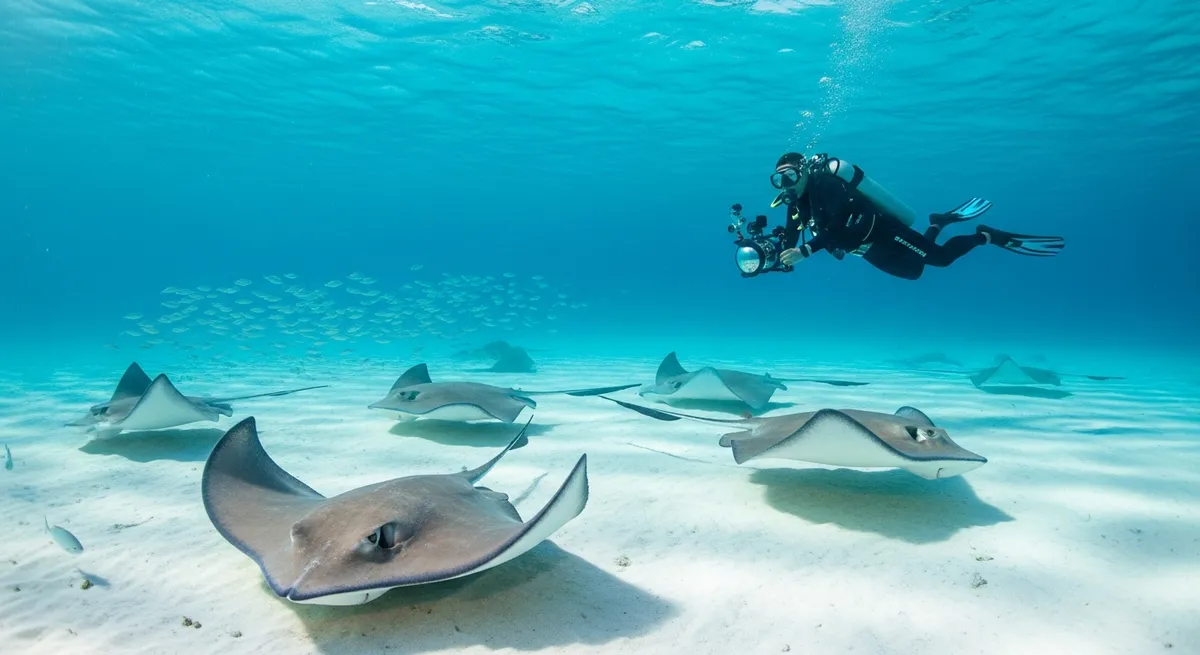
Grand Cayman diving often gets pigeonholed for the Kittiwake wreck, and while we love a good wreck, the island offers so much more. Our favourite dives here are definitely along the North Wall. Dropping down into that blue abyss, you feel the depth instantly. Visibility is usually superb, letting you pick out little gobies on the sponges and morays tucked deep into crevices. On the shallower west side, spots like Eden Rock and Devil's Grotto are surprisingly good shore dives. Slip in with just your gear, and you're surrounded by schools of French grunts and horse-eye jacks. Come in late summer, and you might hit the silverside run, a shimmering, swirling mass of fish attracting tarpon and barracuda. It’s chaotic and thrilling, feeling like a scene straight out of a nature documentary. The currents generally stay mild, especially on the west, making it pretty easy for most divers. We always suggest hitting the sandbar at Stingray City for a snorkel too, just to round out the experience.
Little Cayman
Home to Bloody Bay Wall, consistently ranked among the world's top wall dives. The marine park's pristine condition and limited development ensure spectacular visibility and abundant marine life including Nassau groupers.
Ocean Wildlife in Cayman Islands
355 species recorded in Cayman Islands
Cayman Islands Visa Requirements
Check if you need a visa to dive in Cayman Islands
Plan & book
Ways to dive Cayman Islands, from day trips to liveaboards.
Day trips & courses
via GetYourGuideGuided dives, courses and snorkel trips with instant booking.
Find dive trips in Cayman IslandsPlaces to stay
via Booking.comHotels and dive resorts near Cayman Islands.
Search stays in Cayman IslandsDive insurance
Most travel insurance excludes or limits scuba. Check what you need before you go.
Dive insurance explainedPartner links: we may earn a commission if you book, at no extra cost to you. How we make money