Tarpon Bridge
Protected Area
Oostpunt
Why dive here
With 310+ marine species recorded in the area - including barracuda, octopuses, orcas, sea turtles and sperm whales - Tarpon Bridge offers some of Curaçao Southeast's richest reef diving. Water ranges 27-30°C, warmest September, October, November.
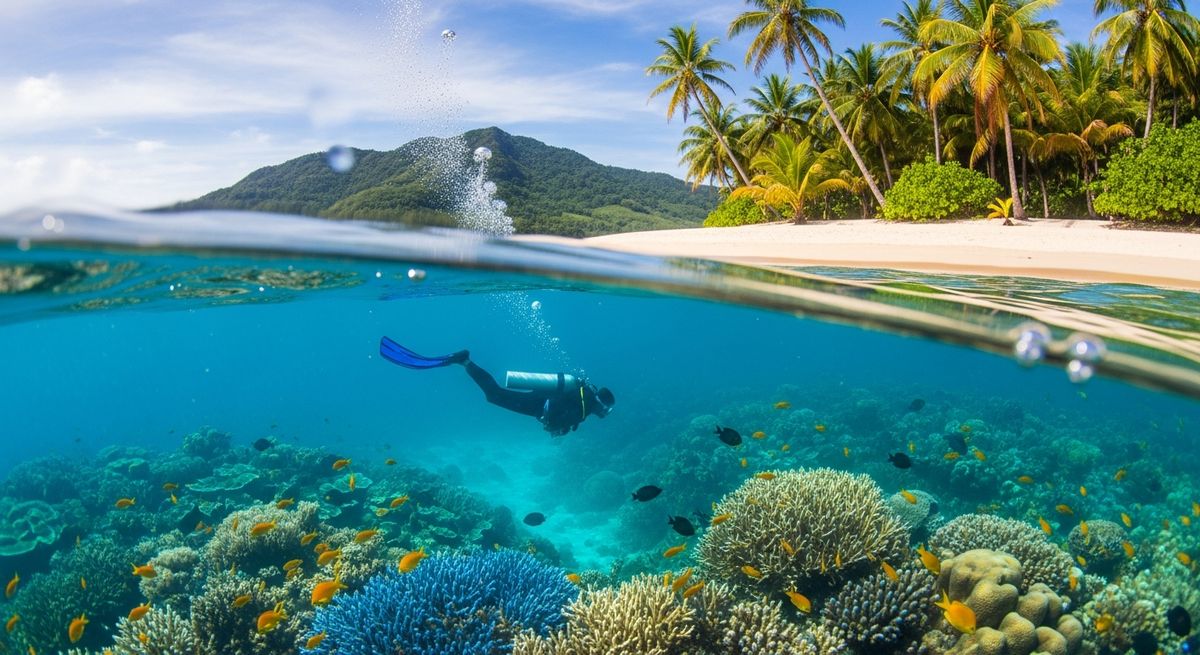
Tarpon Bridge is one of those spots that feels like a real treat, only accessible when the sea plays nice. It’s tucked just around from East Point, so boat access is essential, and we only ever go if it’s absolutely flat. Drop in, and you’re aiming for 16 meters to find the opening of a big cavern. We’ve seen nurse sharks napping in there more than once, just chilling on the sandy bottom, which is always a thrill. Push a little deeper to 20 meters, and that’s where the Tarpon Bridge itself appears – a natural arch about 6 meters high. It’s not just the structure that’s impressive, but the life clinging to its underside. Sponges and corals practically drip from the rock, creating a vibrant ceiling. Schools of Spanish grunts and doctorfish often mill about, and true to its name, tarpon frequently cruise around the arch. We’ve had some truly mesmerising encounters here, watching them glide through the dappled light. Visibility averages a solid 24 meters, making for clear views through the archway. It's a dive for those who appreciate unique topography and a bit of a current-dependent adventure.
Nearest Dive Centres to Tarpon Bridge
Dive shops near Tarpon Bridge
Epsilon Curacao
Curious 2 Dive N.V.
All About Scuba Curacao
Duikschool Fred
Duikcentrum van de Ven
Jan Thiel Diving
Reviews for Tarpon Bridge
Conditions
Ocean conditions, forecast and tides for Tarpon Bridge
Tarpon Bridge Ocean Conditions
Monthly averages for Tarpon Bridge, sourced from Open-Meteo marine data + Copernicus Marine (EU) - nearest station: Open-Meteo marine grid (12.15, -68.97) (2km away)
October Averages
Sea Temperature
30°C
86°F · Range: 29.4–31.4°C
Current Speed
3.61 cm/s
Direction: NW (326.3°)
Chlorophyll-a
0.068 mg/m³
Very clear (oligotrophic)
Salinity
34.91 PSU
Based on 4 years of monitoring data · Data sources: Open-Meteo marine data + Copernicus Marine (EU)
Plan & book
Ways to dive Curaçao Southeast, from day trips to liveaboards.
Day trips & courses
via GetYourGuideGuided dives, courses and snorkel trips with instant booking.
Find dive trips in Curaçao SoutheastPlaces to stay
via Booking.comHotels and dive resorts near Curaçao Southeast.
Search stays in Curaçao SoutheastDive insurance
Most travel insurance excludes or limits scuba. Check what you need before you go.
Dive insurance explainedPartner links: we may earn a commission if you book, at no extra cost to you. How we make money
Where to Stay near Tarpon Bridge
Prices from Booking.com. We may earn a commission at no extra cost to you.