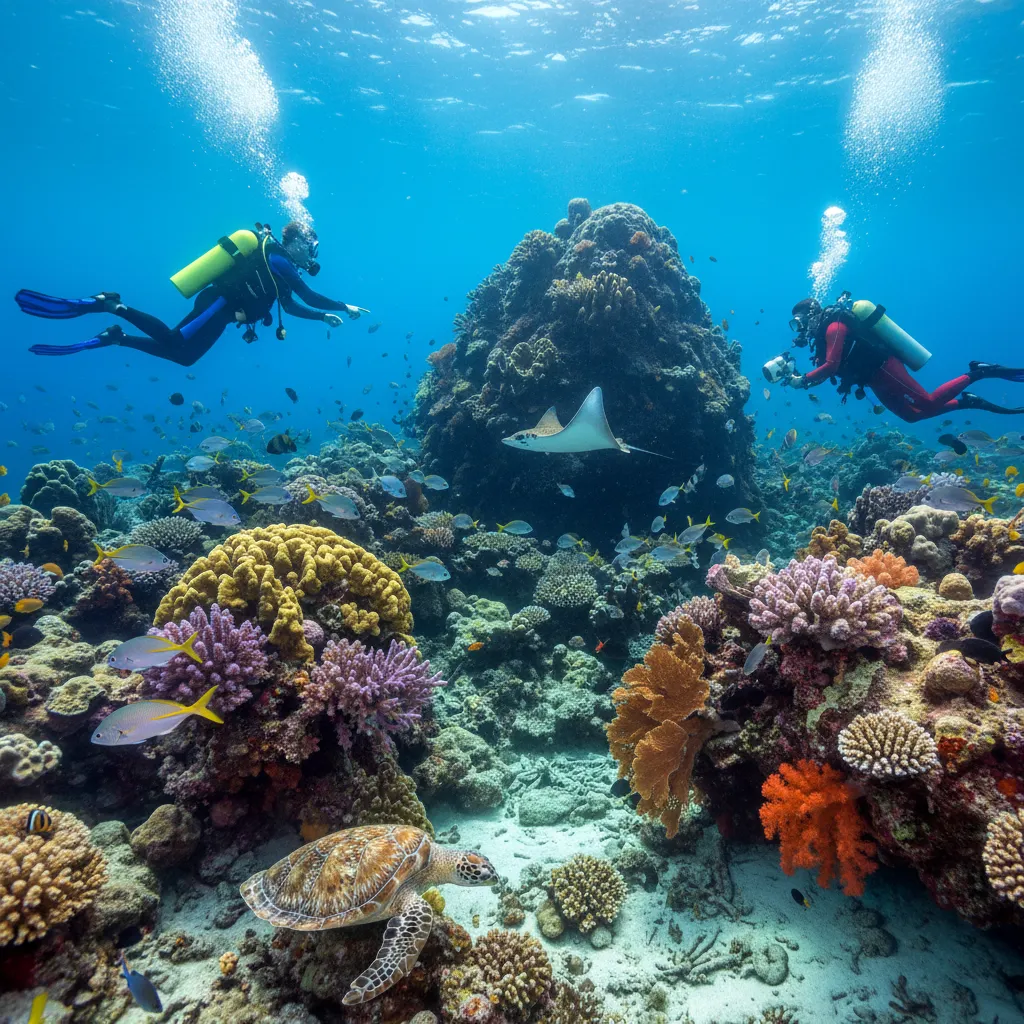

Diving in Martinique
Why dive here
Martinique offers rich diving, with 371+ marine species recorded in its waters - including barracuda, dolphins, dwarf minke whales, eagle rays and humpback whales. Water ranges 27-30°C, warmest August, September, October.
Martinique often flies a little under the radar in the Caribbean, but we think that’s part of its charm. It's a place where you can spend your morning exploring a French market, then dive an hour later on a volcanic reef that drops away into the blue. The real draw, for us, is the Saint-Pierre area, where the 1902 eruption of Mount Pelée created an accidental underwater museum of shipwrecks. Diving those historical wrecks, like the *Dalhia* or the *Roraïma*, covered in sponges and home to schools of grunt and cardinalfish, is a genuinely different experience from your typical Caribbean reef. Diamond Rock is also worth a look for its dramatic topography and the chance to spot bigger pelagics, especially around the deeper pinnacles. We find the dry season, roughly December to May, offers the calmest conditions and best visibility, though you can dive year-round.
Martinique Dive Regions Map
Martinique Dive Regions
2 diving areas in Martinique
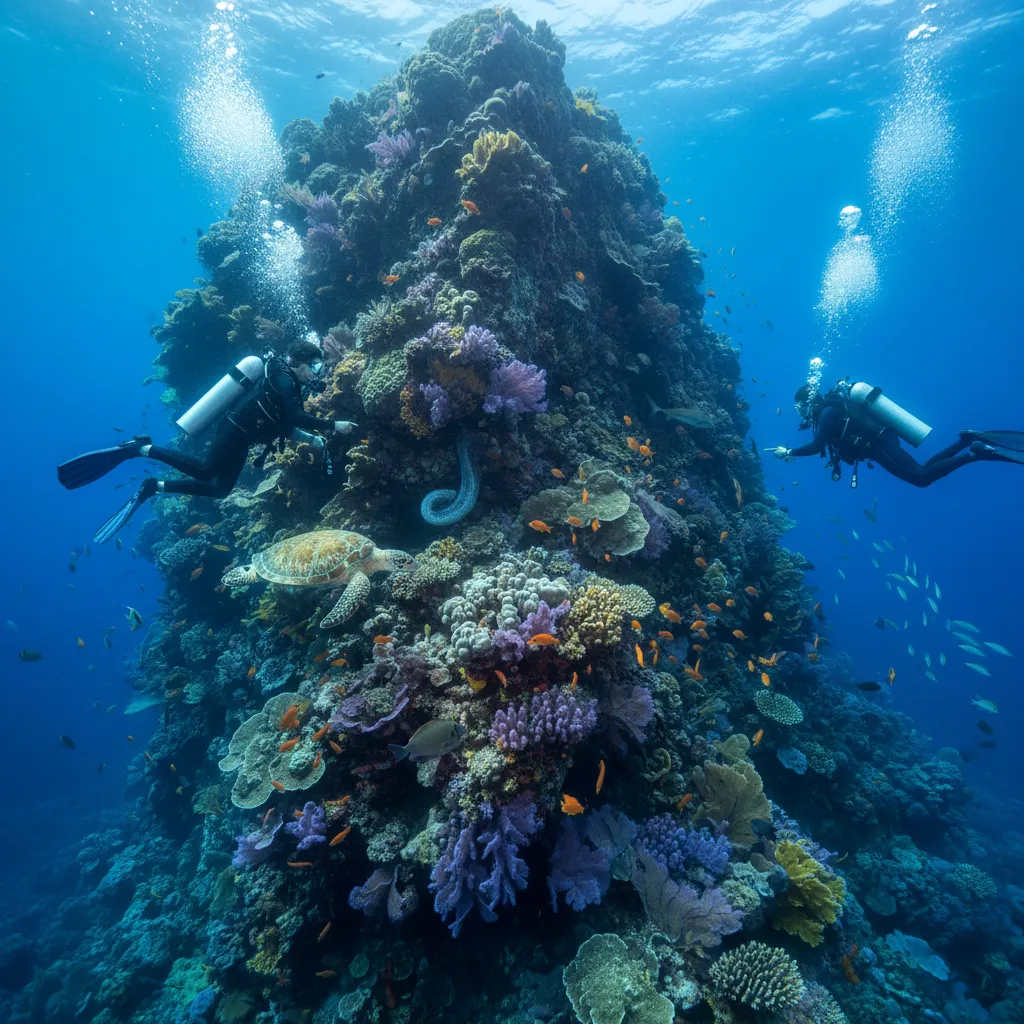
Diamond Rock
Diamond Rock, or Rocher du Diamant as the locals call it, is easily one of our favourite dives in Martinique. This dramatic volcanic outcrop juts straight out of the sea, and the diving here is strictly for advanced divers. The currents can be fierce, sweeping you past schools of blueback mullet so thick they dim the light, and shimmering bluewing searobins hugging the reef. We love the drift dives along its walls, especially on the south side, where the water often feels like a fast-moving river. You’ll be flying past crevices hiding longspine squirrelfish and the occasional dusky cusk. Our top tip for Diamond Rock is to go early in the morning before the wind picks up, which can make the boat ride pretty choppy. We’ve found the best visibility from December to May. Keep an eye out for triggerfish patrolling the deeper sections and, if you’re lucky, you might even spot mahi-mahi in the blue, though they’re more common in the open water surrounding the rock. The highlight for us is always the swim-through beneath the rock itself - a dark, exhilarating experience that feels like you're entering a different world. It’s tight, it’s dark, and it’s absolutely worth the adrenaline.
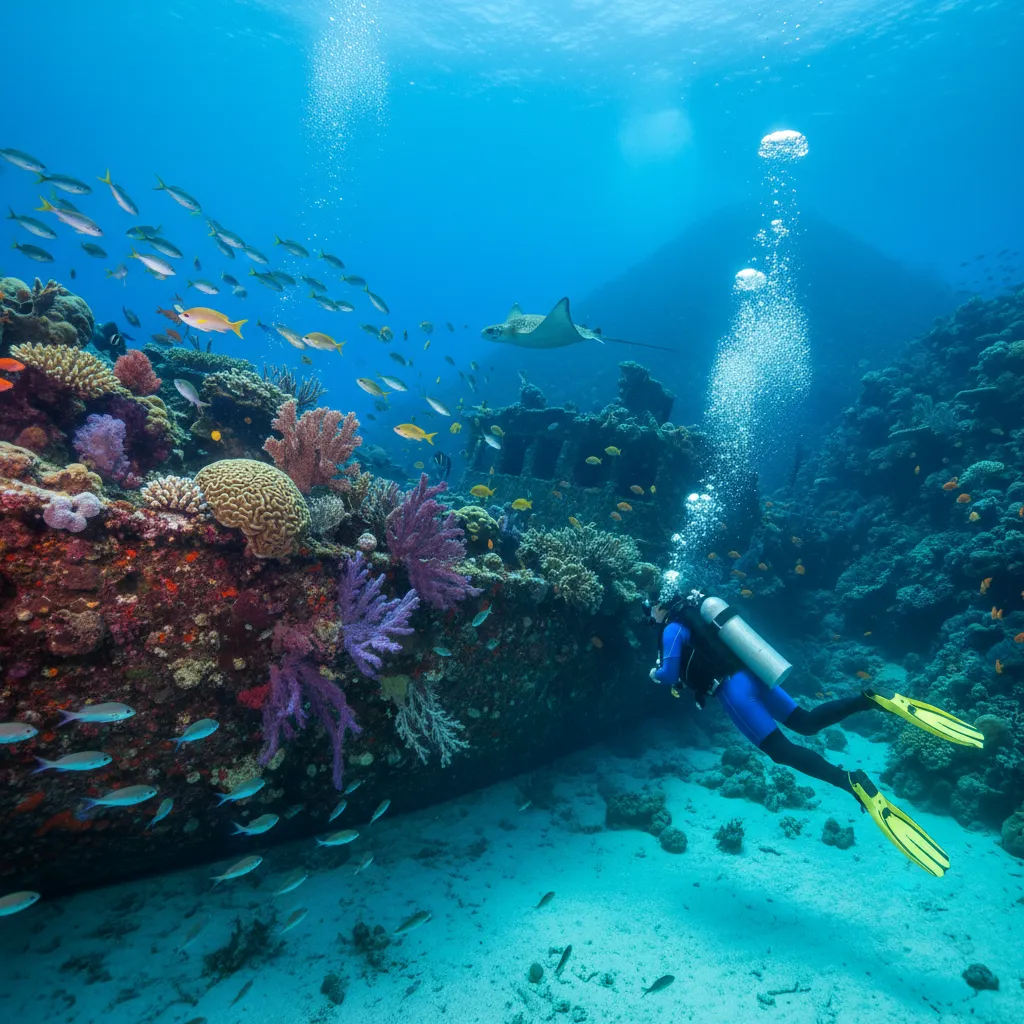
Saint-Pierre
Saint-Pierre is a captivating dive destination, unlike many other Caribbean spots. We love it for its moody, almost ghostly, underwater landscape. This isn't a place for your typical vibrant coral gardens, though there are patches of colour. Instead, you're diving a volcanic wreck graveyard, the result of Mount Pelée’s catastrophic eruption in 1902. We’re talking about a dozen or so vessels, sunk right in their moorings, now resting silently on the sandy bottom, cloaked in a layer of volcanic silt. The visibility here can be a bit variable, sometimes a hazy 15 metres, other times a surprisingly clear 25 metres, particularly in the calmer months between May and November. We'd suggest focusing on the morning dives for the best light penetration into these historical relics. You’ll weave through the skeletal remains of steamships and fishing boats. Keep an eye out for the Ballyhoo schooling around the masts, and we've spotted some surprisingly large Black Margate patrolling the deeper sections. The Mushroom Scorpionfish blend so perfectly with the volcanic rock, it’s a real challenge to spot them, but that's part of the fun. Our favourite moment is always peering into the dark holds, imagining the chaos of that fateful day. It's a sombre, incredibly unique dive, rich with history and a palpable sense of time suspended. You won't find better wreck diving in the region.
Ocean Wildlife in Martinique
371 species recorded in Martinique
Martinique Visa Requirements
Check if you need a visa to dive in Martinique
Plan & book
Ways to dive Martinique, from day trips to liveaboards.
Day trips & courses
via GetYourGuideGuided dives, courses and snorkel trips with instant booking.
Find dive trips in MartiniquePlaces to stay
via Booking.comHotels and dive resorts near Martinique.
Search stays in MartiniqueDive insurance
Most travel insurance excludes or limits scuba. Check what you need before you go.
Dive insurance explainedPartner links: we may earn a commission if you book, at no extra cost to you. How we make money