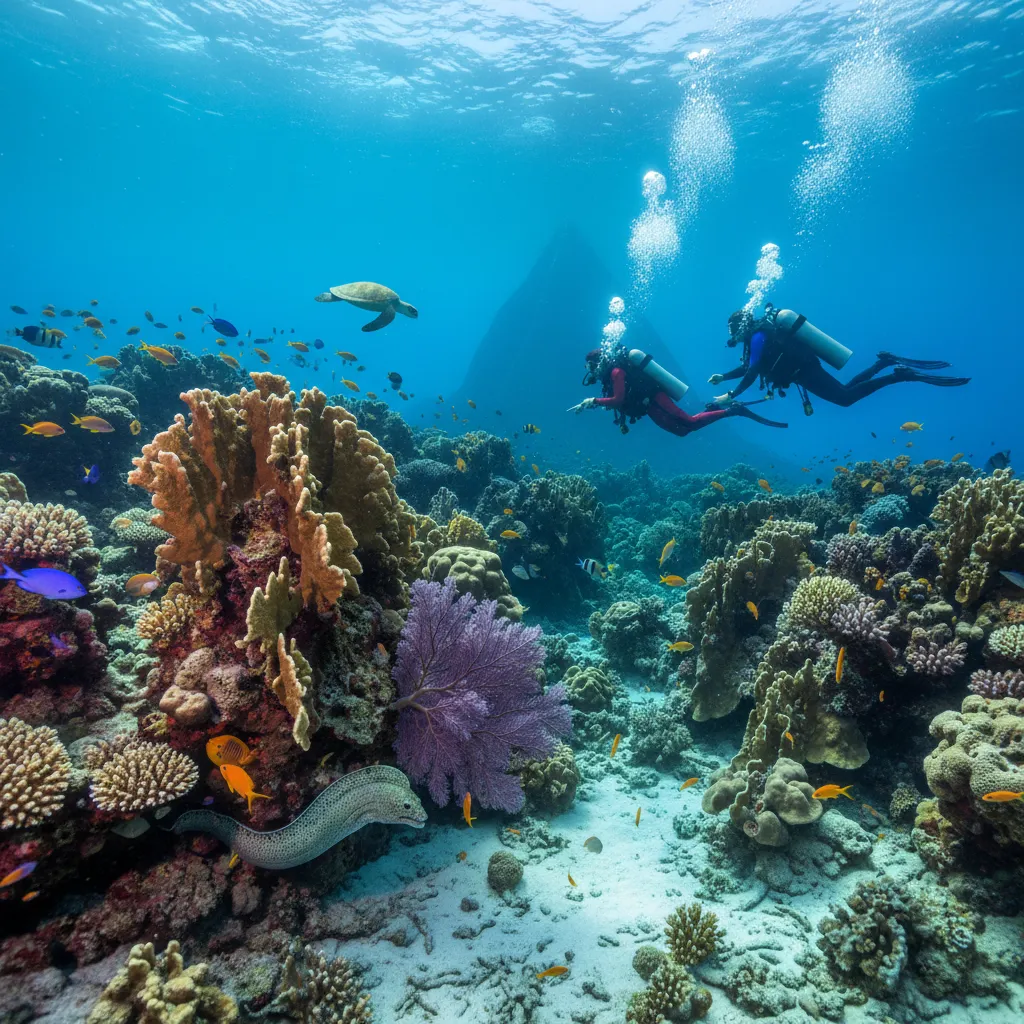

Diving in St. Lucia
Why dive here
St. Lucia offers rich diving, with 257+ marine species recorded in its waters - including bull sharks, dolphins, eagle rays, humpback whales and oceanic whitetip sharks. Water sits around 28°C.
St. Lucia means diving the Pitons, pure and simple. Those twin volcanic peaks don't just dominate the skyline, they plunge straight down into the sea, forming some seriously dramatic walls around Soufriere. Head south from Anse La Raye and you’re into the Soufriere Marine Management Area, which protects reefs robust enough to weather the usual Caribbean storms. We’ve found the diving around here, particularly the Pinnacles, to be fantastic for spotting things like greenblotch parrotfish and the occasional blackfin spiderfish tucked away. Currents can pick up, so we always suggest checking conditions, but generally, the summer months bring calmer seas and excellent visibility, perfect for exploring those deep reef crevices for conger eels.
St. Lucia Dive Regions Map
St. Lucia Dive Regions
2 diving areas in St. Lucia
Anse La Raye
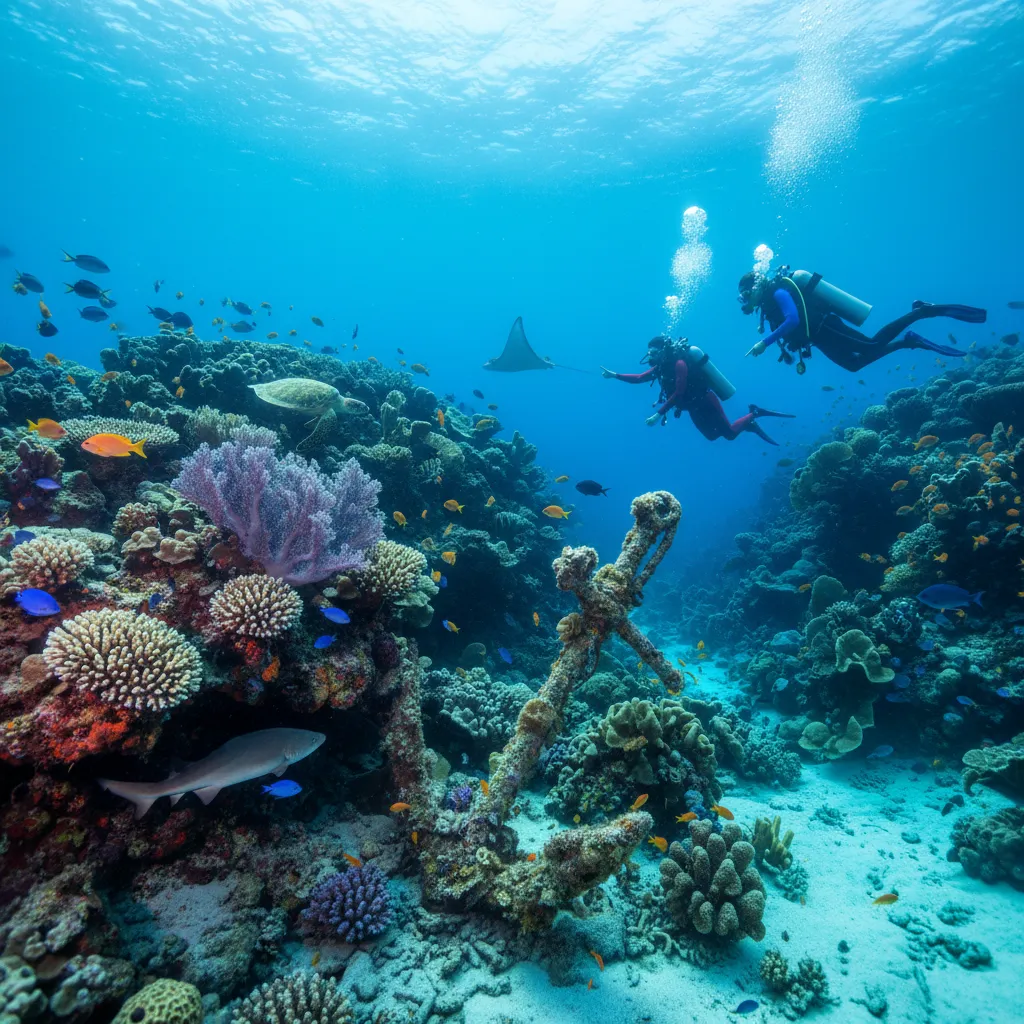
Anse La Raye sits a little off the typical St. Lucian dive circuit, and that’s precisely what we love about it. You get a sense of quiet discovery here, with fewer boats and a more relaxed pace. The dive sites are a good mix, from gentle reefs perfect for knocking off the rust to deeper walls that ask a bit more of you. Our favourite spot here is the wall at Anse Cochon, a proper vertical drop that feels like diving off the edge of the world. We've often found ourselves eye-to-eye with big barracuda lurking in the blue, or spotting the intricate patterns of a spotted trunkfish moving slowly along the coral. Keep an eye out for the odd conger eel peeking from a crevice. The wrecks, like the Lesleen M, are also a fantastic dive, already well-colonised and a magnet for schools of false herring. Visibility is generally good, often stretching to 20-25 metres, and the currents are typically mild, especially compared to some of the more exposed sites further south. We'd suggest going in the morning; the light on the wall is spectacular as the sun climbs higher. The lack of crowds really lets you savour the small stuff, like the shy opossum pipefish or the vibrant red hogfish darting between the soft corals. It's a genuine slice of Caribbean diving, unhurried and full of life.
Soufriere & The Pitons
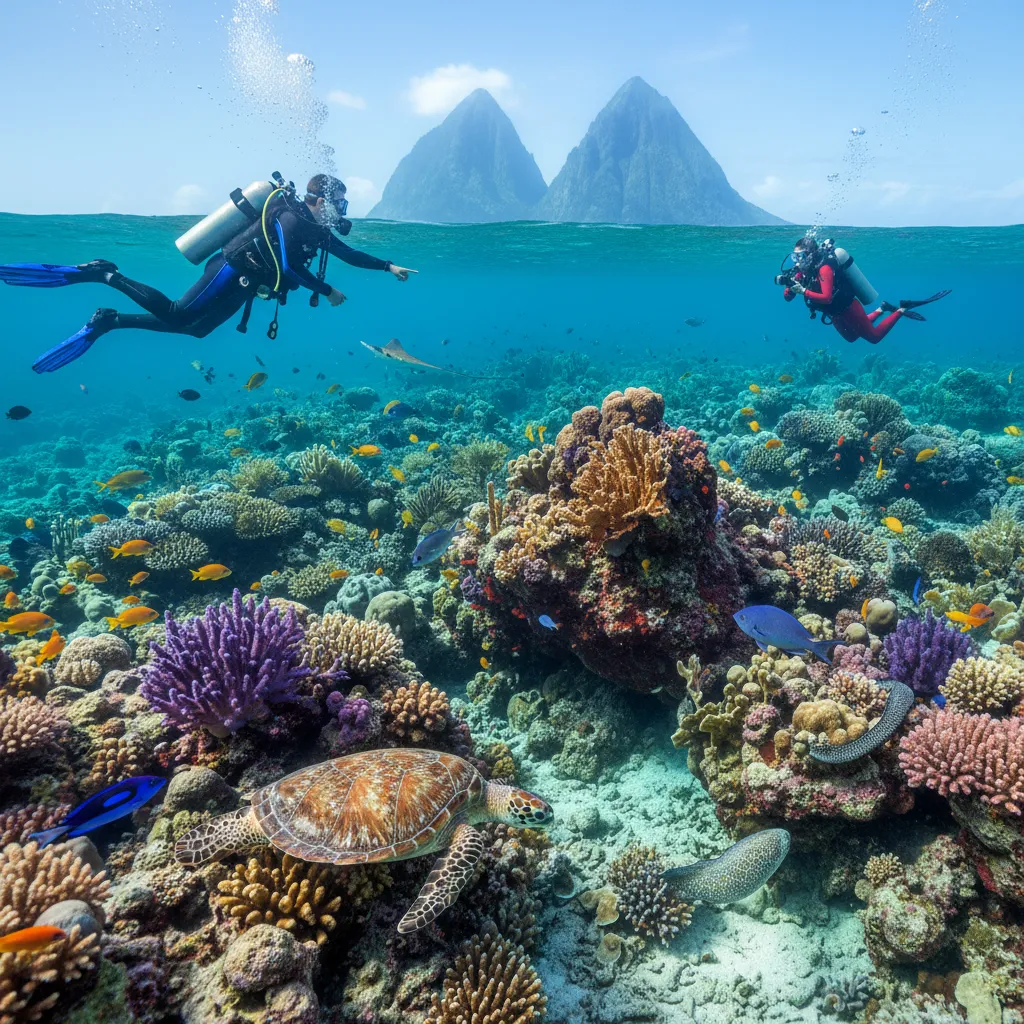
Diving Soufriere means walls, plain and simple. We’re talking world-class wall diving, plummeting beneath the dramatic Piton peaks. Think visibility often stretching past 30 metres, letting you really appreciate the sheer scale as the reef drops away into the blue. Our favourite dive here is probably Superman's Flight, named for the movie scene shot nearby, where you drift along a vibrant wall, often spotting large pelagics cruising by. We love the feeling of hanging mid-water, looking down into the abyss, then glancing up to see the iconic Pitons piercing the surface. Keep an eye out for the smaller stuff too, like the Harlequin Bass tucked into crevices or the shy Brotula peeking from its hideout. The currents can be playful, especially around the points, but they also bring in the bigger fish - we’ve had some fantastic encounters with Mahi Mahi here. If you’re lucky, you might even spot a Leatherback Sea Turtle slowly finning past in season, usually April to June. It’s a superb spot for intermediate divers who appreciate dramatic topography and healthy reefs.
Ocean Wildlife in St. Lucia
257 species recorded in St. Lucia
St. Lucia Visa Requirements
Check if you need a visa to dive in St. Lucia
Plan & book
Ways to dive St. Lucia, from day trips to liveaboards.
Day trips & courses
via GetYourGuideGuided dives, courses and snorkel trips with instant booking.
Find dive trips in St. LuciaPlaces to stay
via Booking.comHotels and dive resorts near St. Lucia.
Search stays in St. LuciaDive insurance
Most travel insurance excludes or limits scuba. Check what you need before you go.
Dive insurance explainedPartner links: we may earn a commission if you book, at no extra cost to you. How we make money