Scuba Diving in Trinidad & Tobago

Explore 69 dive sites and 2 dive centres in Trinidad & Tobago. Conditions, marine life, and the best time to dive.

Trinidad & Tobago Diving at a Glance

1 dive region, 69 dive sites, 2 dive centres, 344 marine species recorded.

Travel Advisories for Trinidad & Tobago

UK FCDO: See travel advice before travelling.

Best Time to Dive in Trinidad & Tobago

The best months to dive in Trinidad & Tobago are January, February, March, based on water temperature, visibility, wave conditions, and currents.

Month-by-Month Diving Conditions

  • January: Great, water 28.1°C
  • February: Great, water 28.1°C
  • March: Great, water 28.1°C
  • April: Great, water 28.1°C
  • May: Great, water 28.1°C
  • June: Great, water 28.1°C
  • July: Great, water 28.1°C
  • August: Great, water 28.1°C
  • September: Great, water 28.1°C
  • October: Great, water 28.1°C
  • November: Great, water 28.1°C
  • December: Great, water 28.1°C

Recommended Packing List for Trinidad & Tobago

Based on average water temperature of 28.1°C.

  • Shorty or Rashguard - warm 28°C water needs minimal exposure protection
  • Mask - essential for every dive
  • Fins
  • BCD - buoyancy compensator
  • Regulator - your most safety-critical piece of gear
  • Dive Computer - tracks depth, time, and NDL
  • Surface Marker Buoy (SMB) - essential for boat pickups
  • Dive Torch - useful for crevices and colour at depth
  • Underwater Camera - capture your diving memories

Dive Regions

Frequently Asked Questions

What is the best time of year to go scuba diving in Trinidad & Tobago for optimal visibility and marine life?
Trinidad & Tobago offers consistent diving conditions year-round, with water temperatures holding steady at 28°C from January to December. The nutrient-rich waters support spectacular marine biodiversity, making any time of year excellent for encountering marine life. For more details on seasonal conditions, you can visit our When to Dive guide.
What are the visa and entry requirements for international travelers planning a dive trip to Trinidad & Tobago?
The provided data context does not contain information regarding visa and entry requirements for international travelers to Trinidad & Tobago. We recommend checking the official government travel advisories or the embassy website for the most up-to-date information before planning your trip.
What kind of marine life and coral formations can divers expect to see in the waters around Trinidad & Tobago?
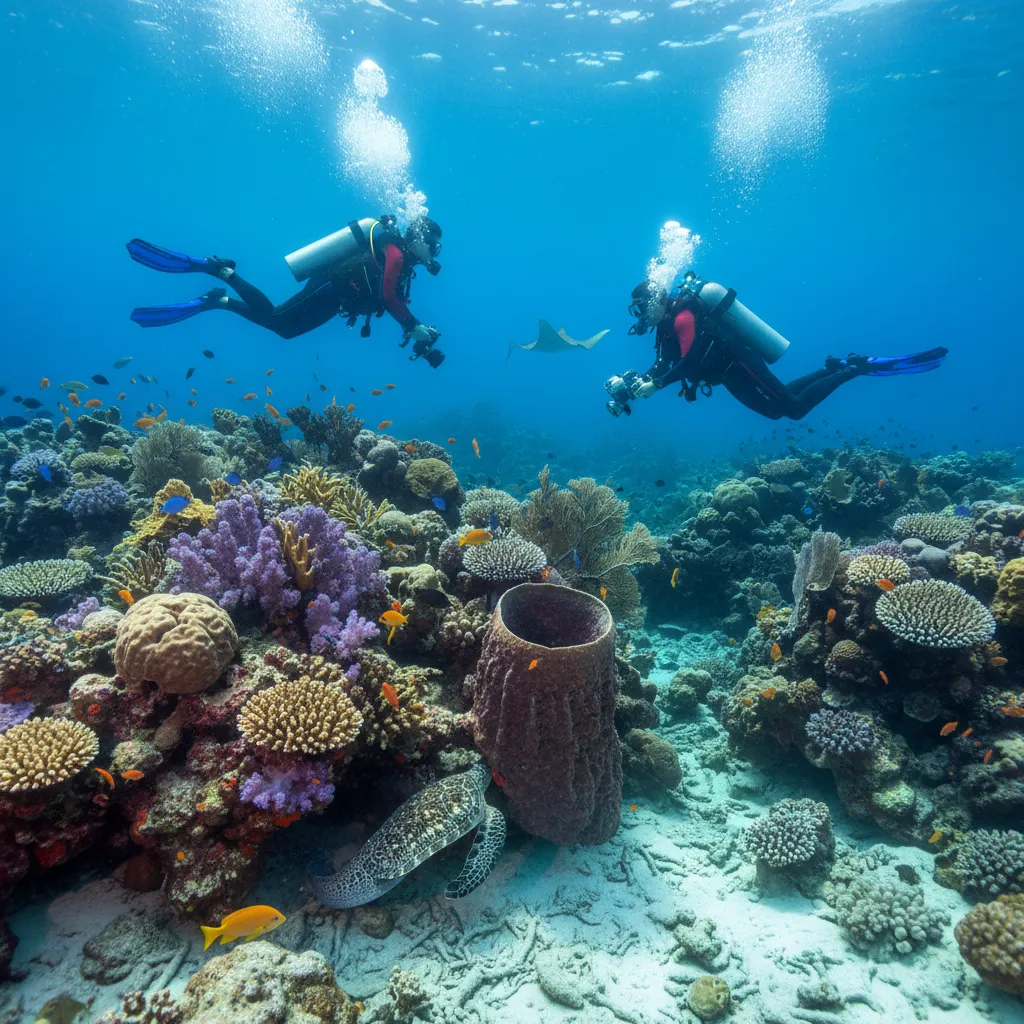
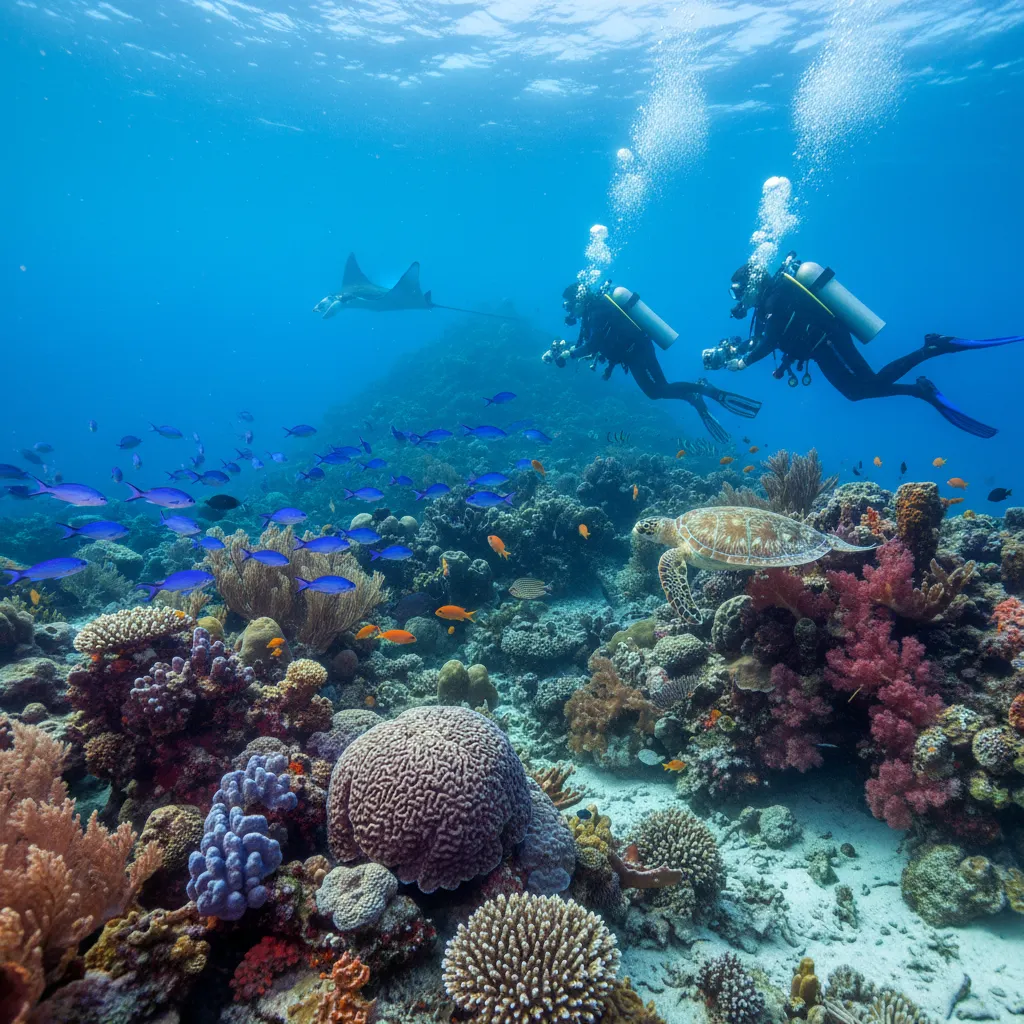
Divers in Trinidad & Tobago can expect to encounter spectacular marine biodiversity, supported by the nutrient-rich waters where the Caribbean Sea meets the Atlantic Ocean. The region is particularly known for its impressive coral formations, including some of the largest brain corals on Earth, especially around sites like the Sisters Rocks. To explore more about specific species, visit our wildlife database.
Are there dive sites in Trinidad & Tobago suitable for beginner divers, or is it primarily for experienced divers?
The provided data highlights that Tobago offers world-class drift diving at sites like the Sisters Rocks, which often appeals to more experienced divers. However, the data does not specify whether there are dedicated dive sites suitable for beginner divers among the 70 available sites. We recommend contacting local dive centres in Trinidad & Tobago to inquire about beginner-friendly options.
What are the typical costs for scuba diving trips and equipment rental in Trinidad & Tobago?
The provided data context does not include information on the typical costs for scuba diving trips or equipment rental in Trinidad & Tobago. For current pricing, it is best to directly contact one of the 2 dive centres in Trinidad & Tobago. You can also learn more about diving equipment on our site.
Which specific dive regions or areas in Trinidad & Tobago are most recommended for scuba diving, and why?
For scuba diving in Trinidad & Tobago, the sub-region of Tobago is highly recommended, boasting 69 of the country's 70 dive sites. Tobago is renowned for its world-class drift diving, particularly at sites like the Sisters Rocks, and is home to some of the largest brain corals on Earth. The nutrient-rich waters here contribute to spectacular marine biodiversity, making it a prime destination.
What are the typical water temperatures and visibility ranges generally experienced when diving in Trinidad & Tobago?
Divers in Trinidad & Tobago can expect remarkably consistent water temperatures, holding steady at 28°C throughout the entire year, from January to December. The provided data context does not specify typical visibility ranges for the region.
Are there any specific health or safety considerations divers should be aware of when visiting Trinidad & Tobago?
The provided data context does not contain specific health or safety considerations for divers visiting Trinidad & Tobago. As with any dive trip, it is always advisable to ensure you have appropriate dive insurance and are aware of local emergency procedures.