
Diving in US Virgin Islands
Why dive here
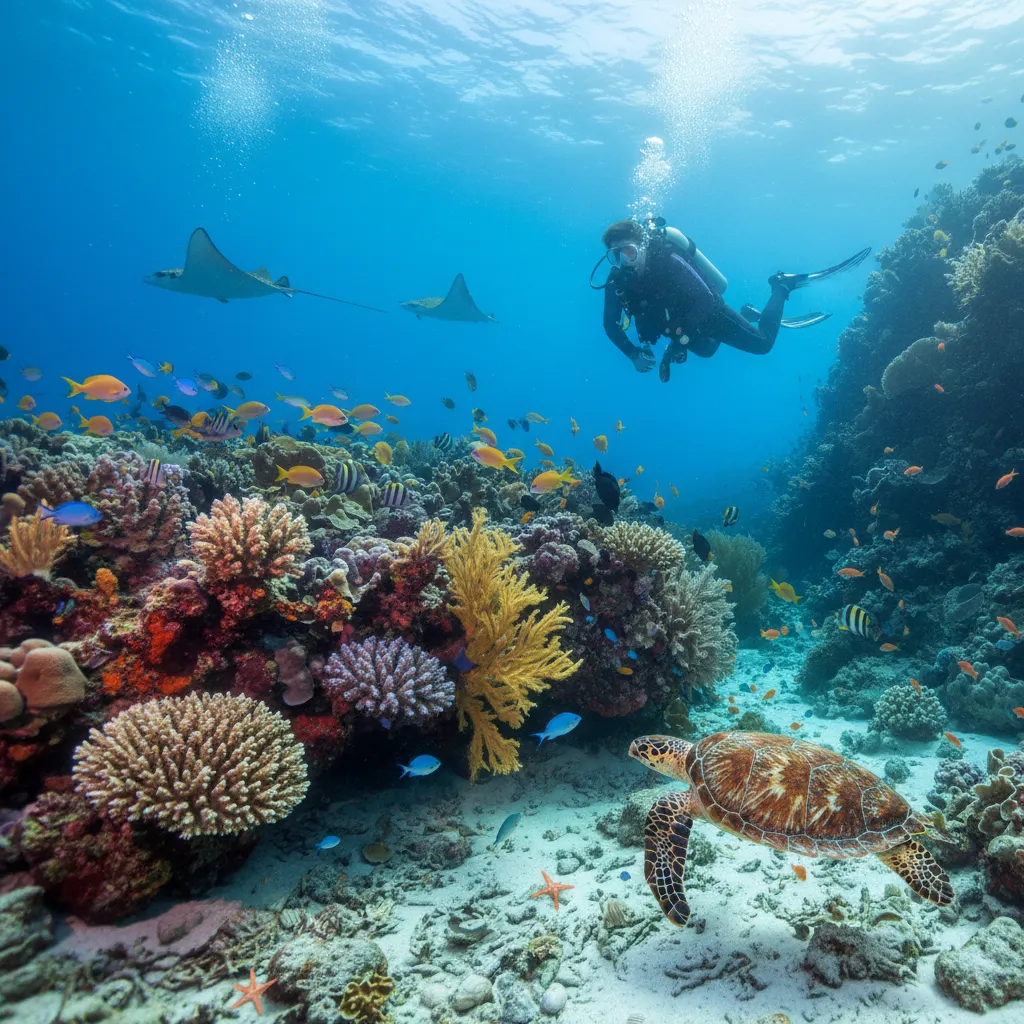
US Virgin Islands offers rich diving, with 541+ marine species recorded in its waters - including barracuda, blacktip reef sharks, dolphins, eagle rays and humpback whales. Water sits around 27°C.
The US Virgin Islands give you classic Caribbean diving with a distinct American accent. We’re talking easy logistics for US citizens, no passport needed, and a familiar infrastructure, all wrapped up in that warm, clear water we chase. For dramatic walls and proper wreck diving, St. Croix takes the prize, especially with its famous 'Cane Bay Wall' drop-off. Over on St. Thomas and St. John, it's more about reef exploration, and we've spotted some interesting critters like Dwarf Frogfish and those tiny Darter Gobies tucked away. We find the sweet spot for a visit is generally November to May, dodging hurricane season and getting calmer seas for exploring the 49 dive sites.
US Virgin Islands Dive Regions Map
US Virgin Islands Dive Regions
2 diving areas in US Virgin Islands
St. Croix
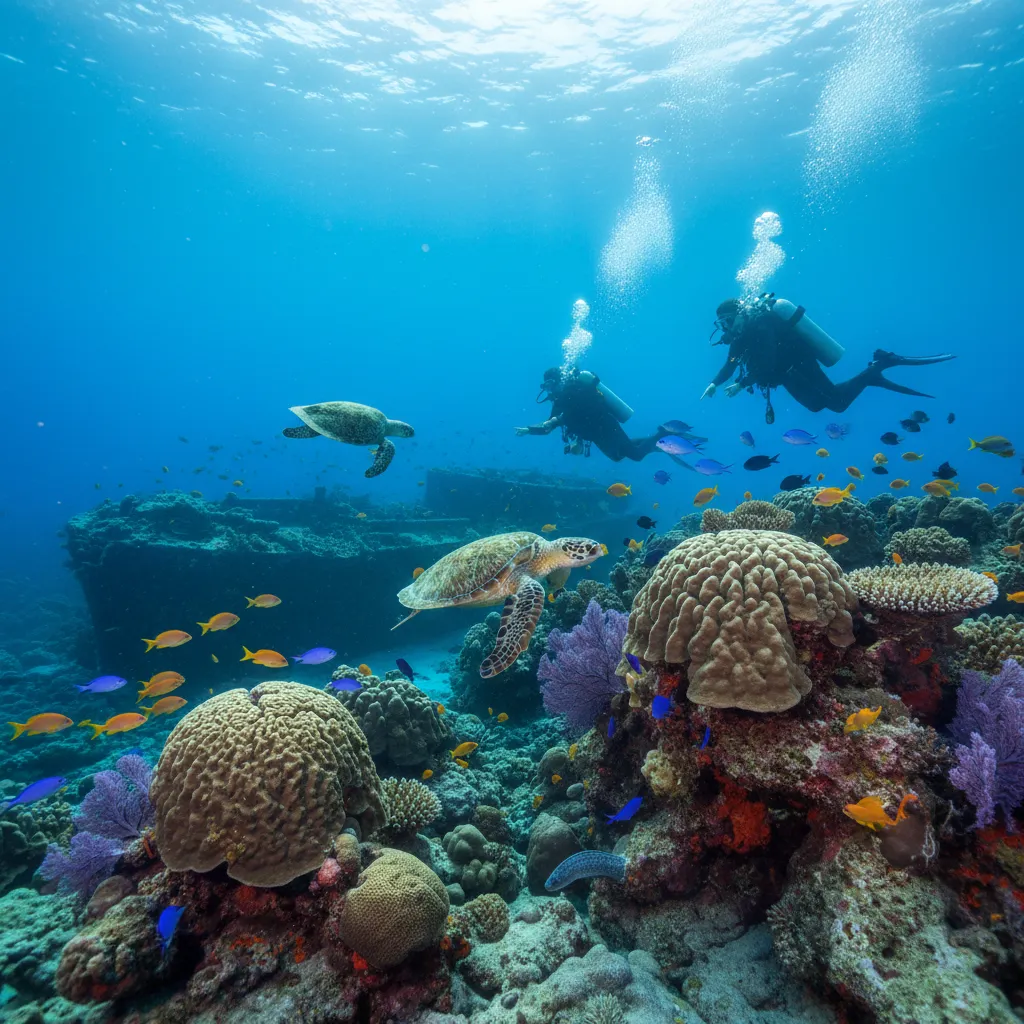
St. Croix offers some seriously compelling Caribbean diving. What we really love is the sheer variety for an island this size. You’ve got the famous wall, plunging dramatically off the north shore, and then the more gentle, sprawling reefs around Buck Island. The wall dives are often drift dives, and we’d suggest trying to get on an early boat to catch the wall waking up, before the bigger boats arrive. Visibility here is generally good, often pushing 25 meters, and the water stays bathtub warm all year. We've had fantastic encounters with trumpetfish hanging vertically, perfectly camouflaged, and the subtle beauty of orangeside gobies perched on corals. Keep an eye out for mimic blennies, they’re masters of disguise and a real treat if you spot one. The wreck of the Rosaomaira, or Butler Bay Wreck as it’s often called, is a fun penetration dive for those with the right certs, but even swimming over the top of it is cool. It’s got a classic Caribbean vibe, laid-back with proper dive ops. We’d recommend heading out to Buck Island for a snorkel or a shallow dive; the elkhorn coral formations are truly something special and often overlooked.
St. Thomas & St. John
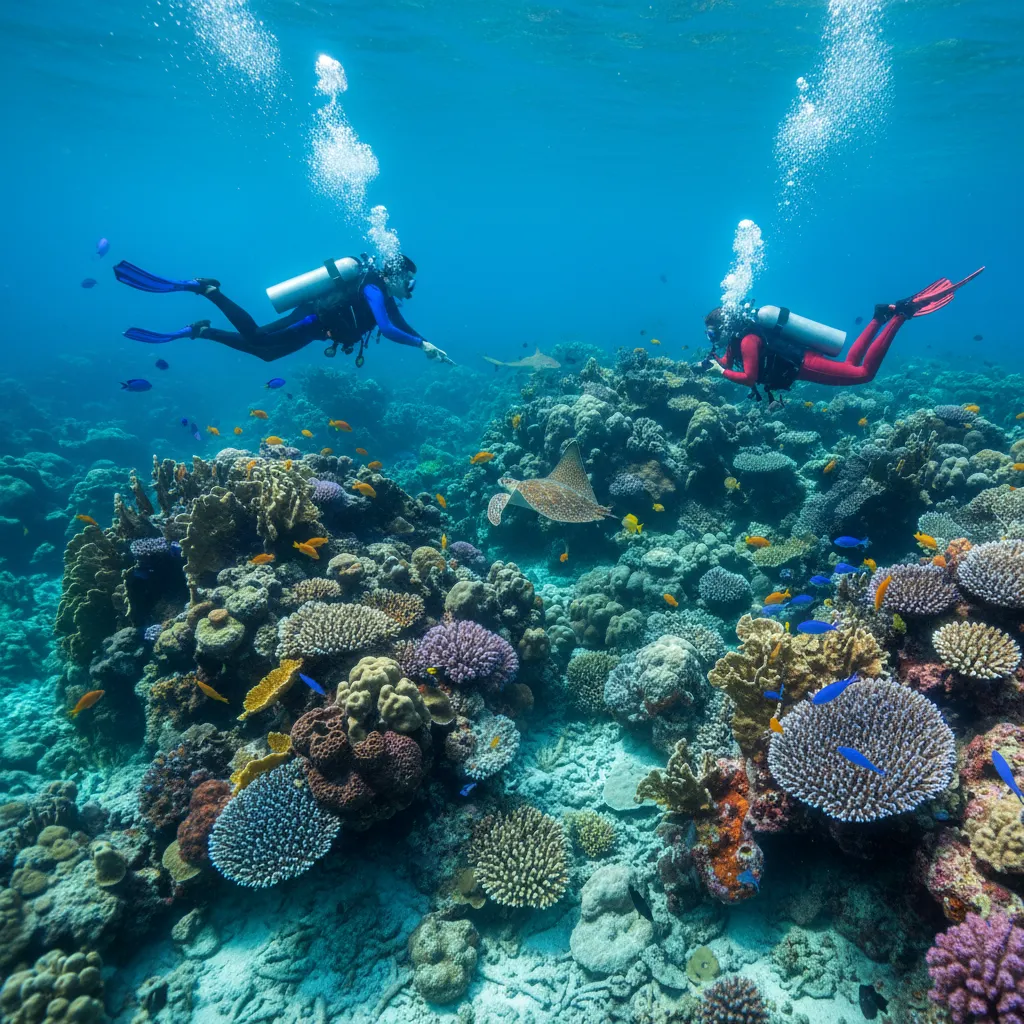
St. Thomas and St. John diving, we’ve found, often gets a casual nod, but it’s worth a deeper look. These twin islands offer a relaxed pace, and while you won’t always be chasing megafauna, the macro life and coral formations here are genuinely captivating. Dive the pinnacle reefs, and you’ll often find schools of Creole Wrasse shimmering, while the wrecks hold secrets like the curious Shortchin Stargazer, buried in the sand. We love the way the sunlight filters through the Elkhorn coral gardens, especially on a calm morning, illuminating the Olive Chromis darting in and out. For something a little different, keep an eye out for the Bearded Goby tucked away in the crevices. The Virgin Islands Coral Reef National Monument is a real highlight, providing some remarkably healthy coral stretches that sometimes feel overlooked. Our tip: go slow, bring a good macro lens, and look for the Naked Blennies, they’re everywhere once you start seeing them. Currents are generally manageable, making it an excellent spot for honing those buoyancy skills and really observing the smaller details.
Ocean Wildlife in US Virgin Islands
541 species recorded in US Virgin Islands
US Virgin Islands Visa Requirements
Check if you need a visa to dive in US Virgin Islands
Plan & book
Ways to dive US Virgin Islands, from day trips to liveaboards.
Day trips & courses
via GetYourGuideGuided dives, courses and snorkel trips with instant booking.
Find dive trips in US Virgin IslandsPlaces to stay
via Booking.comHotels and dive resorts near US Virgin Islands.
Search stays in US Virgin IslandsDive insurance
Most travel insurance excludes or limits scuba. Check what you need before you go.
Dive insurance explainedPartner links: we may earn a commission if you book, at no extra cost to you. How we make money