Cadena
Protected Area
Caletas Ario
Why dive here
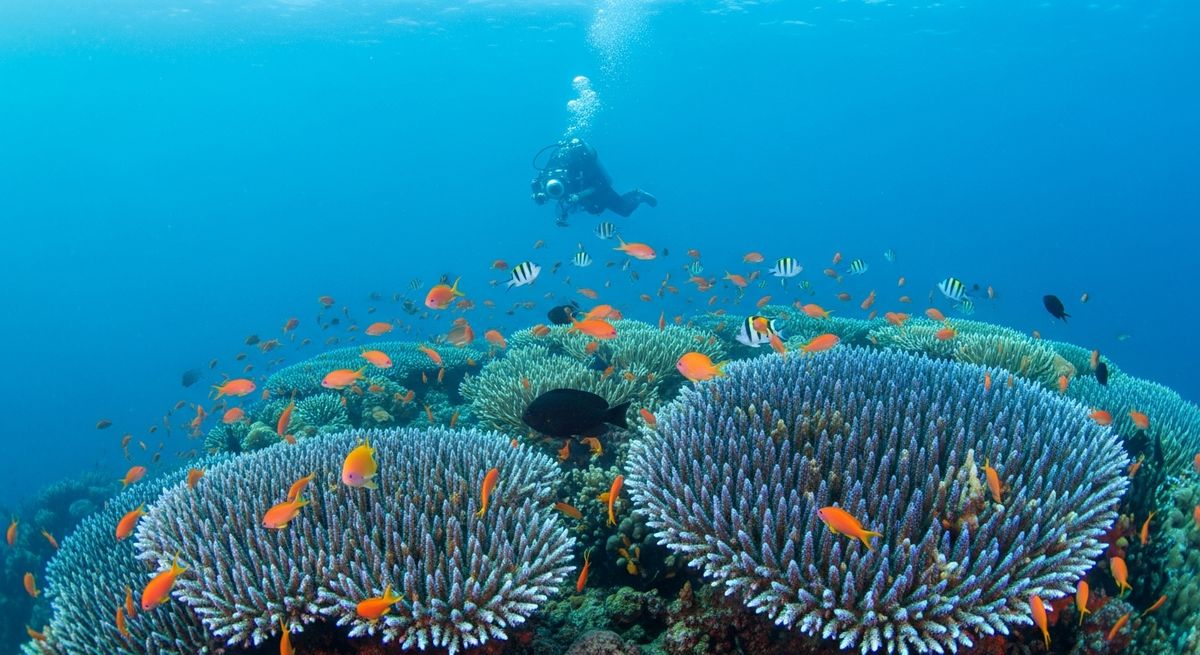
With 217+ marine species recorded in the area - including dolphins, humpback whales, orcas, sea turtles and pufferfish - Cadena offers some of Caribbean Coast's richest reef diving. Water ranges 29-31°C, warmest March, April, May.
Cadena, off Costa Rica’s Caribbean coast, offers a different kind of dive. At a shallow 15 metres, it’s mostly a flat, sandy bottom with scatterings of rubble, not dramatic walls or massive coral heads. But that’s its charm. We’ve often spotted some intriguing bottom dwellers here – think speckled-tail flounders, smooth stargazers, and various snake eels camouflaging themselves in the sand. It’s a great spot for newer divers, or anyone who enjoys slowing down and really looking for the smaller, less obvious creatures. Visibility averages around seven metres, so it’s more about the macro life than wide-angle vistas.
Typical Cadena Dive Profile
Illustrative profile based on site depth and type. Actual dive profiles vary - always follow your dive computer and training.
Nearest Dive Centres to Cadena
Dive shops near Cadena
View all dive centres in Caribbean CoastReviews for Cadena
Conditions
Ocean conditions, forecast and tides for Cadena
Cadena Ocean Conditions
Monthly averages for Cadena, sourced from Open-Meteo marine data + Copernicus Marine (EU) - nearest station: Open-Meteo marine grid (9.78, -84.89) (48km away)
October Averages
Sea Temperature
29°C
85°F · Range: 27.9–31.1°C
Current Speed
5 cm/s
Direction: N (0°)
Chlorophyll-a
0.142 mg/m³
Clear water
Salinity
28.81 PSU
Based on 4 years of monitoring data · Data sources: Open-Meteo marine data + Copernicus Marine (EU)
Plan & book
Ways to dive Caribbean Coast, from day trips to liveaboards.
Day trips & courses
via GetYourGuideGuided dives, courses and snorkel trips with instant booking.
Find dive trips in Caribbean CoastPlaces to stay
via Booking.comHotels and dive resorts near Caribbean Coast.
Search stays in Caribbean CoastDive insurance
Most travel insurance excludes or limits scuba. Check what you need before you go.
Dive insurance explainedPartner links: we may earn a commission if you book, at no extra cost to you. How we make money
Where to Stay near Cadena
Prices from Booking.com. We may earn a commission at no extra cost to you.