Las tetas
Protected Area
Marino las Baulas de Guanacaste
Why dive here
With 217+ marine species recorded in the area - including dolphins, humpback whales, orcas, sea turtles and pufferfish - Las tetas offers some of Caribbean Coast's richest wall diving. Water ranges 29-31°C, warmest March, April, May.
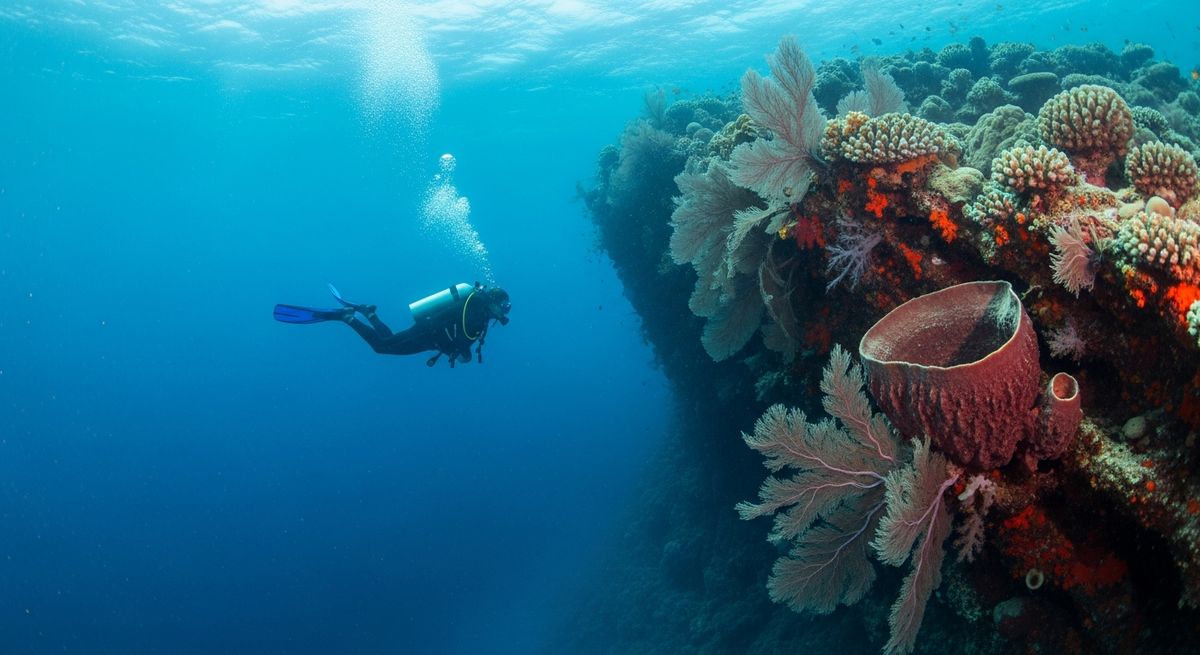
Las Tetas, off Costa Rica’s Caribbean coast, is a site we always try to hit when the conditions align. It’s essentially two rock pinnacles, one bigger, one smaller, breaking the surface and dropping down to about 17 meters. You get a real sense of being offshore here. We usually kick off our dive along the northern rock, keeping an eye out for the resident snowy groupers lurking in the shadows. It's a proper wall dive in parts, with plenty of cracks and crevices to poke around in. We often find Hancock's blennies peering out, and the occasional freckled moray. The sheer number of smaller reef fish can be impressive – schools of snappers and grunts often swirl around the pinnacles, and we’ve seen big pufferfish moseying along. Visibility averages around 11 meters, which isn’t epic, but it’s usually enough to get a good sense of the action unfolding. Keep an eye on the blue for whitetip reef sharks cruising by, and if you’re lucky, a manta ray might ghost past. It’s a site that suits divers comfortable with a bit of current and who appreciate the dramatic topography of offshore pinnacles.
Nearest Dive Centres to Las tetas
Dive shops near Las tetas
Tienda de Buceo
ChrisDiving, Dive Center Costa Rica
Tamarindo Diving
TamaDive SRL
Rocket Frog Divers
Summer Salt Dive Center
Reviews for Las tetas
Conditions
Ocean conditions, forecast and tides for Las tetas
Las tetas Ocean Conditions
Monthly averages for Las tetas, sourced from Open-Meteo marine data + Copernicus Marine (EU) - nearest station: Open-Meteo marine grid (9.78, -84.89) (48km away)
October Averages
Sea Temperature
29°C
85°F · Range: 27.9–31.1°C
Current Speed
5 cm/s
Direction: N (0°)
Chlorophyll-a
0.142 mg/m³
Clear water
Salinity
28.81 PSU
Based on 4 years of monitoring data · Data sources: Open-Meteo marine data + Copernicus Marine (EU)
Plan & book
Ways to dive Caribbean Coast, from day trips to liveaboards.
Day trips & courses
via GetYourGuideGuided dives, courses and snorkel trips with instant booking.
Find dive trips in Caribbean CoastPlaces to stay
via Booking.comHotels and dive resorts near Caribbean Coast.
Search stays in Caribbean CoastDive insurance
Most travel insurance excludes or limits scuba. Check what you need before you go.
Dive insurance explainedPartner links: we may earn a commission if you book, at no extra cost to you. How we make money
Where to Stay near Las tetas
Prices from Booking.com. We may earn a commission at no extra cost to you.