Pelican Rock
Protected Area
Santa Rosa
Why dive here
With 217+ marine species recorded in the area - including dolphins, humpback whales, orcas, sea turtles and pufferfish - Pelican Rock offers some of Caribbean Coast's richest drift diving. Water ranges 29-31°C, warmest March, April, May.
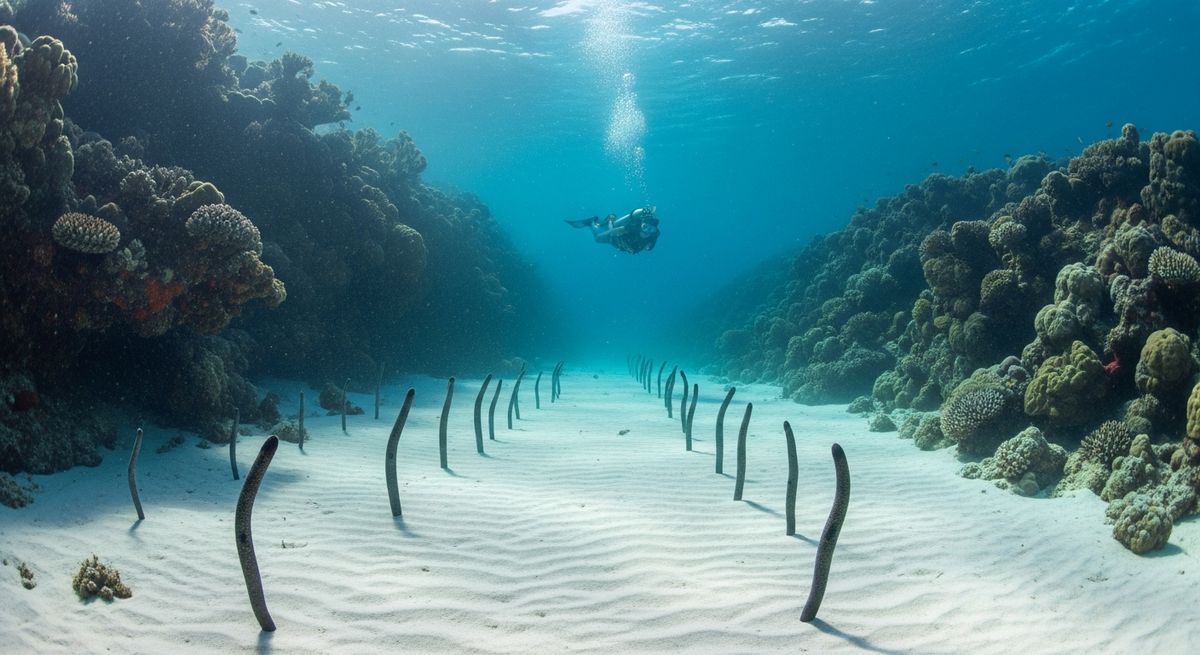
Pelican Rock, just a short boat ride from Playas del Coco, is one of those sites we always recommend for a relaxed afternoon. Don't let the "shallow training site" tag fool you; there's plenty to keep an experienced eye busy, even if you’re only dropping to 8 or 10 metres. We love cruising over the sandy bottom between the two main pinnacles, keeping an eye out for rays - we've spotted a few guitar rays here, which is always a treat, along with stingrays settled into the sand. Peek into the crevices and under ledges formed by the rocks; that's where the morays like to hide. We've seen some beautifully camouflaged hourglass morays peeking out, and the nudibranchs here are surprisingly diverse for a shallow site, often clinging to the rock face. The visibility averages around 10 metres, so it’s not always gin-clear, but it’s usually good enough to appreciate the details, like the delicate triplefins hovering near the rock, or a hand-strapped crab scuttling past. It’s perfect for divers who want to take their time, practice buoyancy, or just enjoy a chill dive without strong currents.
Safety Notes
Drift dive - carry a surface marker buoy (SMB) and stay with your group. Brief the current direction before entry.
Nearest Dive Centres to Pelican Rock
Dive shops near Pelican Rock
TikiHut Watersports Coco (located near Bosque del Mar hotel in playa Hermosa)
Rockdivers Pick up
Deep Blue Diving
Summer Salt Dive Center
BA
Summer Salt
Reviews for Pelican Rock
Conditions
Ocean conditions, forecast and tides for Pelican Rock
Pelican Rock Ocean Conditions
Monthly averages for Pelican Rock, sourced from Open-Meteo marine data + Copernicus Marine (EU) - nearest station: Open-Meteo marine grid (9.78, -84.89) (48km away)
October Averages
Sea Temperature
29°C
85°F · Range: 27.9–31.1°C
Current Speed
5 cm/s
Direction: N (0°)
Chlorophyll-a
0.142 mg/m³
Clear water
Salinity
28.81 PSU
Based on 4 years of monitoring data · Data sources: Open-Meteo marine data + Copernicus Marine (EU)
Plan & book
Ways to dive Caribbean Coast, from day trips to liveaboards.
Day trips & courses
via GetYourGuideGuided dives, courses and snorkel trips with instant booking.
Find dive trips in Caribbean CoastPlaces to stay
via Booking.comHotels and dive resorts near Caribbean Coast.
Search stays in Caribbean CoastDive insurance
Most travel insurance excludes or limits scuba. Check what you need before you go.
Dive insurance explainedPartner links: we may earn a commission if you book, at no extra cost to you. How we make money
Where to Stay near Pelican Rock
Prices from Booking.com. We may earn a commission at no extra cost to you.