Punta Argentina
Protected Area
Santa Rosa
Why dive here
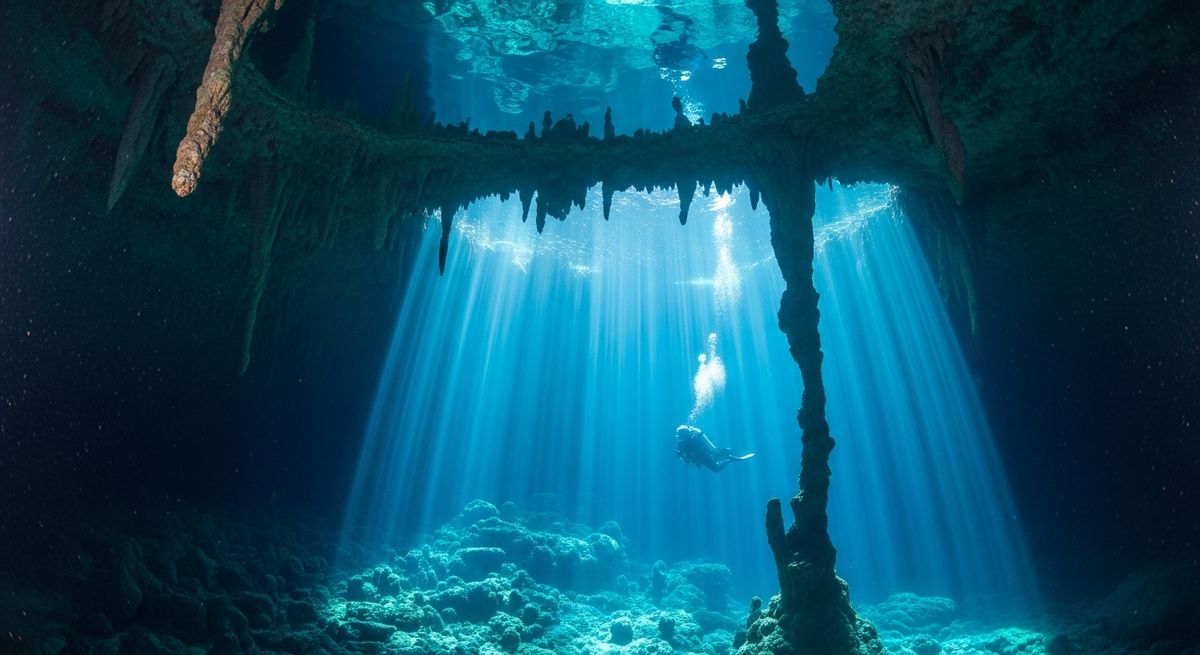
With 217+ marine species recorded in the area - including dolphins, humpback whales, orcas, sea turtles and pufferfish - Punta Argentina offers some of Caribbean Coast's richest cave diving. Water ranges 29-31°C, warmest March, April, May.
Punta Argentina is a site we keep coming back to, and it’s easy to see why it’s a favourite among the local dive operators. It's a proper pinnacle dive, meaning you can circle the whole formation, exploring overhangs and rock crevices as you go. We love the variety here; one minute you’re watching a Bandtail Frogfish blend into a sponge, the next a King Angelfish glides past, its colours popping against the blue. The real draw, though, is the promise of sharks. We’ve often found five to ten white-tip reef sharks snoozing in a pile on the sand bottom, a wonderfully peaceful sight. Look closely in the rocks for the smaller stuff – Barnacle Blennies poking their heads out, or the Granular Frog Shell, a real treat for macro enthusiasts. Keep an eye out for big schools of snapper and grunts, sometimes so dense they dim the light. Depths here max out around 19 metres, so it’s a comfortable dive for most experience levels. Visibility averages about 11 metres, which is decent enough for spotting both the resting sharks and the smaller, more elusive creatures.
Safety Notes
Overhead environment - never enter without proper cave/cavern training, redundant equipment, and a guideline.
Nearest Dive Centres to Punta Argentina
Dive shops near Punta Argentina
TikiHut Watersports Coco (located near Bosque del Mar hotel in playa Hermosa)
Rockdivers Pick up
Summer Salt Dive Center
Summer Salt
Deep Blue Diving
Rich Coast Diving
Reviews for Punta Argentina
Conditions
Ocean conditions, forecast and tides for Punta Argentina
Punta Argentina Ocean Conditions
Monthly averages for Punta Argentina, sourced from Open-Meteo marine data + Copernicus Marine (EU) - nearest station: Open-Meteo marine grid (9.78, -84.89) (48km away)
October Averages
Sea Temperature
29°C
85°F · Range: 27.9–31.1°C
Current Speed
5 cm/s
Direction: N (0°)
Chlorophyll-a
0.142 mg/m³
Clear water
Salinity
28.81 PSU
Based on 4 years of monitoring data · Data sources: Open-Meteo marine data + Copernicus Marine (EU)
Plan & book
Ways to dive Caribbean Coast, from day trips to liveaboards.
Day trips & courses
via GetYourGuideGuided dives, courses and snorkel trips with instant booking.
Find dive trips in Caribbean CoastPlaces to stay
via Booking.comHotels and dive resorts near Caribbean Coast.
Search stays in Caribbean CoastDive insurance
Most travel insurance excludes or limits scuba. Check what you need before you go.
Dive insurance explainedPartner links: we may earn a commission if you book, at no extra cost to you. How we make money
Where to Stay near Punta Argentina
Prices from Booking.com. We may earn a commission at no extra cost to you.