Roca Sucia, Dirty Rock
Protected Area
Marino las Baulas de Guanacaste
Why dive here
With 217+ marine species recorded in the area - including dolphins, humpback whales, orcas, sea turtles and pufferfish - Roca Sucia, Dirty Rock offers some of Caribbean Coast's richest reef diving. Water ranges 29-31°C, warmest March, April, May.
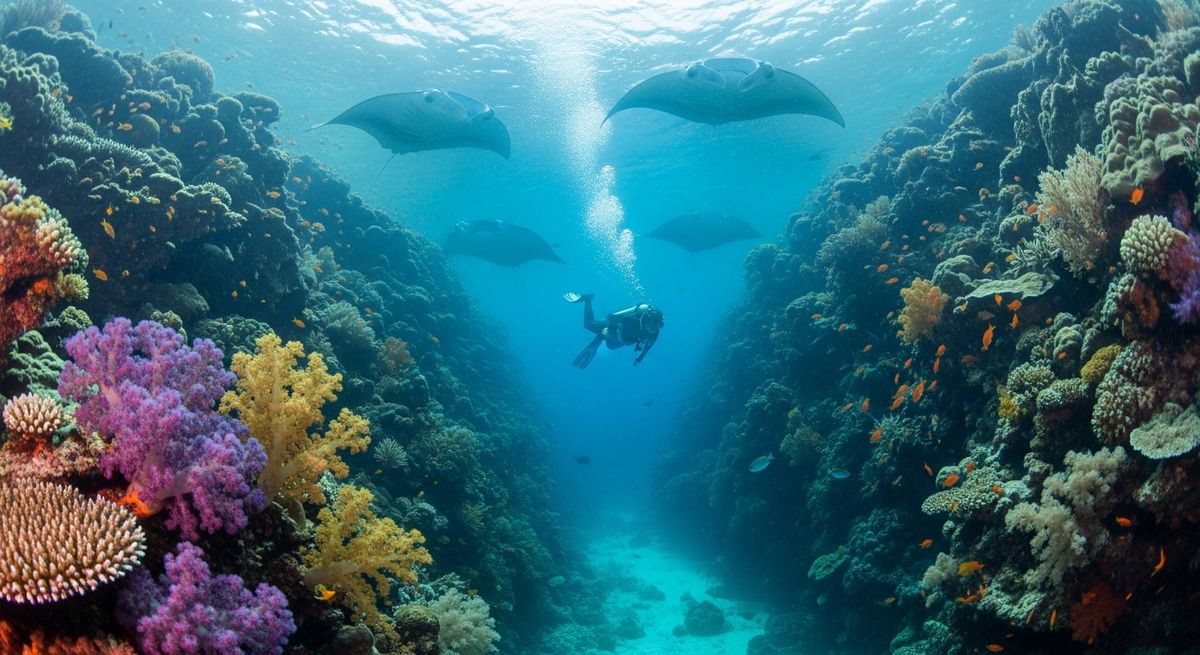
Roca Sucia, or Dirty Rock, is one of those places that, despite its name, really delivers. We love the way this pinnacle rises from the seabed, creating a real magnet for fish. Drop in, and you’re immediately surrounded, particularly on the east side where the barber fish and king angels become your eager escorts – a genuinely fun experience as they zip around you, almost like they're posing for photos. Visibility here averages around 10 meters, so it’s not always gin-clear, but that’s part of its charm. It lends a slightly dramatic, atmospheric feel to the rock formations. We’ve had some fantastic encounters with schools of pompano flashing silver in the distance and spotted sneaky needle-tooth morays tucked into crevices. Keep an eye out for the smaller stuff too; the blennies and gobies are everywhere if you take a moment to look. Currents can be strong, especially deeper, so this site is definitely best for more experienced divers who are comfortable moving with a bit of push. It's a dive that rewards attentive eyes and a willingness to explore the nooks and crannies of a truly active rock reef.
Nearest Dive Centres to Roca Sucia, Dirty Rock
Dive shops near Roca Sucia, Dirty Rock
Tienda de Buceo
ChrisDiving, Dive Center Costa Rica
Summer Salt Dive Center
Rich Coast Diving
Summer Salt
Deep Blue Driving
Reviews for Roca Sucia, Dirty Rock
Conditions
Ocean conditions, forecast and tides for Roca Sucia, Dirty Rock
Roca Sucia, Dirty Rock Ocean Conditions
Monthly averages for Roca Sucia, Dirty Rock, sourced from Open-Meteo marine data + Copernicus Marine (EU) - nearest station: Open-Meteo marine grid (9.78, -84.89) (48km away)
October Averages
Sea Temperature
29°C
85°F · Range: 27.9–31.1°C
Current Speed
5 cm/s
Direction: N (0°)
Chlorophyll-a
0.142 mg/m³
Clear water
Salinity
28.81 PSU
Based on 4 years of monitoring data · Data sources: Open-Meteo marine data + Copernicus Marine (EU)
Plan & book
Ways to dive Caribbean Coast, from day trips to liveaboards.
Day trips & courses
via GetYourGuideGuided dives, courses and snorkel trips with instant booking.
Find dive trips in Caribbean CoastPlaces to stay
via Booking.comHotels and dive resorts near Caribbean Coast.
Search stays in Caribbean CoastDive insurance
Most travel insurance excludes or limits scuba. Check what you need before you go.
Dive insurance explainedPartner links: we may earn a commission if you book, at no extra cost to you. How we make money
Where to Stay near Roca Sucia, Dirty Rock
Prices from Booking.com. We may earn a commission at no extra cost to you.