Diving in Lake Atitlan
Why dive here
Lake Atitlan is a diving destination where divers can encounter humpback whales and sea turtles. Water sits around 28°C.
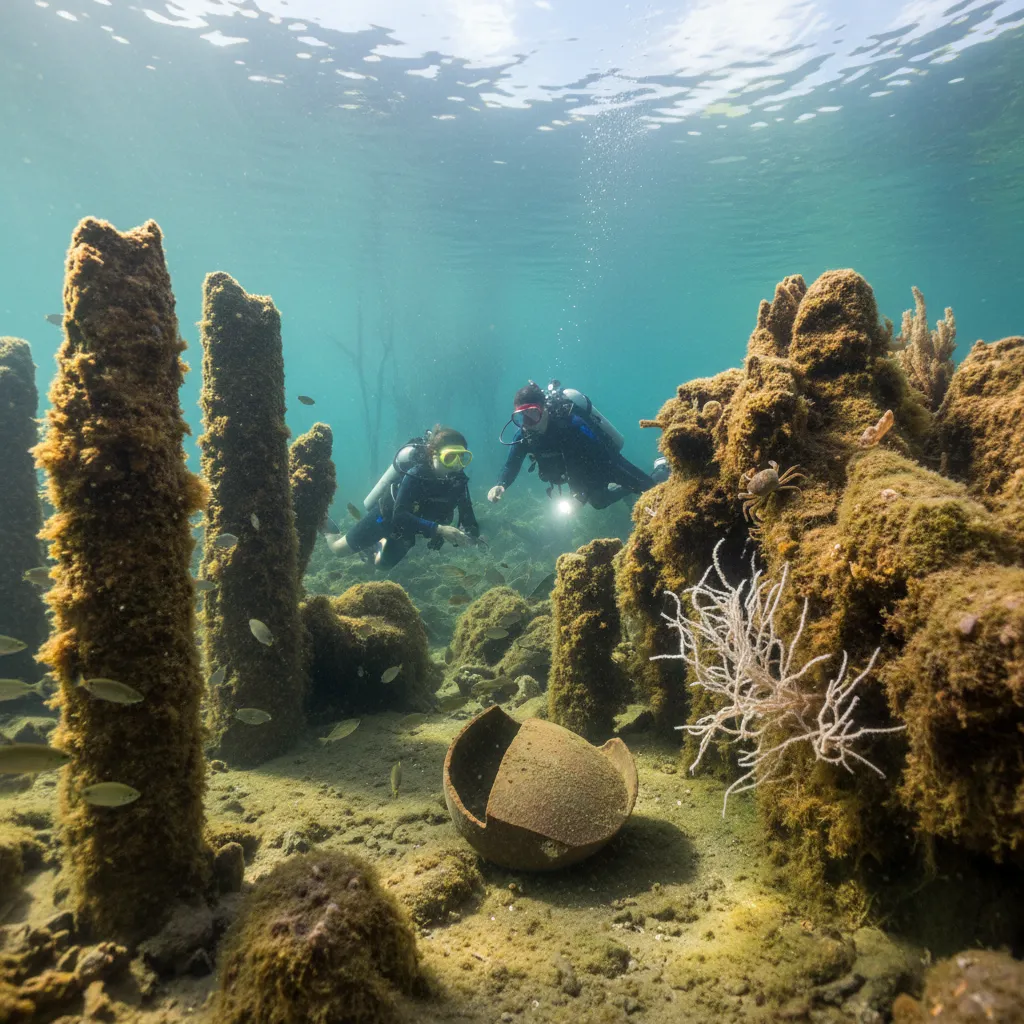
Diving Lake Atitlan isn’t your typical Caribbean escape. This is high-altitude, cold-water diving with a serious dose of history and some truly unique geology. We love it because it’s so different, a proper adventure rather than a gentle drift. Think submerged Mayan ruins, volcanic hot vents bubbling up from the lakebed, and fascinating rock formations sculpted by ancient eruptions. Visibility here can swing wildly depending on recent rains, but on a good day, you’ll get 15 meters, sometimes more. Our favourite dives often involve exploring the ‘Lost City’ of Samabaj, a legitimate archaeological site now underwater, where you can fin past stone structures and imagine life centuries ago. It’s eerie, peaceful, and totally captivating. We'd suggest a 7mm suit, maybe even a drysuit if you’re prone to the cold, as the thermoclines are noticeable and the water rarely climbs above 22°C. Keep an eye out for the endemic fish species, like the Atitlan mojarra, darting amongst the submerged trees. It’s not about big pelagics here; it's about the unusual, the quiet exploration, and the feeling of diving somewhere truly off the beaten path.
Lake Atitlan Dive Site Map
Dive sites and dive centres in Lake Atitlan
Lake Atitlan Dive Sites
8 dive sites in Lake Atitlan
Agua Caliente
Agua Caliente is one of those dives that sticks with you not for big pelagics, but for its sheer oddity. It’s essentially an underwater hot spring vent, pumping out warm water from the lakebed. We typically descend to about 10-12 metres and feel the temperature shift dramatically. You’ll spot the ubiquitous Mozambique mouth-breeder, often hovering right in the warmer currents. Visibility hovers around 4 metres on a good day, so it’s a close-up encounter, a place for divers who appreciate the quirky side of underwater exploration rather than wide-open vistas.
Agua Caliente
Agua Caliente is one of those dives that sticks with you not for big pelagics, but for its sheer oddity. It’s essentially an underwater hot spring vent, pumping out warm water from the lakebed. We typically descend to about 10-12 metres and feel the temperature shift dramatically. You’ll spot the ubiquitous Mozambique mouth-breeder, often hovering right in the warmer currents. Visibility hovers around 4 metres on a good day, so it’s a close-up encounter, a place for divers who appreciate the quirky side of underwater exploration rather than wide-open vistas.
Casa del Mundo
Diving Casa del Mundo in Lake Atitlan is definitely a unique experience, more about the novelty than a riot of marine life. We usually boat out to this spot, dropping into the cool, freshwater. The main draw here is the volcanic activity; push your hand into the sandy bottom around 10-12 meters and you’ll feel the warmth from the earth itself. Visibility averages around 4 meters, so it’s an intimate dive, perfect for divers looking for something a bit different, rather than a coral spectacle. You might spot a few Mozambique mouth-breeders darting amongst the submerged rock formations, but really, it’s all about feeling that geothermal heat.
DON ADAN
Don Adan isn’t your typical Caribbean wreck dive. Forget warm, blue water and colourful corals. This is Lake Atitlan, a high-altitude volcanic lake, and diving here is a different beast entirely. We love Don Adan because it’s a tangible piece of local history, sitting in a freshwater environment that feels incredibly unique. The wreck itself, a fishing vessel sunk back in ’89, is surprisingly intact for its age and the fresh water has preserved it well. When you drop down, the visibility varies – sometimes it’s 10 metres, sometimes less – but the water temperature hovers around a crisp 20°C. You’ll find the hull is covered in a fine layer of algae, giving it a slightly ghostly appearance. Our favourite part is exploring the deck, where fishing gear still lies scattered, and peeking into the wheelhouse. Keep an eye out for the freshwater crabs that scuttle across the metal and the small schools of *mojarra* that dart in and out of the shadows. This is a dive for those who appreciate history, a bit of mystery, and don’t mind a cooler, darker experience. It’s perfect for divers looking for something truly off the beaten path, away from the usual ocean sites.
JUPITER A.
Jupiter A. is weird, and we love it for that. Picture this: you're diving in a freshwater lake, high in the Guatemalan mountains, and you stumble upon a shipwreck. It's not the Caribbean, but that's precisely its charm. This old motor vessel, sunk back in '83 after engine trouble, now rests in just two metres of water, right near Punta Remedios. Our favourite time to visit is early morning, before the winds pick up and stir the surface; the light streaming down then is just something else. You'll spend your dive exploring the remains of the hull, which is now a fantastic anchor for all sorts of freshwater growth. Think long, wavy strands of algae swaying with any minor current, creating these cool, abstract patterns against the ship’s dark silhouette. We've seen freshwater crabs scuttling across the metal, and tiny, translucent shrimp darting into crevices. It's a shallow, easy dive, perfect for photographers looking for something truly unique, or anyone who fancies a genuinely offbeat wreck experience. No big pelagics here, obviously, but the quiet solitude and the sheer novelty of it make Jupiter A. a standout.
ORIENTAL ARGOSY
Forget everything you think you know about wreck diving. The Oriental Argosy isn't some deep-sea ghost. It’s a shipwreck in Lake Atitlan, a freshwater lake high in the Guatemalan mountains. This isn't about pelagics or vibrant corals. This is about history, about a vast vessel that somehow ended up in a lake, and the unique world it’s created. We love the sheer oddity of it. Imagine, a 159-meter steamship, built in Japan in 1957, now lying at a maximum depth of 5 meters. You can literally snorkel over the whole thing. Our favourite part is how the local freshwater ecosystem has embraced it. We’ve seen small schools of fish darting in and out of the superstructure, and the hull is covered in a fine layer of algae, giving it an otherworldly green glow in the filtered lake light. For a unique perspective, we’d suggest going early in the morning. The lake is often calmer then, and the light penetrates better through the surface. Don't expect crystal-clear ocean visibility; it’s a lake, after all. But that slight murkiness actually adds to the atmosphere, making the wreck feel even more mysterious. It’s perfect for photographers looking for something truly different, or anyone who appreciates a story with their dive. It’s not a challenging dive, just an unusual one, and that’s precisely why we rate it so highly.
Samabaj
Diving Samabaj is less about big fish and more about history. Below 15 meters, an ancient Mayan ceremonial site sits preserved in the cool, dark freshwater, offering a unique archaeological dive. It's an advanced dive, best suited for those comfortable with deeper freshwater conditions and low visibility, keen to explore submerged ruins rather than vibrant reefs. Look out for the resident Mozambique mouth-breeder, though your focus will likely be on the stone structures.
San Buenaventura
San Buenaventura offers a different kind of dive, exploring the volcanic rock formations that shape Lake Atitlan's bed. Depths run from 5 to 20 metres, making it a good intermediate site. You'll likely spot Mozambique mouth-breeders darting among the rocks. It’s a unique freshwater experience for those looking beyond the ocean.
Lake Atitlan Dive Centres
3 dive shops and operators in Lake Atitlan
Ocean Wildlife in Lake Atitlan
2 species recorded in Lake Atitlan
Lake Atitlan Daylight & Sunrise/Sunset
Sunrise and sunset times for Lake Atitlan, calculated from coordinates
Today - Sunday 11 October
Sunrise
05:56
Sunset
17:49
Daylight
11h 53m
Golden Hour
17:20
First light (dawn) at 05:34 · Last light (dusk) at 18:10
Monthly Averages
| Month | Sunrise | Sunset | Daylight |
|---|---|---|---|
| Jan | 06:33 | 17:55 | 11h 21m |
| Feb | 06:30 | 18:10 | 11h 40m |
| Mar | 06:14 | 18:15 | 12h 2m |
| Apr | 05:52 | 18:19 | 12h 27m |
| May | 05:38 | 18:25 | 12h 47m |
| JunLongest | 05:36 | 18:35 | 12h 58m |
| Jul | 05:44 | 18:38 | 12h 54m |
| Aug | 05:51 | 18:29 | 12h 37m |
| Sep | 05:54 | 18:08 | 12h 14m |
| OctNow | 05:56 | 17:46 | 11h 50m |
| Nov | 06:06 | 17:34 | 11h 28m |
| DecShortest | 06:22 | 17:38 | 11h 17m |
Times are approximate local times based on longitude. Actual times may vary slightly depending on the exact timezone observed in Lake Atitlan.
Where to Stay near Lake Atitlan
Prices from Booking.com. We may earn a commission at no extra cost to you.
Marine Protected Areas near Lake Atitlan
2 protected areas near Lake Atitlan - please respect local regulations when diving
Hawaii
Zona de Reserva Para protección especial de la fauna, flora y en general del ecosistema natural y biotopo en el área (MONTERRICO)
Getting to Lake Atitlan
Puerto San José
Guatemala City
San Salvador (San Luis Talpa)
Plan & book
Ways to dive Lake Atitlan, from day trips to liveaboards.
Day trips & courses
via GetYourGuideGuided dives, courses and snorkel trips with instant booking.
Find dive trips in Lake AtitlanPlaces to stay
via Booking.comHotels and dive resorts near Lake Atitlan.
Search stays in Lake AtitlanDive insurance
Most travel insurance excludes or limits scuba. Check what you need before you go.
Dive insurance explainedPartner links: we may earn a commission if you book, at no extra cost to you. How we make money