Diving in Honduras
Why dive here
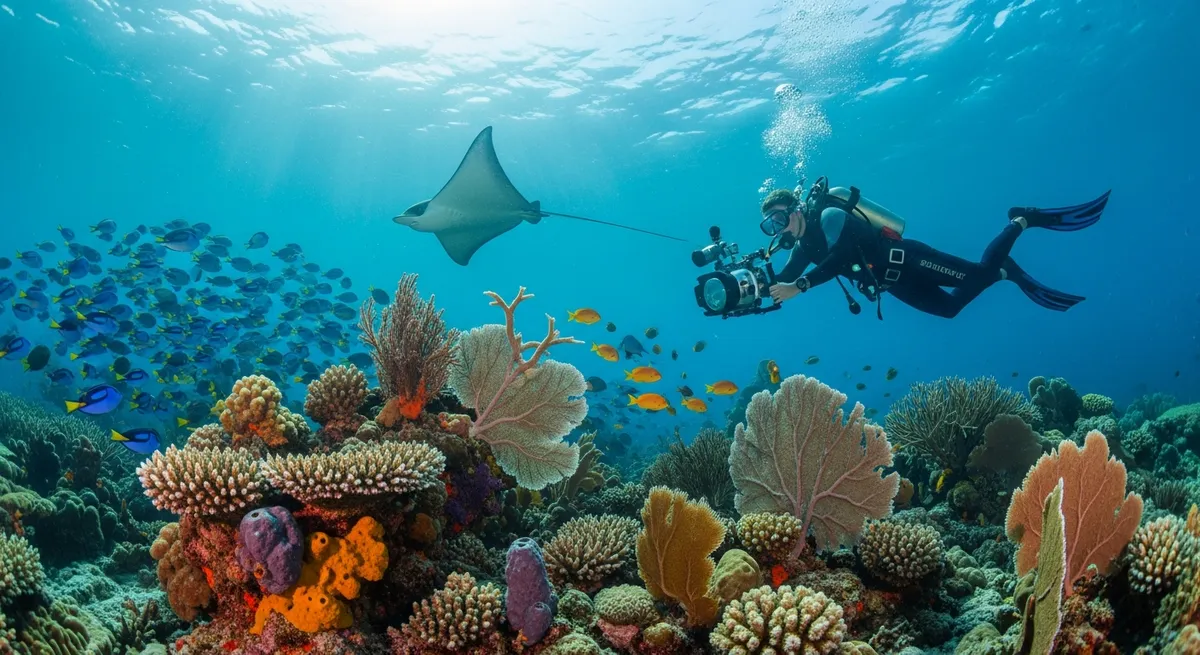
Honduras offers rich diving, with 295+ marine species recorded in its waters - including barracuda, dolphins, eagle rays, nurse sharks and orcas. Water ranges 27-30°C, warmest August, September, October.
Honduras. Not just the Bay Islands, though we’ll get to them. We’re talking about the Mesoamerican Barrier Reef, one of the biggest living things on the planet, and Honduras has a prime chunk of it. Think drift dives over walls covered in gorgonians, spotting juvenile drum fish dancing in crevices, or maybe a quick glance at a passing eagle ray. Roatán gives you those classic Caribbean reef dives and access to walls, generally calm and a great place to warm up your fins. But if you’re looking for a bit more adventure, Utila is where many divers head for the chance of encountering whale sharks, especially in the spring and late summer. For something a little quieter, Guanaja still feels untouched, with healthy coral and fewer boats. We’d suggest hitting it between February and September for the best conditions across the islands.
Honduras Dive Regions Map
Honduras Dive Regions
5 diving areas in Honduras
Cayos Cochinos
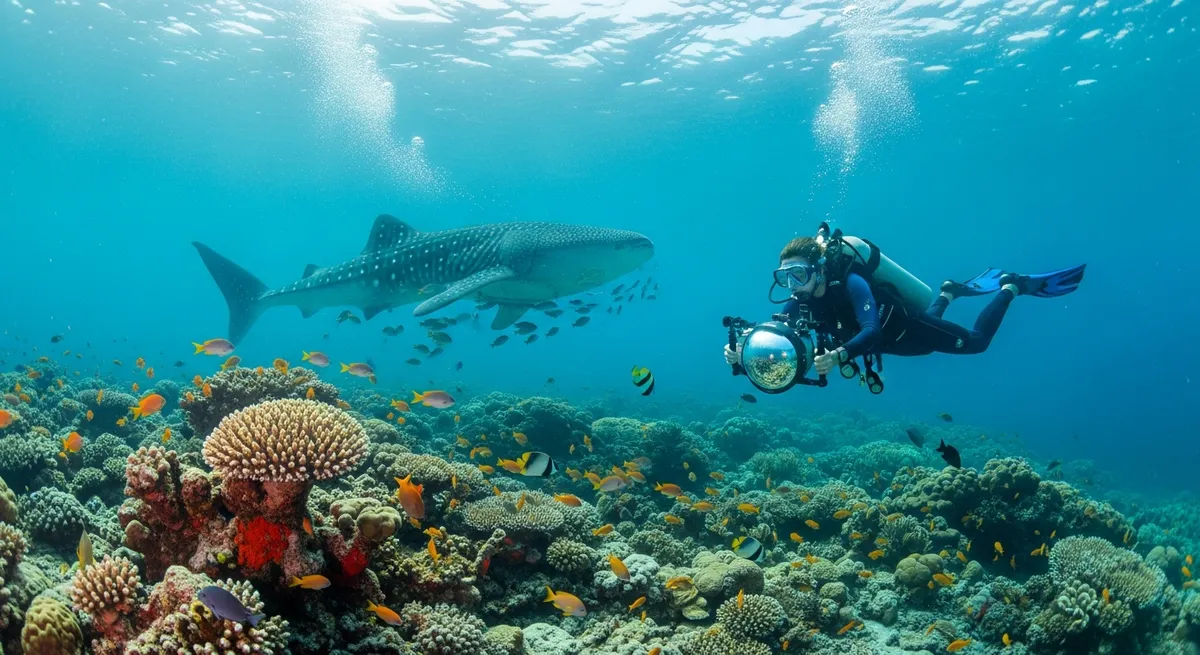
A marine biological reserve with pristine shallow reefs, nurse sharks, and limited development. Community-managed conservation ensures healthy ecosystems.
Guanaja
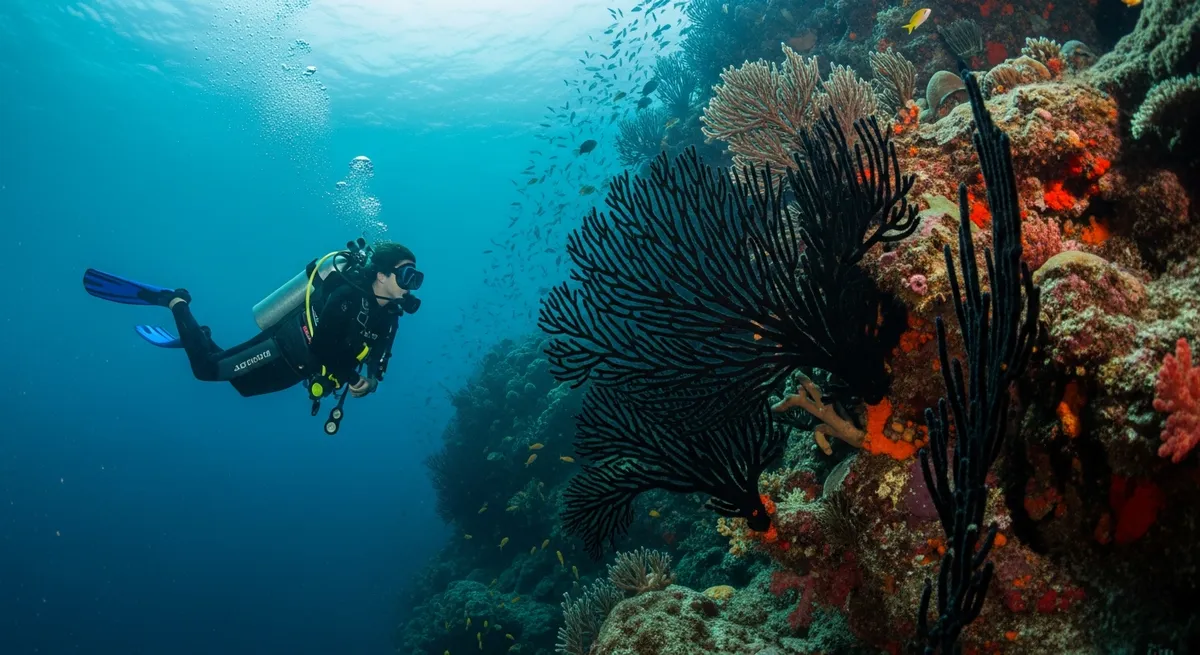
The least developed Bay Island with pristine, uncrowded diving and dramatic walls.
Roatán
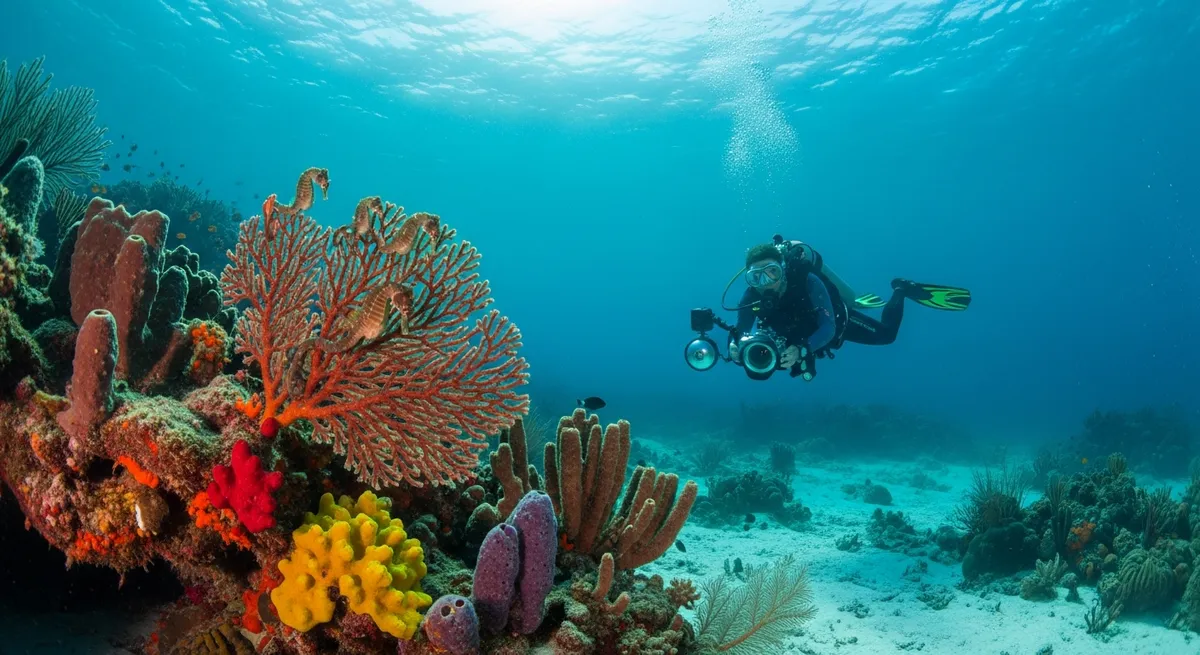
Roatán’s a special place, one we often find ourselves recommending for those looking for solid, affordable wall diving. It’s the kind of place where you can roll out of bed, grab a coffee, and be on a boat heading to a fantastic site within minutes. We love the sheer variety here, from gentle drift dives along the extensive Mesoamerican Barrier Reef to exhilarating drops over dramatic walls that plunge into the deep. You’re not just seeing the big stuff, though loggerheads do make an appearance. Keep an eye out for the smaller inhabitants like the White-eye Goby peeking from its hole, or the Atlantic Lookdown shimmering in the blue. The walls are often draped in sponges and soft corals, creating vibrant tapestries that shift with the surge. Our favourite dives often happen early morning when the light plays through the water just right, illuminating schools of Big-eye Anchovies. Current can pick up on some sites, so it’s worth checking conditions with your dive shop, but generally, it’s a calm affair, making it pretty accessible for most divers. If you’re a fan of exploring crevices, you’ll find plenty of spots for Yellow roughneck shrimp and Robertson's Blennies.
Tela & North Coast
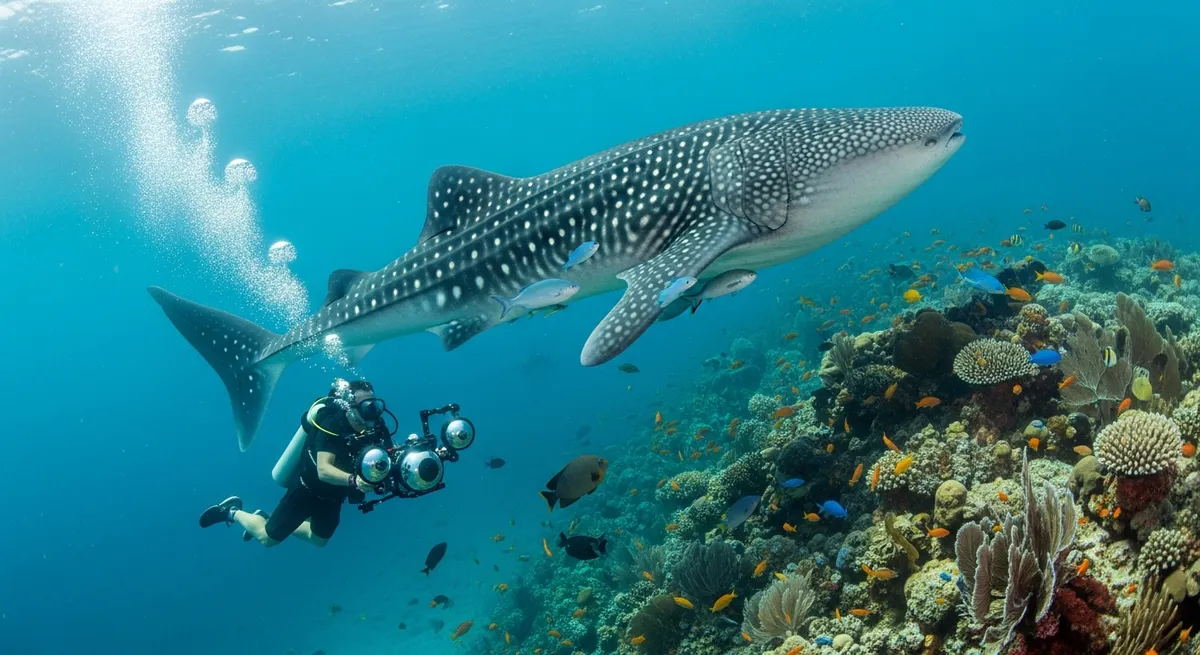
Mainland Caribbean diving with the Lancetilla Botanical Reserve nearby. Reef diving, whale shark sightings, and the Garifuna cultural experience.
Utila
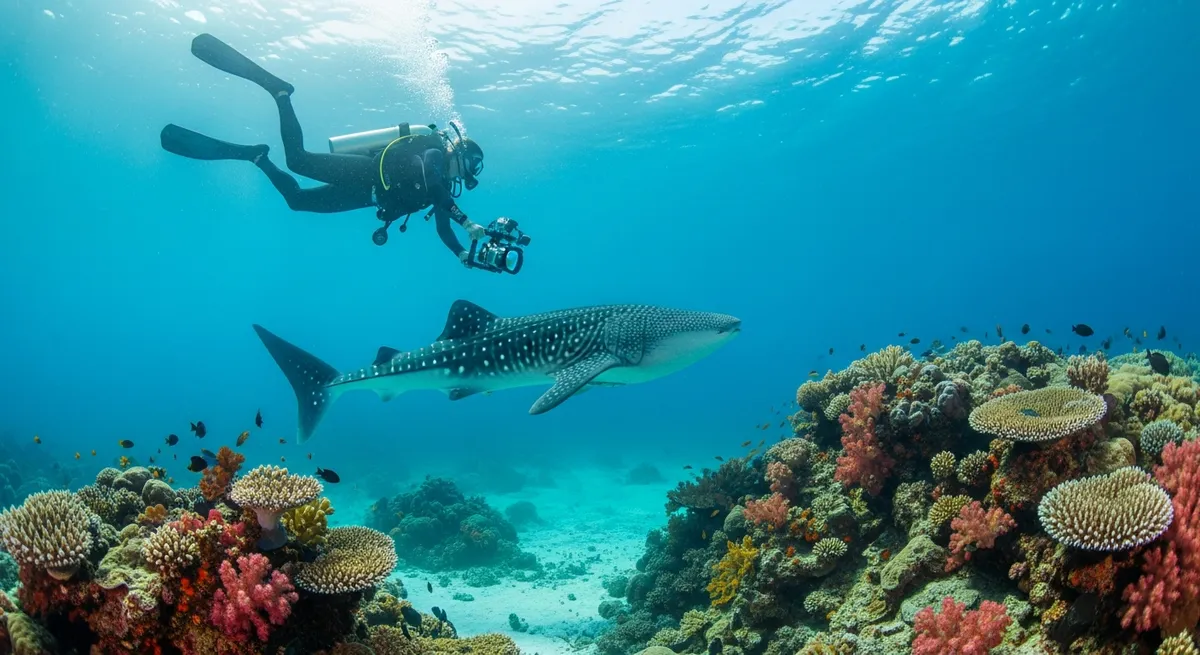
Utila, ah, Utila. We’ve spent more than a few weeks here, and it really is a place that gets under your skin. Sure, everyone knows it for the whale sharks, and yes, you stand a great chance of seeing them from March to May and again August to October. But the actual reef diving? That’s what keeps us coming back. Drop onto a site like Black Hills and you’re immediately enveloped by schools of snapper, so dense they shimmer like a curtain. We particularly love the feel of drifting along a wall, spotting a mimic blenny peeking out from a crevice, or tracing the delicate branches of a yellow pencil coral. The boulder brain coral formations are just immense, ancient structures that feel like underwater cities. On a good day, the visibility stretches out to 30 metres, giving you this expansive view of the reef's topography. For something a bit different, check out a cenote dive, which is pretty unique for the Caribbean. Conditions are generally calm, making it a good spot for all levels, though some of the deeper walls will test your buoyancy. Our insider tip? Dive early. The morning light filtering through the water is magical, and you’ll often have the best sites to yourselves before the crowds arrive. It's not the wildest diving in Central America, but it’s consistently enjoyable, easy to access, and delivers on its promise of big fish encounters.
Ocean Wildlife in Honduras
295 species recorded in Honduras
Honduras Visa Requirements
Check if you need a visa to dive in Honduras
Plan & book
Ways to dive Honduras, from day trips to liveaboards.
Day trips & courses
via GetYourGuideGuided dives, courses and snorkel trips with instant booking.
Find dive trips in HondurasPlaces to stay
via Booking.comHotels and dive resorts near Honduras.
Search stays in HondurasDive insurance
Most travel insurance excludes or limits scuba. Check what you need before you go.
Dive insurance explainedPartner links: we may earn a commission if you book, at no extra cost to you. How we make money