ATLANTIC FREEZE
Protected Area
Sistema de Humedales de la Bahía de Bluefields
Why dive here
With 207+ marine species recorded in the area - including barracuda, lemon sharks, seahorses, sea turtles and sperm whales - ATLANTIC FREEZE offers some of Corn Islands's richest wreck diving. Water ranges 27-30°C, warmest May, September, October.
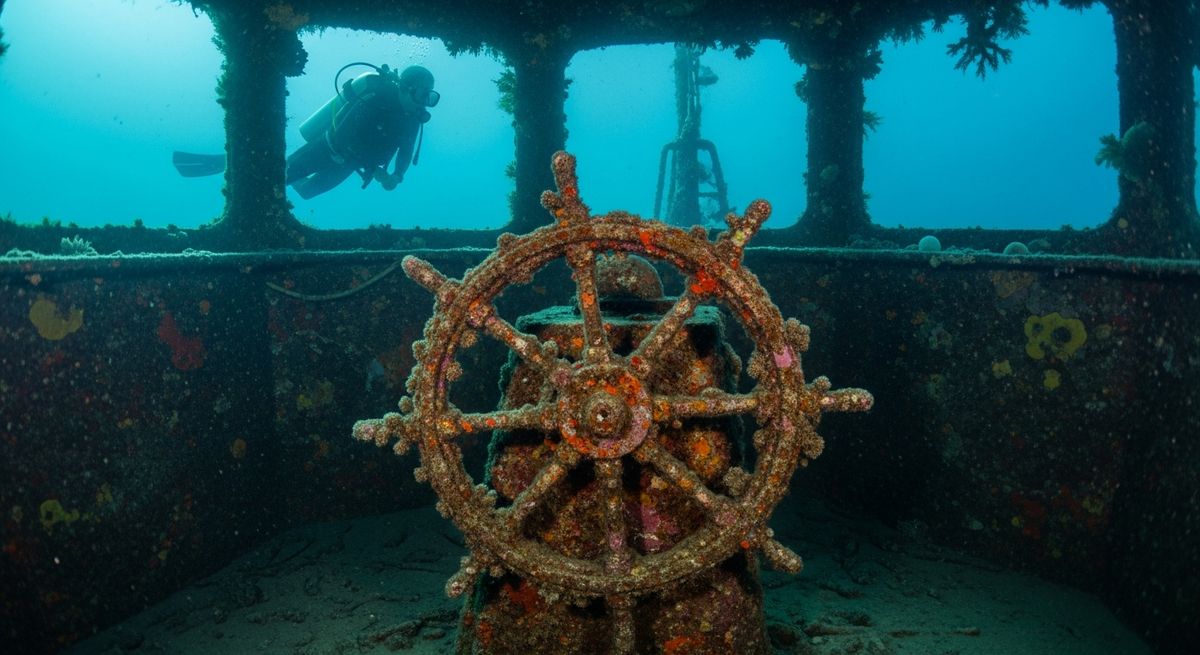
The Atlantic Freeze, an old carrier blown onto the shore by Hurricane Joan back in '88, isn't your typical deep wreck dive. Instead, it’s a fascinating, if slightly eerie, shallow exploration right off the beach. We love how accessible it is; you can literally wade out to it. What makes it special for us is the way the ship’s skeleton, particularly the bow, has been completely taken over by the sea. You’ll find a huge amount of schooling fish here, darting through the rusted metal. The light plays beautifully off the hull in the afternoons, especially when the water is calm. Look closely, and you’ll spot nurse sharks tucked into crevices, their tails occasionally flicking out. Our favorite part is the stern section, which breaks the surface at low tide; it’s a stark reminder of the hurricane's power. It’s a great spot for photographers and newer divers who want the wreck experience without the depth. Just be mindful of surge on choppier days, as it can push you around a bit.
Safety Notes
Wreck site - avoid penetration without wreck diving certification. Watch for sharp metal and entanglement hazards.
ATLANTIC FREEZE Wreck History
Year Sunk
1988
Vessel Type
cargo ship
Cause
storm
The rusting skeleton of the ATLANTIC FREEZE is a dramatic landmark on Nicaragua's Corn Islands, a testament to the raw power of nature. This refrigerated cargo ship, which began its life in 1958 as the WALDTRAUD HORN, met its violent end in October 1988. It was torn from its moorings and hurled ashore by the sheer force of Hurricane Joan, one of the most intense Atlantic hurricanes of the late 20th century.
Lying with its hull partially submerged and broken on the shoreline, the ATLANTIC FREEZE is not a traditional scuba dive but an incredible site for snorkelers, freedivers, and photographers. With a depth listed as 0 meters, it is completely accessible from the shore. The submerged sections have created a shallow, protected artificial reef teeming with juvenile fish and coral growth. Exploring the ghostly, skeletal remains of this once-sturdy ship against the backdrop of the Caribbean Sea is an unforgettable experience.
Reviews for ATLANTIC FREEZE
Conditions
Ocean conditions, forecast and tides for ATLANTIC FREEZE
ATLANTIC FREEZE Ocean Conditions
Monthly averages for ATLANTIC FREEZE, sourced from Open-Meteo marine data - nearest station: Open-Meteo marine grid (12.42, -83.29) (5km away)
October Averages
Sea Temperature
30°C
86°F · Range: 28.8–31.8°C
Air Temperature
28°C
82°F
Wind Speed
6.13 m/s
11.9 knots
Atmospheric Pressure
1010.4 hPa
Based on 4 years of monitoring data · Data sources: Open-Meteo marine data
Plan & book
Ways to dive Corn Islands, from day trips to liveaboards.
Day trips & courses
via GetYourGuideGuided dives, courses and snorkel trips with instant booking.
Find dive trips in Corn IslandsPlaces to stay
via Booking.comHotels and dive resorts near Corn Islands.
Search stays in Corn IslandsDive insurance
Most travel insurance excludes or limits scuba. Check what you need before you go.
Dive insurance explainedPartner links: we may earn a commission if you book, at no extra cost to you. How we make money
Where to Stay near ATLANTIC FREEZE
Prices from Booking.com. We may earn a commission at no extra cost to you.